70 years ago an atomic bomb killed millions of people in Hiroshima, and that tragedy's anniversary recently passed. Japanese prime minister Shizou Abe (who attended the ceremony) and the mayor of Hiroshima resolved not to have nuclear weapons and to work together to abolish them from the world.
According to The Wall Street Journal, Representatives from about 100 countries attended as well including U.S. Ambassador to Japan Caroline Kennedy and Rose Gottemoeller, the U.S. State Department’s undersecretary for arms control and international security. Ms. Gottemoeller is the first high-ranking government official from Washington, other than the local ambassador, to attend this annual ceremony.
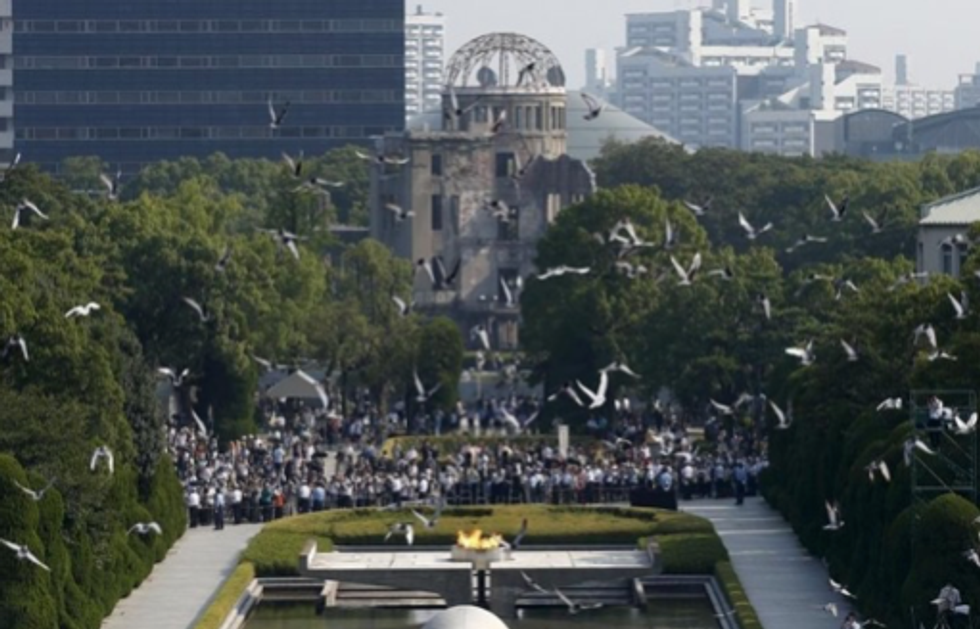
This ceremony was attended by about 55,000 people, according to Hiroshima and they held a moment of silence at 8:15 am.
(photo credit: time.com)
At 8:15 am on Aug 6 many people were working or spending time with their family in that early morning as usual. All of a sudden, the atomic bomb was dropped from blue sky with horrible sound and it dyed the ground in red.
“It was just like hell that I saw a lot of dead and burned bodies lied and I had to walk through those dead people“, a woman who experienced that dreadful day. She emotionally talked to the younger generation who doesn’t know that day, in order to tell them how horrible her experience was and give them a strong message of “No more war in the future“.
70 years has passed, and this is still what we must do so Japan will remember it forever. However, Japan is having some problems of remembering the nuclear attack on Hiroshima.
The people who experienced the atomic bomb attack to Hiroshima are decreasing in number.
Japanese society has been through an aging society these days and the average age of population of people who have experienced the tragedy in Hiroshima is 80. This means the number of people who know how terrible it was and can tell the younger generation what happened on that day, is decreasing.
In fact, the percentage of young people who remember when the nuclear bomb was dropped to Hiroshima has decreased year by year. Hiroshima Prefecture is anxious that people will forget what happened to them in the future because there will be no one to tell about the nuclear attack at least 30 years from now.
Many people endeavor to try to inform the younger generation about what they have been through and how they struggled with survival that day by having seminars or speeches, especially in schools, so the attack will not be forgotten.
Unfortunately, the main demographic making this much effort to tell younger people is those who are over 80 years old. “We have to think of how we could pass this history to the next generation. They can learn from textbooks about it, but they will never know what people felt or thought of nuclear weapons.“
Maybe you can get to know by reading in textbooks that the atomic bomb ruined everything of Hiroshima, and it should not be repeated. However, what you cannot learn from textbook is true survivor experiences.
A 32-year-old high school teacher hopes to teach just that, by putting a survivor's experience in language that is easily digestible for, and relatable to, her peers and people as young as her students. "Even if we hear the same story, the way each of us retell it will be different, because we all have different sensibilities," she said. To notice what people felt or thought is a very important thing for people to remember.
How can it be told to next generation?
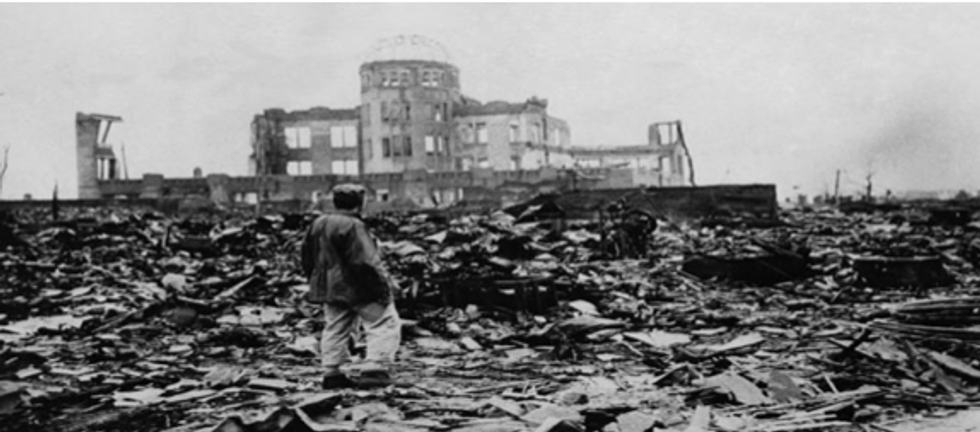
(photo credit: photozou.jp)
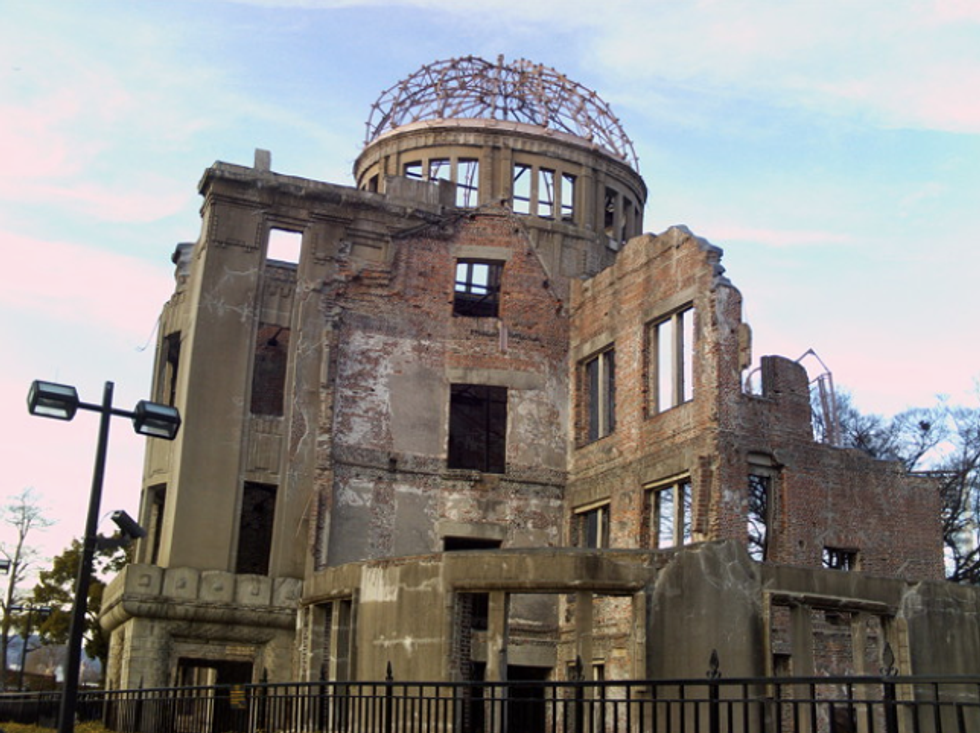
Atomic Bomb Dome, which was destroyed by the atomic bomb during WW2, is registered to the list of World Heritage Sites by UNESCO as the memorial building. “This dome is a witness and victim of nuclear war. Japan is only country which is victim of nuclear arm. It must not be forgotten and having this dome helps everyone to remember what was happened by nuclear weapon“, said a citizen of Hiroshima.
This building tells a lot because it was preserved and maintained as it was. However, there is another storyteller: atomic-bombed victims or survivors. They have held seminars and speeches periodically in order to tell younger generations. But it becoming increasingly difficult to continue these kind of events. "It's been 70 years since the bombings, and we survivors are getting old. Time is limited and we must hurry," said a woman, the 83-year-old head of a national group known as the Tokyo-based Japan Confederation of A and H Bomb Sufferers' Organizations.
Taking over their effort to next generation is crucial, so that they won’t forget and will continue to educate their children about nuclear arms.
Hiroshima has marked its 70th anniversary on Aug 6 in 2015 and held an annual memorial service. It seems to be the same “routine“ but, to be honest, it’s different every year. Making a call to work together to abolish nuclear arms by the prime minister and the mayor is fundamental all over the world, and this ceremony plays such a crucial role that it reminds the world that war is a huge mistake.
As a member of this planet, I strongly hope everyone who has heard this history not to forget, so that we won’t let it happen again. Additionally, people should tell and educate younger generation properly. Human beings made huge mistakes during WW2 and it happened. We can’t change the past, so it doesn’t make sense to discuss about whose fault it was.
Instead, we should build good community that is capable of taking over what people have done and telling survivors' stories. In addition, many people should visit Hiroshima in person and share its stories with their friends and family.
I would like to show my best respect to Hiroshima, victims, survivors, and its citizens.