

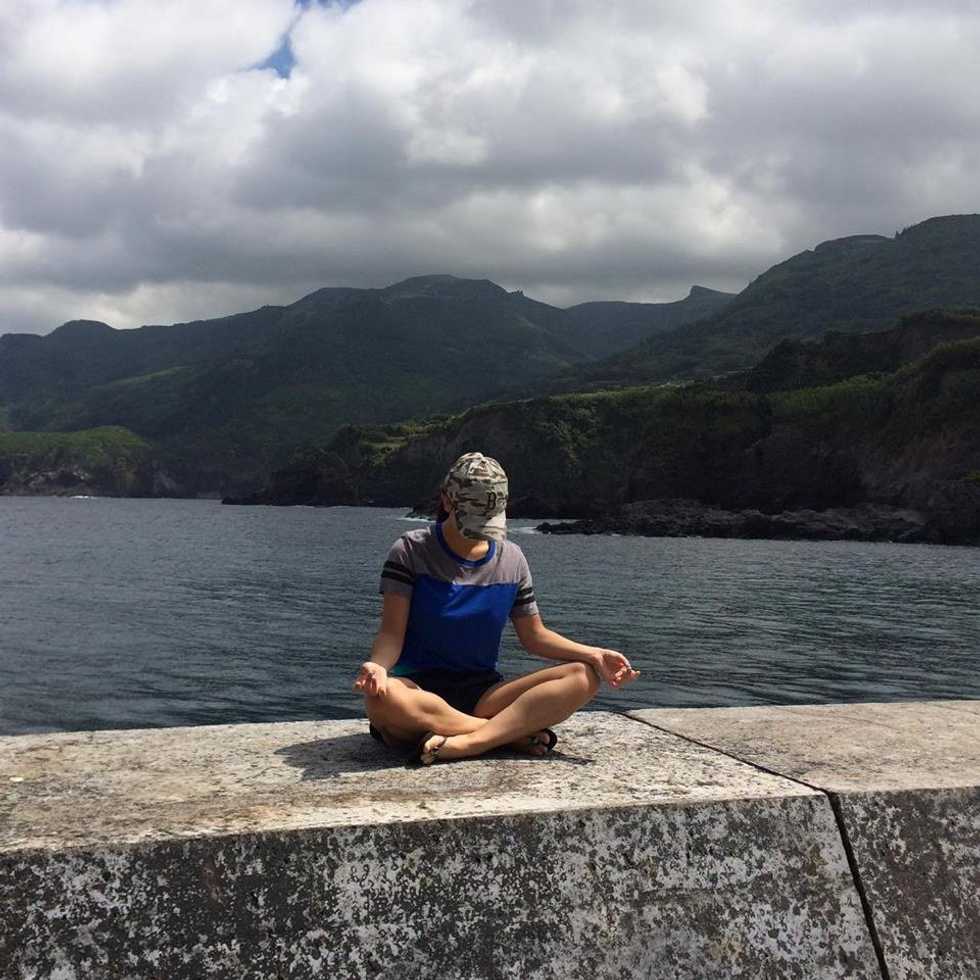
In a world where we are all plagued with the stresses of reality, it is imperative to recognize when to step back, seek refuge, and employ the cutting-edge tool of mindfulness. Mindfulness has taken precedence as one of the leading holistic remedy approaches in depression, anxiety, and all forms of mental illness and daily struggles. In a generation, where there has been an exponential increase in mental health disorders, experts have been turning towards mindfulness and the techniques that can be practiced to mitigate the physical effects of stress, depression, and anxiety.
What is mindfulness?
Mindfulness is upholding a moment-by-moment awareness of our thoughts, feelings, sensations, and neighboring environment. Often times, we may catch ourselves rushing around mindlessly from one place to the next. Mindfulness helps us regain awareness of our breath by centering ourselves and becoming consciously aware of our five senses: smell, sight, hearing, touch, and taste. This tool allows for one to become in tune and aligned with their body, mind, and soul. Additionally, the practice of mindfulness helps engage you back with the present moment and strengthens your immune system.
*With the stress that accompanies life as a college student: you might just find the following tips to be helpful in alleviating unwanted tension and anxiety*
Allot yourself 10 extra minutes before walking to class
Why 10 minutes? A majority of us find ourselves inching for more time to stay in our beds, which leaves us with only five minutes to sprint to class. By avoiding this morning rush, waking up earlier will allow you to nourish your mind, body, and soul with the gift of mindfulness. As you walk to class, some things to think about are “what does it feel like to have my feet touch the ground? How does the breeze feel on the back of my neck hairs?” Thinking about these questions and feelings we often take for granted will bring your awareness back to the present.
Meditate or go for a stroll
For some of us we can sit in one spot for hours, and then there are us “fortunate” others who cannot stand still for a minute without being distracted by internal and external stimuli (Our iPhones being the No. 1 culprit). What is great about mindfulness is that you do not necessarily have to remain still in a meditative position. Taking a stroll outside around campus can give you space to recognize your in-the-moment feeling and thoughts. Mindfulness is analogous to meditation in the respect that distressing thoughts will seep through your mind. My advice to you is to refrain from pushing away any intrusive thoughts, but rather allow them to permeate in and out of your mind without attaching any meaning to them.
Brush your teeth extra slow
Brushing teeth is one of those mundane daily tasks we must perform at least twice a day or in some cases more. It is for this reason that it is helpful to practice the mindfulness technique to this monotonous act, and potentially even make it more exciting. While brushing your teeth, I encourage you to walk yourself through a series of steps beginning with the holding of a tube of toothpaste. Reflect on how the tube feels in your hand, (texture, length, width, etc.,) Proceed to put the toothpaste on your toothbrush. While brushing your teeth, think about what it feels like as the toothbrush glides back in forth across your teeth. As peculiar as these steps may appear, you’ll realize how easy it is to miss out on the little things and how they can affect us greatly. Make a simple act of brushing your teeth an important and sensual one
Just Breathe
There is no better way to voluntarily regulate your body and mind than the process of breathing. Taking periodic mindful breaths can bring back your awareness by saturating your mind with ease. So as Taylor Swift and Colbie Cailat perfectly sing “Just Breathe."