“On a daily basis I basically live in fear when I need to eat because I am almost always sick when I eat at restaurants. I often go without eating because it is so scary for me and sadly that is sometimes the safest option.”
This kind of reaction and fear stems from a single crumb. One-percent (an estimated 83-97-percent of this are undiagnosed) of the American population suffer from Celiac disease like Allison Woldt, a student at California State University, San Bernardino, who was diagnosed with Celiac Disease when she was 20-years-old after many trips to the hospital.
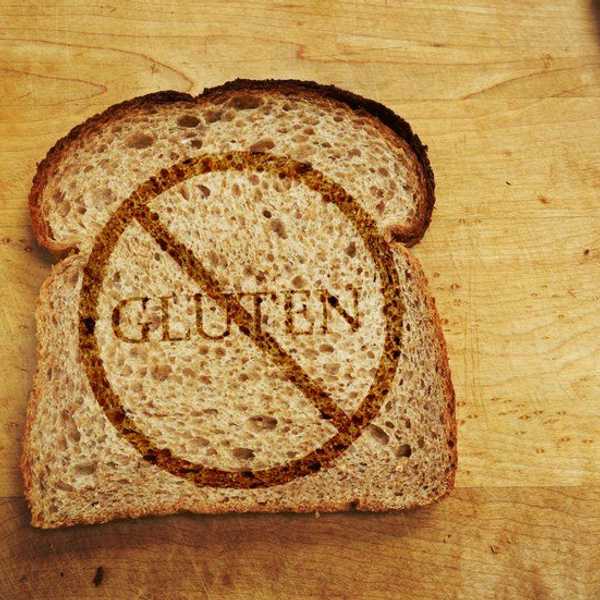
Celiac disease is a genetic autoimmune disease. When gluten is consumed, the body attacks the small intestine, damaging it and interfering with absorption of nutrients from food.
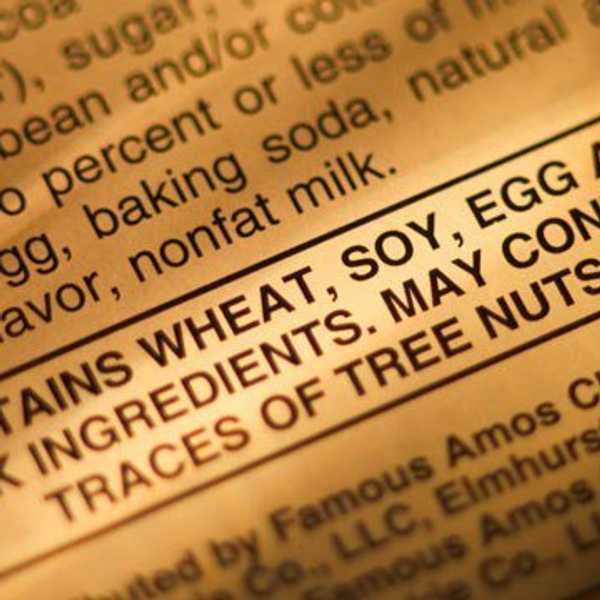
Many suffers of celiac develop a more severe reaction to it a year or two after switching to a gluten-free diet. This is where the issue of “cross-contamination” comes in. No, a sufferer does not have to eat a slice of bread to cause a reaction, but a single crumb that has fallen into their supposedly gluten-free food can trigger weeks of pain and suffering. With the rise in trend of a gluten-free diet, more options have opened for those with actual allergies, but now many chefs are more careless and unbelieving when an actual allergy sufferer orders.
“Even the slightest contamination affects me for over two-weeks and it's exhausting always trying to recover,” Woldt said. “It is a severe reaction with migraines, horrible joint pain, extreme fatigue/exhaustion and my intestines swell up to a very noticeable degree. [A reaction] causes havoc on my immune system for up to six-weeks.”
Since Celiac is an “invisible disease,” many sufferers have difficulty getting friends, family and restaurants to take them seriously. Unlike a peanut, shellfish, or other allergies that also deal with cross-contamination, those with celiac do not break out in hives or suffer anaphylactic shock. The pain is internal and many feel isolated by their condition.
As a college student, many conversations with my friends revolve around food. Each meal is a risk. Although my university has gluten-free options they do not cook in a gluten sensitive kitchen. Whenever I bring up concerns about my diet or reactions I am often left without answers or help. I have missed class because the same knife was used to spread mustard on my gluten-free bread that was used on regular bread.
I have not been invited out because my friends wanted Italian and did not want to make me feel bad. Waiters have laughed when I ask if they have gluten-free items and my body has suffered through their carelessness. I worry about affording gluten-free food when I move out of my parents house because a loaf of bread costs you $2.32, and me $8.
Members of my Facebook Celiac support group and food allergy support group I partake in shared their concerns.
"For me the implications of getting [cross contaminated] while dining out at restaurants has kept me from dining out for over a year. This has had huge implications on my social life, I hardly go out or have any friends that are dedicated enough to always coming over for dinner."
"I can't even kiss my boyfriend if he's had beer or eaten gluten containing food."
"You never know if the person handling food in the grocery store has flour on their hands… Cross contamination is so impossible and stressful."
"If cooking for an allergic person seems overwhelming, don't get offended if they refuse your food or bring their own. It's not about being polite, not a matter of trust, but a medical life and death issue, so let them eat their safe food."
Cross-contamination should not have to limit someone’s life, hopes, dreams or aspirations. Everyone can take steps to improve the safety and lives of allergy sufferers around them. Simply changing your gloves, washing a knife or putting paper on a surface in a restaurant can save someone weeks of pain. Food allergies are real and serious and it is time we start treating them as so.