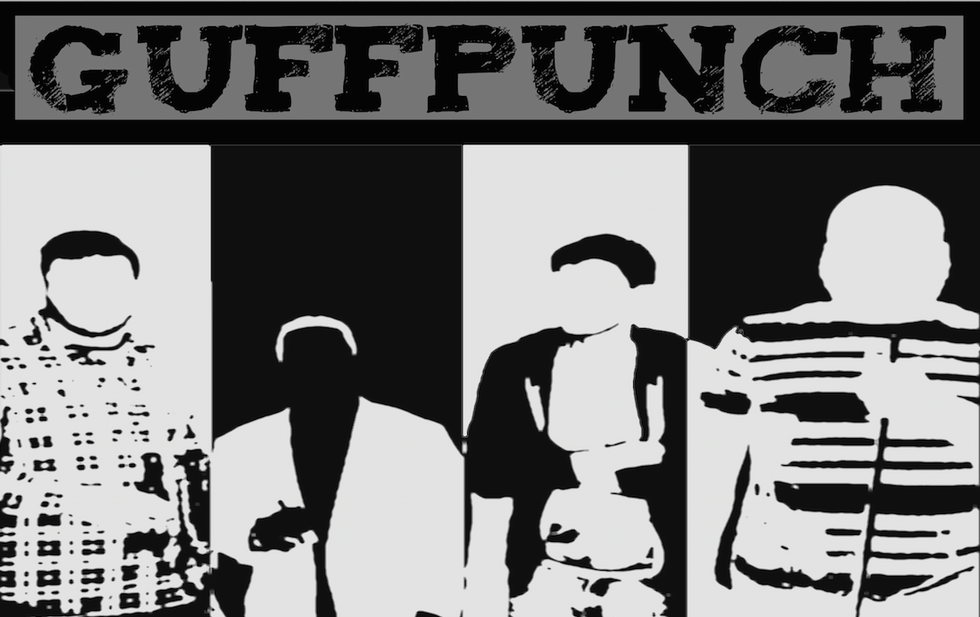
Recently I had an opportunity to speak with comedian/writer/director Sean Beagan on his upcoming feature "Guffpunch." The film follows a young stand-up comic and his adventures, triumphs and failures in the comedy circuit around South Florida.
Nick: Hey! So for starters, as you know, I love the feature. As an aspiring stand up, I think you really nailed the ups and downs of the whole experience, especially in the South.
Sean: Hey man, thanks. That means a lot. It is a movie made by comedians, for comedians, but we also wanted the story to work on a personal level that could be relatable with everyone. So hearing you say we nailed the ups and downs means a lot.
Nick: What was your approach to getting your friends who acted in the film involved? That's a pretty big commitment.
Sean: We, Joe Duena and myself, had a few approaches when asking actors and friends to be a part of this project. Some are people I’ve known through the South Florida comedy community but never really hung out with but heard could act. There’s also a pretty unique improv scene in South Florida and some of those guys also do stand up comedy. Guys like Anthony and Plus are both quick on their feet with improv, so when we were writing the script we knew we were going to be loose with some scenes and needed guys that could think on their feet and go off script. When we asked our friends to act, some who have never acted before, or only with us in our short films, we knew that they knew what we were going for and wanted it to be good. And because some of the script is based on real events and some of them were around when the real events happened they knew exactly how to deal with the situation and how to act in the scene. Me and Mike Cintron have had all night parties when there are no comedy shows going on, and just talked about comedy and drank. We also shot it on Sunday’s for fourteen weeks, so when we asked everyone we told them if they just gave us a few hours of their Sunday a week we could do something really cool that they would be proud of.
Nick: Why did you choose to use actual comedians versus actors?
Sean: We chose to use actual local comedians because being a stand up comedian at a certain level or trying to tell yourself you’re a stand up comedian can’t really be faked, especially when we shot at actual open mics and shows. I think the type of comedian we were trying to showcase hasn’t been seen before and we wanted the movie to feel real. These comedians aren’t the guys on TV or in movies, hell these aren’t even the guys that have moved to L.A or New York City yet. These are just the struggling comedians in every American town that work rough day jobs they hate just to drive hours to do stand up comedy in smokey bars until 2 a.m. And we knew we didn’t want to have to explain to an actor that type of person; we just wanted to get those people because they know what it is like to really be passionate about doing stand up comedy. Also the guys we used are funny, we knew they already had jokes that worked on stage and didn’t want to have to write jokes for actors and teach them how to deliver them. And we didn’t have a lot of time, so we decided early on, this will only work with real comedians in a local community.
Nick: Did you have any hesitations in going the micro-budget route? About how much did the entire thing cost?
Sean: There were a few hesitations with going the micro-budget route. But we knew this is a movie about struggling comedians and we wanted to capture real moments so we thought we need to shoot this like we would a documentary; and although it may not look clean or glossy it will be real. We made a short film for the exact same cost of this feature and it felt like a lot of money was being wasted on certain things we didn’t really need. I think if you can it’s important to pay people that work for you, and to feed them well. If you can’t pay them with money, buy them food and beer and if that’s OK with them, then let them know every day how you know they’re an awesome person. We also knew making this movie no money could be wasted, but in hindsight I still think we used certain money more frivolously than we should’ve, mostly in the beginning. But after week two we got the hang of it and really were careful.
The actual cost for the movie was $3,000. We raised about $2,000 on Kickstarter and then Joe and I each put in our own money. We made it clear to ourselves that the movie would be made regardless of the Kickstarter campaign working or not. We told ourselves that even if it is just me and you acting and doing stand and is shot on an iPhone, we’re making this movie. So when crowd sourcing worked we could actually get certain things we never thought we would. The crowd sourcing route is very tricky. I never like asking people for help, but when you do that and you treat those people like investors, there isn’t any time to sit around or not get the job done. You now have to be accountable for a product. So crowd sourcing can really help in that way. It also shows you that if you have something that you think could work, people that like your idea will get behind you. After the Kickstarter worked I thought, we might have something people really like.
Nick: Could you go in depth on the origin of the word 'Guffpunch?'
Sean: The name Guffpunch--I wish there was a better story for that one. While we were writing the script we knew we didn’t want to call the movie anything too on the nose. We didn’t want it to be called “Stand Ups” or “Open Micers”--just typing those makes me feel weird. It just feels too corny. We wanted a name that sounded different, and we also have made up words for other short films before, each with it’s own meaning. So we made a list of a hundred made up compound words that didn’t mean anything. I love the word “guff” and will use it in any sentence so I made sure to incorporate that in about forty of the words I submitted. And it was the one word we both thought just sounded cool. Then we tried to incorporate it in the script. During a scene, someone is yelling at a comedian about moving to New York or LA and the character goes “Stop giving me guff!” And the character yelling at him says something like “I’ll punch you if you don’t make a choice!” And a third character in the background says “guffpunch him!” We cut that part of the scene because it felt like we were being too tongue and cheek and trying too hard to make the word mean something. But then while filming with Anthony Francis we started talking about the name. Right when I was about to tell him it means nothing he said “I know exactly what you guys did, you took the word guffaw which means laugh and the word punchline and put them together.” Me and Joe both went, exactly. It is a weird name. I think we go back and forth on loving it and hating it. I hate saying it out loud to family but love saying it out loud to friends.
"Guffpunch" recently secured distribution, so it should be playing in select cities soon. As someone who saw the film, I have to say, it's impressive. Not only does it nail the experience of being an aspiring stand up, but also the very human experience of just trying to be and do more. You see the joyous small moments of fun nights with friends, the pitfalls of failure, and the desire to keep going. "Guffpunch" is one of those movies that you'll watch and instantly find yourself immersed in. The world they've created is the very one that we're all floundering around in, and the characters feel like your own friends. It's funny, honest and well crafted.