


Sex is natural. Regardless of age, it’s a topic that needs to be thoroughly discussed because no one is ever too old to learn, especially not in college where so many people are doing it. Although not everyone is doing it, everyone should be educated on the topic. While my life may be anticlimactic, my days are pretty much filled with the subject of climaxes in general volunteering at a sex clinic. Here are five common misconceptions I hear quite a bit:
10. Do-It-Yourself “condoms” are a thing.

Not only am I glad I hear this the least, but also glad that at least there is an effort being made to use some form of… “protection”. However, no; using a plastic bag or a Ziploc bag in lieu of a condom is not safe nor effective. In addition to not offering protection from diseases, they can also easily tear or cause lacerations in the vagina.
9. Wearing two condoms is double the protection.
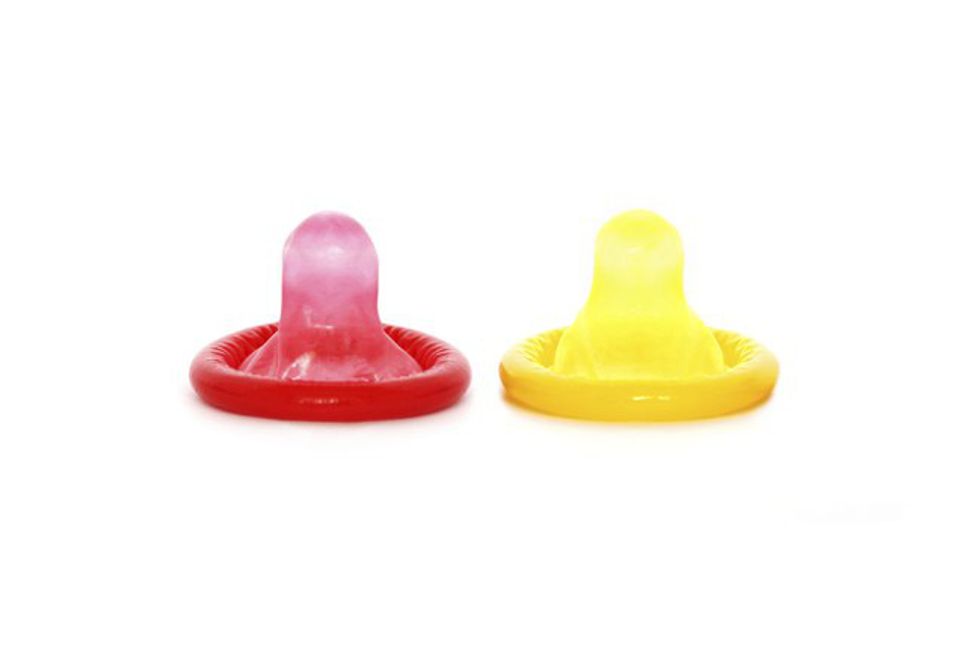
How about no? If you wish to have an extra layer of protection in supplement with a condom, then birth control might be a viable option. But “double bagging” as it is called, is a very hazardous practice. Wearing two condoms would cause friction and perhaps enough to make the condoms tear.
8. Uncircumcised men are filthy.

While cleaning the penis is more of a task for an uncircumcised fellow as opposed to his circumcised counterpart, uncircumcised penises are not “filthy.” Moisture can accumulate between the penis and foreskin, making the site suitable for bacteria to cultivate, which also puts an uncircumcised male’s sex partner at risk. However, if a man is thorough when cleansing underneath his foreskin, he is just as “clean” a sex partner as an uncircumcised man.
7. You can kind of tell if someone has something.

Humans may be visual beings, but there is definitely more than meets the eye. If someone very visible seems to lack proper hygiene, I am sure no one would want to consider them as a sex partner. However further than hygiene, you cannot tell if someone has “something.” With chlamydia and gonorrhea for example, often times affected individuals display no symptoms.
The only way to really know someone’s status is to get tested.
6. Pullout game strong.

This one is a popular mantra. Coitus interruptus, or the pullout/withdrawal method, is the method by which a man pulls out from the vagina prior to ejaculating. Not only is this method common with people my age, but it is also cheap. And like other forms of birth control, not 100 percent bulletproof. Pulling out requires a substantial amount of self-control from the male, and trust for both people involved. Often times pulling out may be using in collaboration with a condom but if not, then please take caution; you are at risk of contracting an STD and even if you do withdraw prior to ejaculating, sometimes your penis secretes pre-ejaculation which also has the potential to impregnate a female.
5. You can’t contract an STD/STI through oral sex.

Many people seem to think oral sex is safe sex and does not require a condom. The truth is, oral sex does in fact require a condom (or a dental dam) because STDs and STIs can be transmitted through bodily fluids such as semen and saliva, especially if there are open and infected sores. It is harder to contract HIV via saliva however unless there is blood present. If you absolutely dread using condoms for oral, there are flavored condoms that come in a variety of tastes.
4. Magnums are the kings of the condom world.
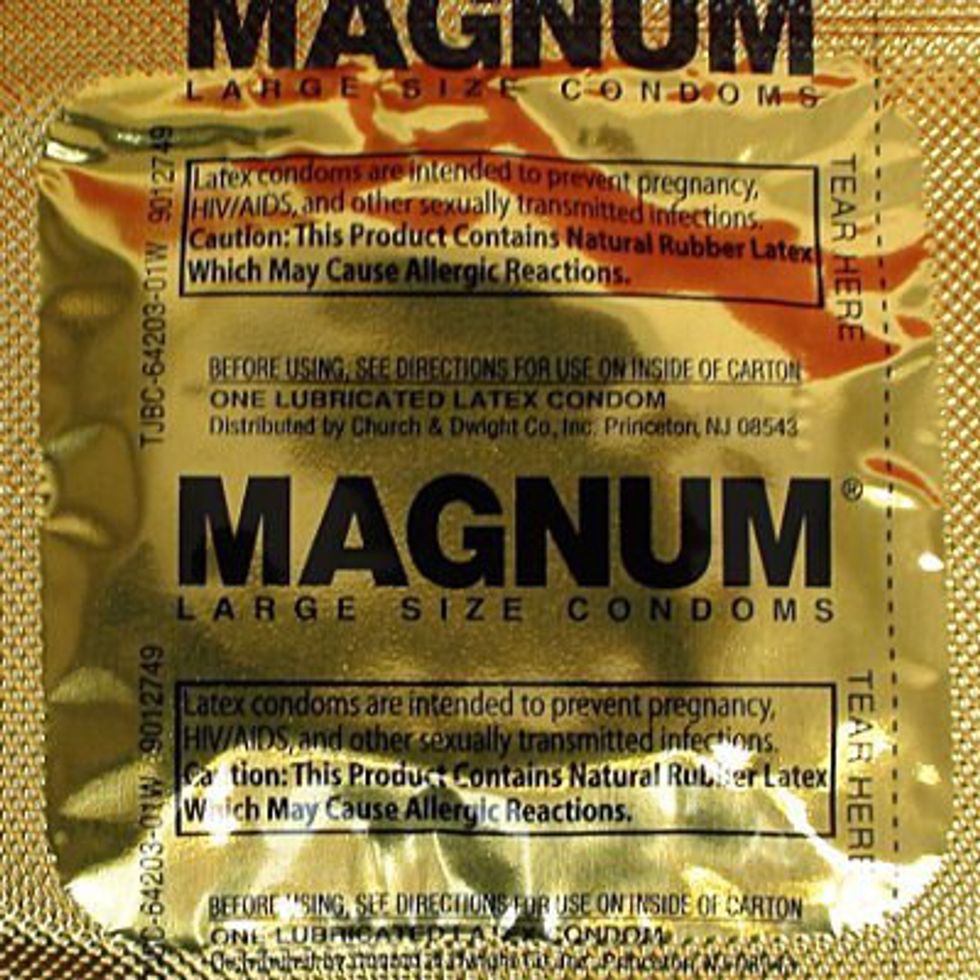
While there’s nothing wrong with having a favorite condom brand, once a Magnum is brought out, lots of girls have admitted to already assuming their sex partner has a large penis because hello, it’s a Magnum! Not only that, but when passing out bags of condoms, Magnums are the only ones requested whereas Lifestyles are shunned. In actuality, Magnums may be nice but they are not the be-all tell-alls of size; Magnums are more for girth, while Lifestyles are more for length.
3. You don’t need a condom for anal sex.

Anal sex is the riskiest form of intimacy; the anus does not lubricate itself, is very thin and therefore prone to tearing, and its warm and moist environment is that perfect for STDs to thrive. No matter the form of sex you wish to engage in, please use a condom.
2. You can’t get pregnant on your period.

I get it- many of us hate condoms- but seriously? What bewilders me the most about this one is that I have heard it more from people 30 years of age or older more than I’ve heard it from people my age. Sperm can live up to about six days after sex, so pregnancy is still very possible. Even on your period, a pullout and a prayer won’t save you.
1. You only need to get tested once.

No! I’ll be the first to admit that after I got tested for HIV the first time, the spot I got my finger pricked stung for about three days after but let's all throw away this assumption together. While getting tested soon after probable exposure to HIV or other STDs was a great initiative to take, it can take anywhere from three to six months for HIV antibodies to begin showing up. So, just because you came up negative the day after does not mean you will be months later! Getting tested should be an annual occasion at minimum, not just a one-time instance.
All in all, having sex is fine as long as it is safe and consensual. Often times the question of “Well when do I get to ditch condoms?” is brought up and the answer to that is, it’s up to you. If you and your partner are in a monogamous relationship, get tested and come out negative, and are both mature and sound enough to handle the possible repercussions unprotected sex may bring, then by all means, retire the condoms.
Florida Agricultural and Mechanical University students are encouraged to stop by Sunshine Manor, the on-campus sex clinic, to get tested anytime Mondays through Fridays from 1- 5 p.m.