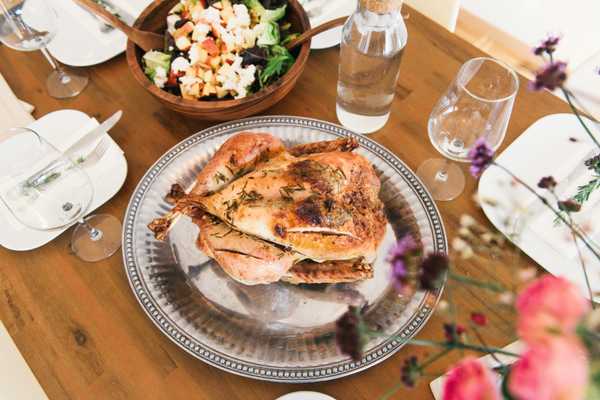

This Christmas I was spoiled and over-privileged enough to be able to visit one of Mexico’s many beautiful beaches, palm trees and all, for a long week of warmth and relaxation. At first, I was happy to indulge in the sweet margaritas and creamy guacamole that seemed to never get old, from my lounge chair next to the crashing waves. I joined my overly excited and energetic family of sixteen as we partook in dinners where plates upon plates of seafood were served with a smile. We ate three meals a day, all with fresh and seemingly abundant ingredients: freshly squeezed orange and pineapple juice at breakfast; newly mashed avocados at lunch, along with just-cut tomato and cilantro salsa; and same-day catches of giant shrimp, fish, and octopi at dinner. There was absolutely no sign of going hungry as full bellies waddled away to their beds at the end of each day. Even watching five growing little boys in my family shove their faces with food at the intricately decorated dinner table didn’t quite repulse me. It wasn’t until we were on the plane headed home, that the heaviness of just how blessed we were really tugged on my heart.
Back at the house we’d inhabited for a week in Mexico, I had found the holy grail of magazine collections: National Geographic. Pulling it’s sticky pages apart, I realized my luck hadn’t ended with such a wonderful vacation, because this edition was filled with talk about food, sustainability, and trade. Food was just what I’d been contemplating since Thanksgiving; slowly and accurately working out how it all made sense in my mind. It is a topic I am continuously generating questions about after a blog I’d read just before Thanksgiving made me consider: “What does breaking bread mean to you?” There were articles about milk, potatoes, alfalfa, wheat, and rice; as well as the exchange of water between China and the United States. I was overwhelmed by the exactness with which it captured my attention, and how this exalted a theme of good fortune in the past seven days.
Personally, I noticed that I needed to learn how to genuinely savor the people, the objects, the moments of my life. For seven days, I was able to relish the halted aging of my loved ones; and happiness seemed to elongate itself. I recognized a lack of cherishing my life. This included meals too. I too, was guilty of overindulging, and it was time for a change.
One topic in particular that had been on my mind at this time of year, tied it all into a tidy bow of Christmas past. Genetically modified organisms, or GMOs. Those three little letters that sit prettily on the cans and boxes lining the aisles of grocery stores. So well recognized they are almost ignored, much like a homeless hungry man on the streets of New York City. They are a common topic of discussion between those family members (that I’d just spent vacation with), and I. They are a label and a fear, a scientific revelation, and a possible remedy. And since food was all around us, those three little letters couldn’t help themselves enough to keep popping into my mind.
While we were pampering our stomachs with a glorious amount of food, this magazine was discussing the issues countries and its people face all around the world regarding the lack of food they have, and need. It presented many options for solutions, one of them being GMOs. Lack of food, coupled with an availability of this feasible solution sounds like the GMO answer is a piece of cake! If you cover the term (GMO), the idea of growing rice botanically similar to seaweed in a field that has been taken over by salt water, is a logical and innovative solution. This seaweed-like rice provides for sustaining agricultural land the size of France, which would otherwise be lost to infiltration of salty water in croplands. Or how about another type of hybrid rice that saves millions of gallons of water? Families in India neglected prior are now able to obtain drinking water. Higher yields allow farmers’ water demands to decrease, permitting the transfer to occur where it’s needed; that is, to the population of 1.3 billion in India. Still, those little boys shoving their faces? They had no idea the scarcity and starvation that was occurring in places like India, China, and Africa, was being amplified by our ignorance.
Although GMOs are more popularly accompanied with singsong phrases like “nobody likes ‘em, everybody hates ‘em” from the indulgent and fortunate, they fill in the gaps those same people inevitably create. These crops have reduced food insecurity by 15 to 20 percent, according to a study funded by the German Research Foundation. Not to mention, some crops negate the need for use of pesticides, decreasing the amount of poisonings by 2.4 million. Still, it is true that “GMOs are neither poison nor panacea”, but they have “the real potential to have a larger positive impact immediately if they’re allowed to.” With an ever growing world population, and nothing more to lose than to gain, we might as well give GMOs a shot. Until those who are distant and uninformed find the initiative to not only be grateful, but also frugal in their food consumption, GMOs will save us. The extent to which we disagree with genetically modified organisms does not solely depend on the basic ethics or trending opinions of this feared concept. Humanity, Americans, and those little boys with full tummies, should be conscious and concerned foodies who savor their dinner and know the consequences of overindulgence. Otherwise, genetic modification will remain to be our savior, a savior from ourselves.