
About 8 years ago I had my first panic attack.
I don't remember many of the details, but I do know that it happened a few weeks after my seizure. I could not sleep for many nights, terrified that I would have another spasmodic fit. I did not realize it at the time, but during those nights when I couldn't sleep, petrified to see the flashing colors in front of my eyes and feel the blinding pain in my head for a second time, I was having panic attacks.
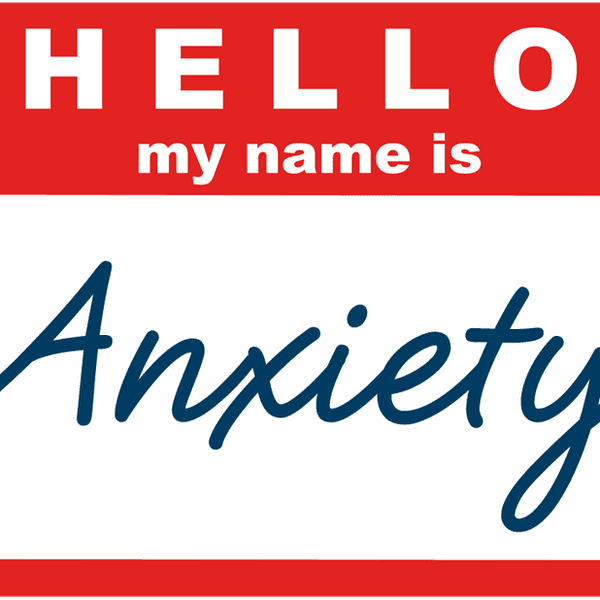
For those who are unfamiliar with the term, a panic disorder is: "an anxiety disorder that is characterized by sudden attacks of fear and panic," according to MedicineNet.com. If you have ever experienced anxiety, having a panic attack is kind of like that, except intensified by about 1,000.
Some common symptoms experienced during a panic attack include rapid heartbeat, shortness of breath, tingling in the hands, anxiousness, hot/cold sweats, dizziness, feeling of needing to go to the bathroom, and nausea, to name a few.
As I said--these are just a few symptoms. Each person can feel or notice one more than others. For myself, rapid heartbeat is the foretelling sign that I am having a panic attack.
As with most mental disorders, there is no cure. However, there is treatment, such as behavioral therapy and medication, that can help. Talking to your doctor or psychiatrist would be the best step in gaining control over your mental disorder.
I was not professionally diagnosed with a panic disorder until I was 15. I had a strong suspicion that I had one for about year before, but when I tried explaining it to my mom, she didn't believe me.
I think that is the hardest part of having a mental disorder. It's not the treatment or even the attacks. What hurt the most was when my mom didn't believe me. There were a few times where I had a panic attack when my mom was with me, but I always excused myself to go to the bathroom to deal with the attack alone. This meant that my mom never really saw my attacks first hand. A moment that will always stick with me was when my mom stormed into the bathroom at a restaurant we were eating at and told me to, "stop being dramatic." It took me a little longer that night to calm myself down.
The thing is that I don't fully blame my mom for saying that to me, for not understanding. The truth is that not many people in the United States, or even the world, truly understand mental illness. We know the names from health class, but we don't comprehend how it can affect someone who has it. We may be aware of the symptoms, but we probably have not seen them in action.
We need to improve mental health education. I believe that if I had known about panic disorder before having my first panic attack at 11, I would have received treatment without waiting 5 years. Let's educate the next generation and present generations on something as prevalent and important as mental health.
Also, if you know of someone who has a mental disorder, please believe them if they tell you they have it, no matter how "dramatic" they may be acting.
Stay gold.