


Did you know that 50 percent of marriages in the U.S. end in divorce?
It is a crazy statistic to think that your marriage could some day easily fail. You might be aware of how divorce can bring a lot of trauma into family's lives. You might also be aware that parents have to figure out custody arrangements and alimony. But, what you are not as aware of is the psychological harm that affects children getting out of a divorce and how they initially react to the news. It is scary to find out that one's family is not going to be the same anymore. For some children, their reaction to the divorce does not go so well. They might put blame on themselves or become scared of forming future relationships with friends thinking that those relationships will fall apart. Unfortunately, we might be facing these situations currently in our own families. For parents and future generations, we must realize how vital it is to consider the psychological issues children may face from divorce. With consistent trends of depression, anxiety, and blame in children of divorced parents, this article will be touching upon how children can be effected by these conditions.
1. Depression:

Depression is one of the most common psychological conditions post divorce. Depression might be hereditary, but it is valid to say that divorce may trigger a child to be depressed. A parent’s divorce is a huge change in a child’s life, so it is highly likely that the child and the parent will face a period of sadness. People become depressed from life events such as the death of a family member, loss of a friend, or the tragedy of divorce. psychologist Edward Teyber Ph.D. concludes that, “depression [can be likely] the aftermath of divorce” (p. 71).
Depression as a Hereditary Factor:
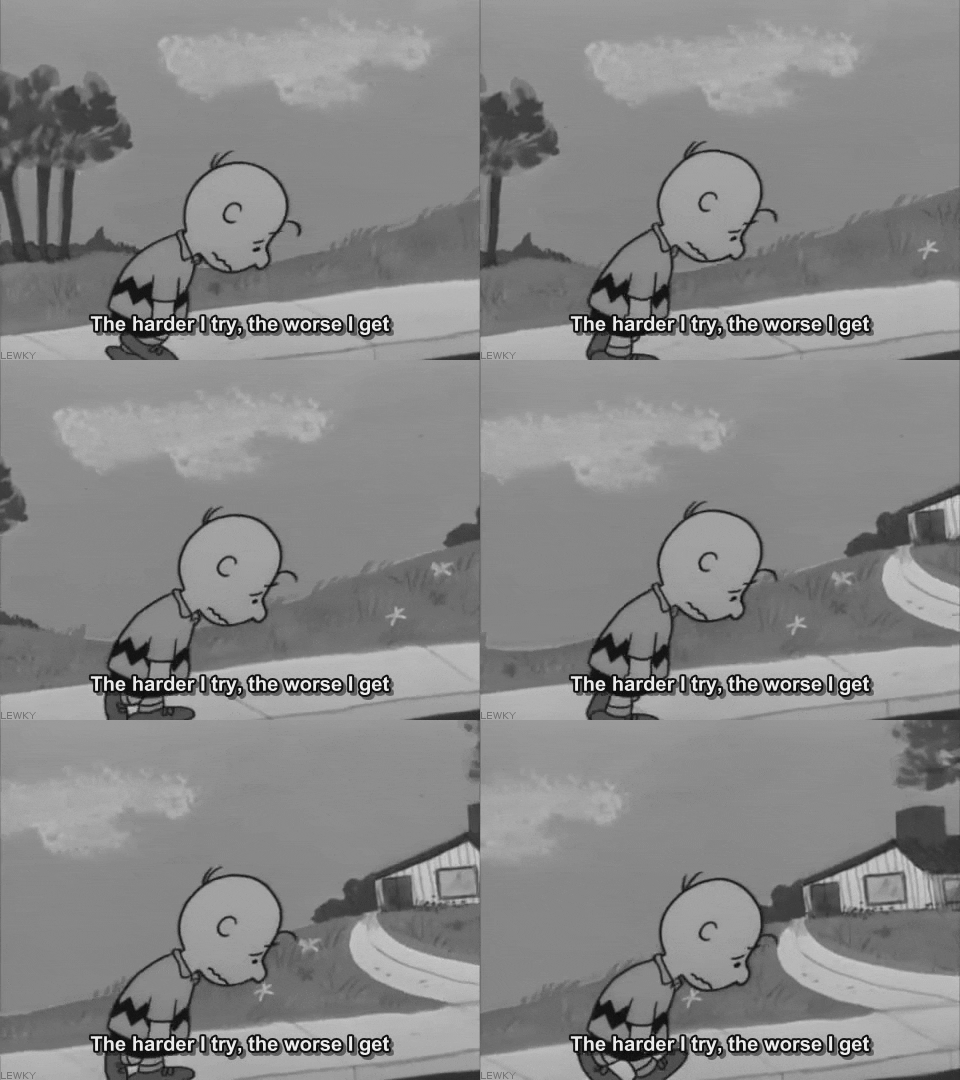
It is arguable that depression is hereditary. The biological term "hereditary" means that it is in our genes. Although depression might be hereditary, that does not mean divorce was not the trigger for the child’s depression to spark up.

Divorce as an Environmental Influence for Depression:
Similar to the likelihood that the child may just be sad or prone to having depression, environmental factors have a 60 percent likelihood to trigger depression. This means a child who has the ability to become depressed is more likely than not going to develop symptoms of depression when a divorce occurs.
But What About the Fear of Separating From Your Parents:
In psychology, we study the idea of separation anxiety and how it applies to younger kids. Separation anxiety is the fear that the parents won’t come back when the child wakes up. But in divorce, we can apply this concept to children of all ages. Children are afraid that they will never see their dad again if they live with their mom most of the time and vice versa. It can be a scary concept. By understanding the idea of separation anxiety, it will become clearer how it can apply to a parent's divorce.
Blame:
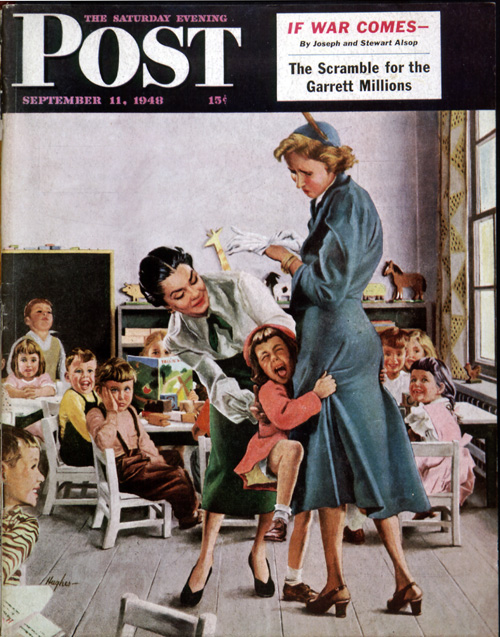
Children tend to think it was their fault their parents divorced. For example, they might feel that their parents hate them or that they do not want them anymore. The feeling of blame is common for a lot of children. 
Children do not always know that people divorce for a variety for reasons, therefore, they try to find conclusions on why their parents separated. Blame is sometimes the easiest conclusion to come up with.
Concluding With:

It is vital for parents to help their children cope with the divorce. There are many psychological conditions that can effect the behavior of children, but by being aware of these conditions you can prevent them.