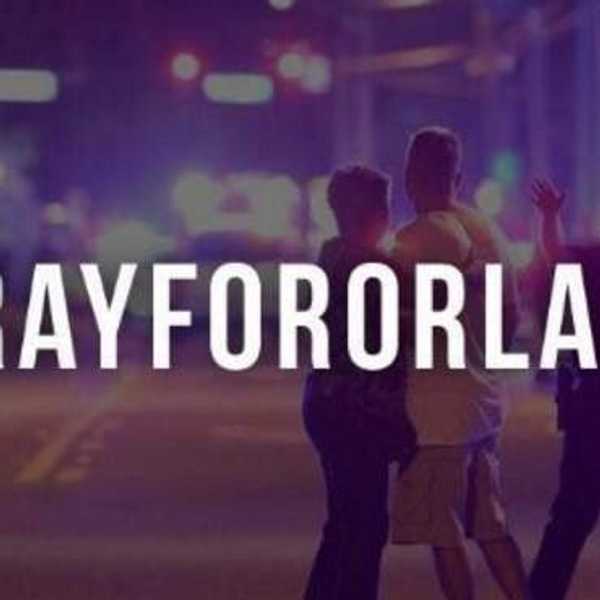
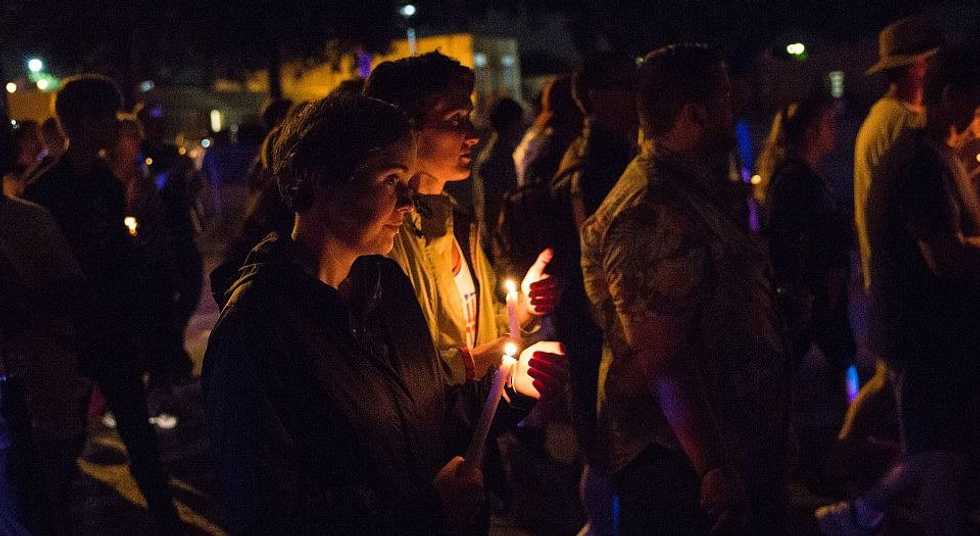
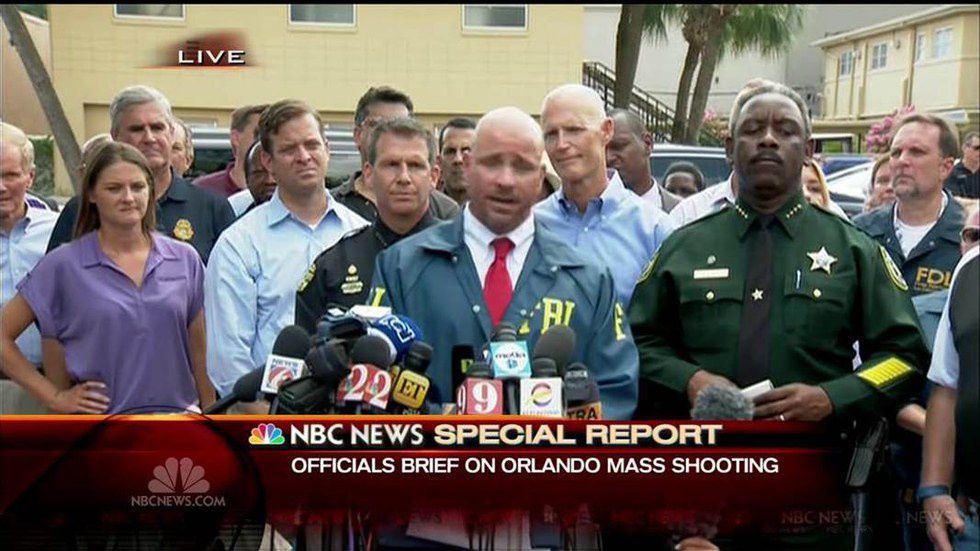
I woke up on the morning of Sunday, June 12 expecting it to be like any other ordinary Sunday: I would go downstairs, make myself a cup of tea, and then settle down in the kitchen to eat my usual breakfast of granola. While I was lucky enough to experience this usual chain of events in my own life, it only took one look at the news channel blaring on the television to realize that this was not the case for many people that morning. Overnight, unbeknownst to my privileged, fortunate, sleeping self, the Pulse nightclub in Orlando, FA became the location of the "deadliest mass shooting in U.S. history." As I watched the shocking details of the massacre unfold before me— 49 people dead, over fifty injured— my jaw dropped in astonished horror. At that point officials did not know much about the shooter or his motives, but they assured the public that a thorough investigation was currently underway.
I’m not here to debate the motivations of the shooter, nor whether or not this was an act of terrorism involving foreign influences. What I am here to talk about is what I hope people take away from this appalling, disturbing, heartbreaking tragedy. As we mourn the loss of these victims whose lives were needlessly taken, it’s important to also think about how we can positively move forward. I believe that it’s our duty to work to create a society in which massacres like this one can never be executed.
But how can we work toward this ideal culture of peace? One step is surely to address the many cultural and political issues surrounding the Orlando mass shooting: gun control, terrorism, and violence against members of the LGBTQ+ community.
One of the most obvious controversial topics brought up by this horrific act of violence is gun control. The New York Times may have said it best in a recent article about gun homicides across the globe, stating that though “the rate of gun violence in the United States is not the highest in the world… among developed democracies, the United States is an outlier.” There is something inherently wrong in American society that allows such a statement to ring true. It’s a matter of cultural attitudes, yes— the fervent belief in the American “right to bear arms”— but it is also a result of a lack of effective gun control policy. Under no circumstances should mass shootings be considered the “norm” in any nation, yet this is the direction in which we seem to be moving at a rapid pace.
As I watched the news report of the shooting on TV that Sunday morning, one of the first assumptions people seemed to jump to was that it was an act of terrorism, most likely one associated with Islamic ideology. This conclusion has become almost a gut reaction for many people, an instinctual response to violence in any public setting. However, this raises an important question: What is being done to control Islamophobia in our society? What is being done to prevent people’s brains from automatically equating the Islamic faith with acts of terror? Again, we need to view this problem not only from a cultural perspective, but from a political one as well.
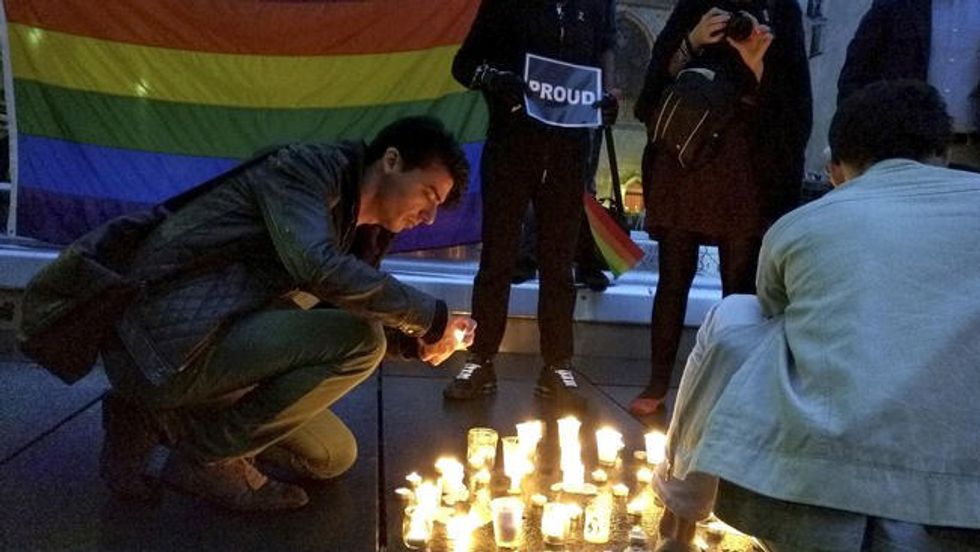
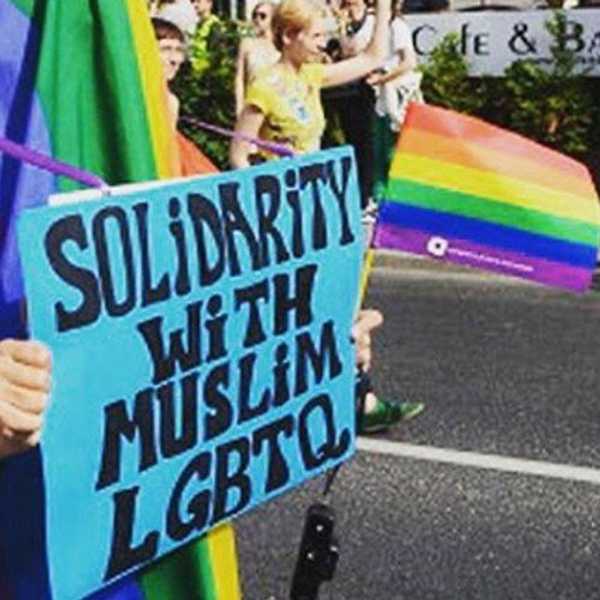
Moreover, we cannot forget to extend our thoughts to the LGBTQ+ community as they continue to face terrifying threats of violence and discrimination on a daily basis. Though people may claim that we have made great strides in fostering a culture of acceptance, the Orlando shooting serves as an example that perhaps we haven’t made as much progress as we once thought. In the aftermath of the massacre, it’s important to realize the power we all have to come together and support one another through these difficult times. In further developing a culture of acceptance, we can work towards demanding the policy changes necessary to set such views in political stone.
Watching the news of the shooting on TV that Sunday morning was one of those moments when I felt most grateful to be alive and well. As our hearts reach out to the victims and their families, let us do our best to also think about how we can work towards creating a society of peace: not only with our words and actions, but with our votes.