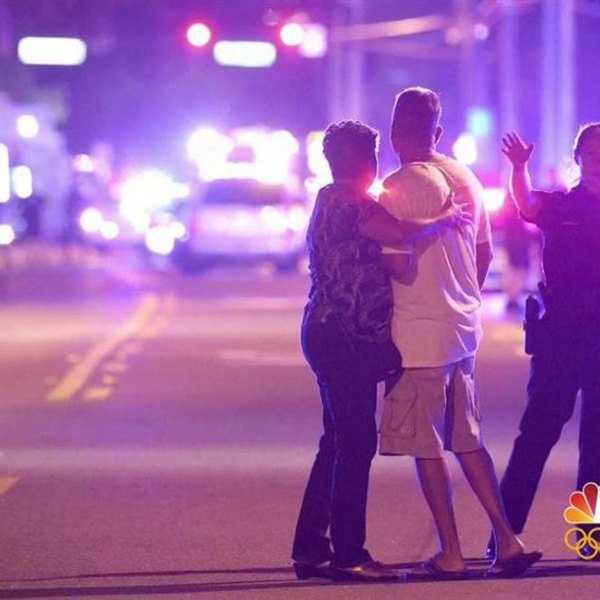

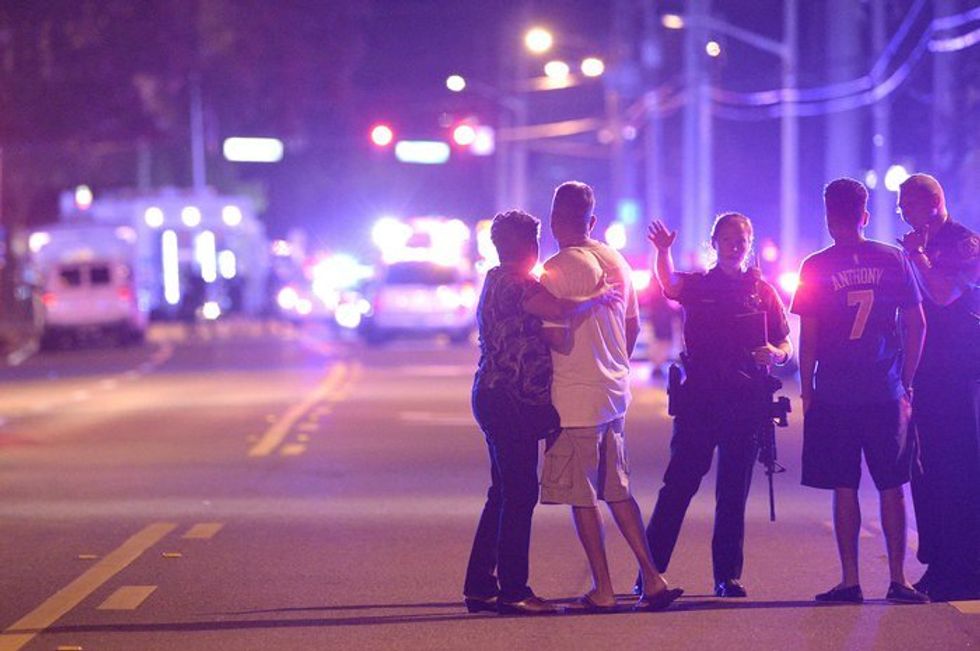
Are safe spaces ever truly “safe”? The shooting that wreaked havoc, injury, and death at Pulse, an LGBTQ nightclub in Orlando, is an example of how intolerance targets these treasured sites of community gathering and celebration. The club sought to honor these values on Saturday night with a Latin-themed event, and the club was packed with people, majority of whom identify as queer, transgender, gay, or lesbian, and as Latino/a. Yet, one person wielding an assault rifle and a handgun and was all it took to sabotage this collective night of hurrah and leave 50 people dead and more than 53 injured.
What compounds the intense grief following this massacre is that these levels of violence and hate are not unique within the LGBTQ community. In fact, violence in nightclubs and bars have plagued LGBTQ people in America ever since the 1950s and 60s. During these turbulent eras, police officers would raid these spaces and beat LGBTQ patrons with clubs, as well as with their bare hands. Officers would also forcibly strip whomever they suspected of crossdressing, which was illegal at the time. These raids became so frequent that on June 28, 1969, when police barged into a New York City gay bar called The Stonewall Inn, riots and backlash led to the iconic Stonewall Uprising and birth of the mainstream Gay Rights Movement.
Stonewall not only galvanized a movement, but also a period of commemoration and celebration of LGBTQ people and their histories, otherwise known as Pride Month, which falls during the month of June. Last year, Pride proved to be an increasingly joyful event, with the United States Supreme Court ruling same-sex marriage to be legal across the nation.
But what occurred in Orlando is a painful reminder that despite this historic ruling, the safety of LGBTQ people, particularly transgender women, continues to balance upon a tightrope of harassment, institutionalized discrimination, and hate crime.
The shooting in Orlando was a hate crime. In an effort to unearth a possible motive, the gunman’s father recalled his son’s angry reaction to the sight of two men sharing a kiss in Miami. A packed gay club on a night of Pride Month then served as his target. These factors combine with the pattern that demonstrates how hate crimes tend to unfold in community gathering places. Just today in Los Angeles, authorities identified a man who stored weapons that he intended to use on the city’s pride parade. Outside the US, such as in Russia and the city of Tel Aviv, gay clubs serve as prey for homophobic outbreaks. Outside the context of LGBT spaces, shootings motivated by intolerance have occurred at Muslim and Sikh places of worship, and a historically black church was the site of a shooting just last year.
This long and fateful string of events shine a harsh light on the fact that in the places where communities feel most safe to converse and meet are the exact locales upon which dangerous and intolerant people fixate their attention.
In Orlando, the investigation continues underway. President Obama professed his condolences from The White House, which marked the sixteenth time the President has had to address a mass shooting incident in the United States.