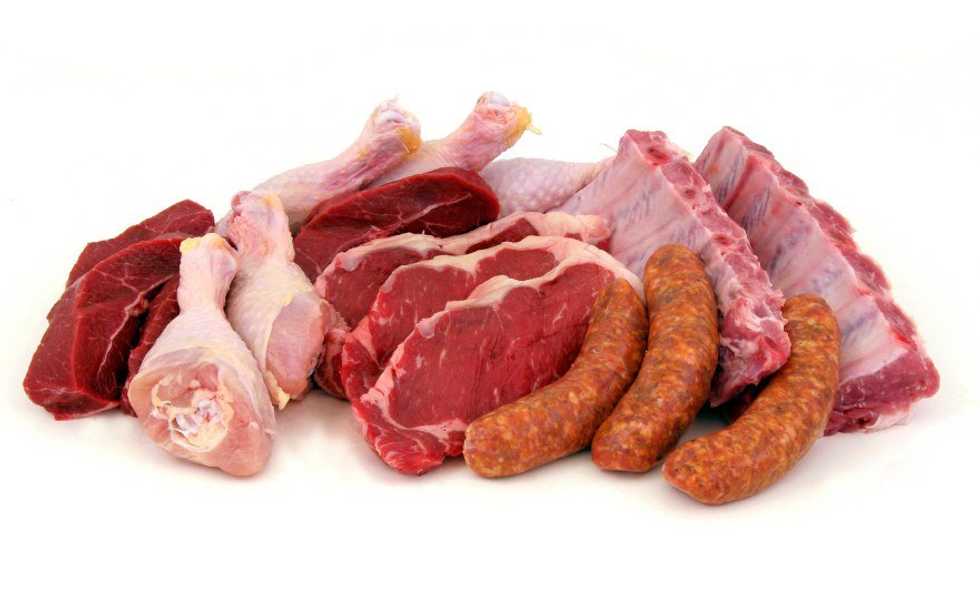
Beef, chicken, pork, lamb. The list goes on and on. Meat is everywhere in our world. From a caveman feasting on a wholly mammoth in a dark, damp cave to someone chowing down on a burger from Burger King in their SUV, we as a species have always been known to eat meat. We, anatomically, have been made to eat meat. However, set aside the deliciousness that is a bacon cheeseburger or a nicely made Gyro, and you may start to see that we as a population, as a planet, may need to cut back on these delicious fleshes.
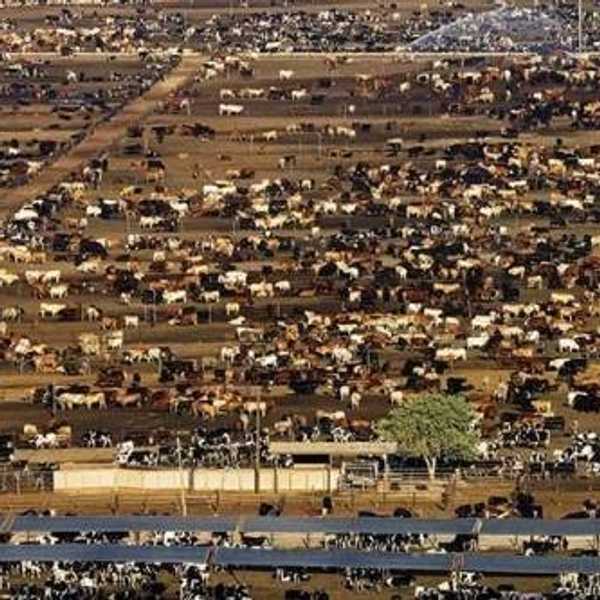
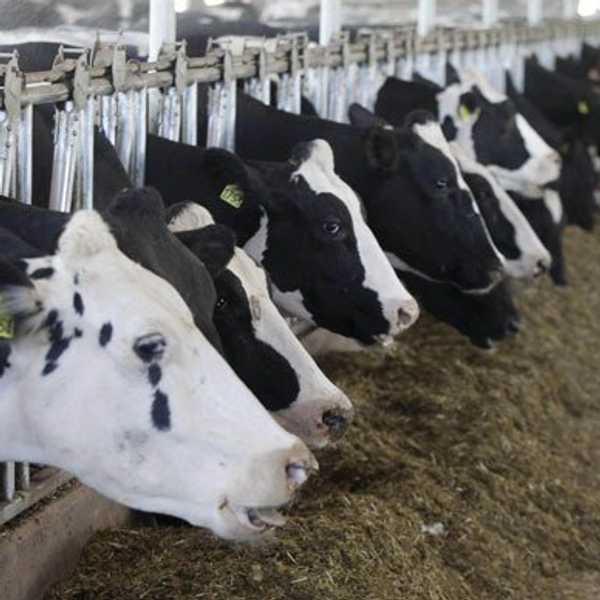
Time magazine recently reported that livestock production may be the single biggest impact to our planets health, especially in regards to climate change and green house gases. Thirty percent of accessible land on our planet is used for livestock and 1.3 billion tons of grain are used to feed them all. So what are we as meat lovers to do? Do we simply stop eating meat all together? Do we embrace a life of only tofu, lentils and nuts?
No, but I think a couple things need to be done to compromise.
1. Eat less meat.
Obviously, the simplest answer. The average American eats about 270 pounds of meat per year. That's about 12 ounces of meat every day. Even cutting that amount in half would have a huge impact for the world, with still having the ability to enjoy your burger, but you will just have to skip seconds of that mouth watering beef. Which leads to the next point.
2. Eat less red meat.
Beef and pork are much harder on the environment than any other meat. Bigger animals like the cow and pig require much more, food, water and energy put into them. 2000 gallons of water are required for one pound of beef to be produced. Other meats such as chicken and fish tend to be much easier to produce with less effort, and they are also much leaner with less fat as well.
3. Embrace substitution.
Meat substitutes are on the rise, and some of them are starting to actually not taste like a dry sponge powdered with fermented soy. Some brands, such as Morningstar ,make pretty amazing veggie burgers (trust me) and are affordable and healthy. Tofu is another great substitute. I don't expect anyone to eat raw tofu, but when it is grilled or fried with plenty of spices, it's pretty delicious. Aside from soy, other proteins such as beans and nuts are a great option and they don't taste like crap.
4. Eating responsible meat.
Much of the meat that we consume unfortunately is usually processed in large, industrial scaled factories where much of the meat comes into contact with chemicals and antibiotics. Almost all of the meat used in the fast food industry is a prime example. Healthier, organic meat is always a plus. Eating meat should be a privilege and with privilege comes responsibility. Wherever you may eat, know where the meat is coming from. At the supermarket, look for the organic meat option. They don't have it? Tell them to get it. The consumer has the power in the end. If you want it, you will get it.
So next time you dive into a hearty steak or a nice slap of ribs, take a moment to ponder. Be thankful for the ability to eat meat. Enjoy it, rather than just shoving it down your gullet. And lastly, try to make a fair compromise between your meat-loving mind to the environmental factors that affect our planet. Enjoy it, responsibly.