
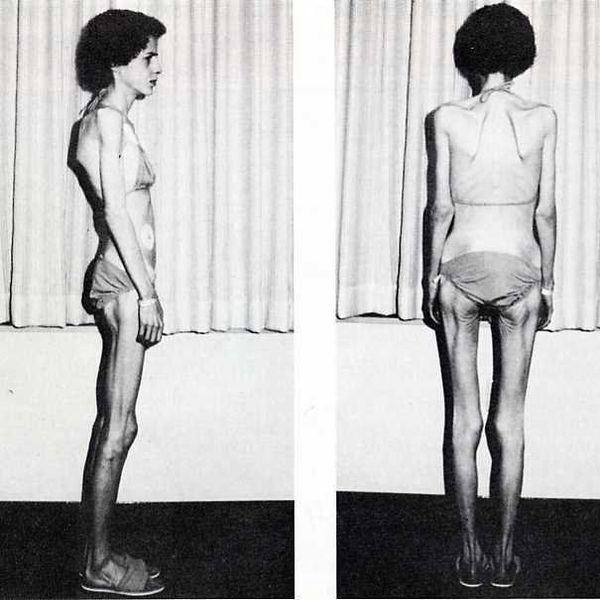
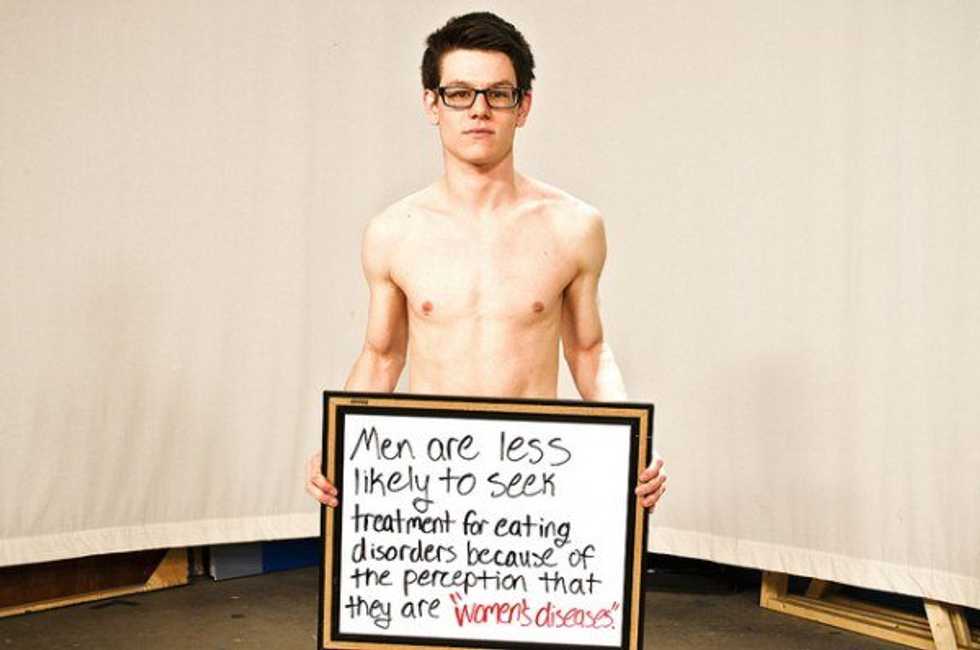
The fact that we have a National Eating Disorders Awareness Week is amazing. I wish I would’ve gotten involved in this topic sooner. Maybe it could’ve helped me work through my own eating disorder earlier. To see so many people openly supporting those who fight these illnesses every day, and raising awareness for those who suffer in silence. That being said, I will now go on to criticize the ways in which NEDA week is currently being handled. There are ways to improve this to help people with eating disorders more.
According to the latest information on the NEDA website, over 30 million people have some form or combination of eating disorder(s), compared to roughly 5 million Alzheimer’s patients and roughly 3.5 million people with Autism. Yet, while Alzheimer’s Disease receives $450 million in NIH research funds and Autism receives $276 million, eating disorders receive only $28 million. It suffices to say then that we need more than just one week to raise awareness about eating disorders. We need 52 weeks, every year. Granted, it is very common for any cause to relegate awareness to a single week, and those single weeks are great. But, especially concerning illnesses with such high mortality rates, it is crucial that we fight against this trend and show support every week.
Let’s talk about the “no mirrors for a day” situation. Again, it’s great to see people willing to do things to raise awareness. But I think this particular campaign is a perfect example of the problem with how we currently approach eating disorders. Having neurotypical people covering up mirrors around campus with messages about “loving yourself” is nice, but it really doesn’t do much in the grand scheme of things, particularly because blocking out mirrors focuses more on general body image issues rather than eating disorders in particular.
This sends this uncomfortable message that our self-perception, meaning ourselves, is to blame. Eating disorders are extremely complex and still not well-understood, but it is generally agreed upon that a combination of mental predisposition and societal pressures play most of the role in their development. What does not cause eating disorders, however, is someone simply not liking what they see in the mirror. This is a declawed, safe substitute for the intense reality of eating disorders is harmfully reductive, and encourages continued misunderstanding of such illnesses’ severity.
Instead of “no mirrors for a day,” post a picture online of a body-positive person. Do research on eating disorders. Get to know someone who is open to talking about their eating disorder. Share someone’s story. This segues into a widespread issue in activism: the misunderstanding of allyship. There is a difference between supporting a group and taking over the conversation. The forefront of NEDA week should not be photos of people holding up white boards with affirmative messages on them, or people talking about how one of their childhood friends struggled with an eating disorder once. At the forefront should be people who have gone through, and may still continue to go through, the pain of having an eating disorder. Activists and allies should be demanding more research funding. We should be uncovering causes of eating disorders, rather than covering up mirrors.