
We live in a world of gray areas. Far left liberals and far right conservatives both strongly believe that they are absolutely correct, without a shadow of a doubt. They think they can make the world black and white. Despite the overwhelmingly monochromatic world, the legal system attempts to make the United States as black and white as possible, in terms of the law.
The Supreme Court, for example, is supposed to seat the best judges of character and situation in the whole country, who aren't afraid to make the tough choice that they believe is the right one. Dramatized legal proceedings captivate entertainment-hungry Americans; that is why "Law and Order" has been running successfully for many years. We love to see the bad guy get yelled at by the handsome lawyer, then the bribed judge bangs his gavel, and he's put away for life. The family of the victim stands up, embracing with tear-filled eyes. The buzz word on everyone's mind is justice. However, it doesn't always end that way.
Sometimes there is no happy ending. Most of the time, it's still just gray. Trials such as the infamous O.J. Simpson trial were highly publicized, and everyone knew the outcome (he was acquitted). These trials shape our culture because these people become household names in some cases, and pop culture references in others. They cause us to ask questions of ourselves, others, and society as a whole.
Here are five of the top trials of our generation.
5. Casey Anthony Murder Trial, 2011.
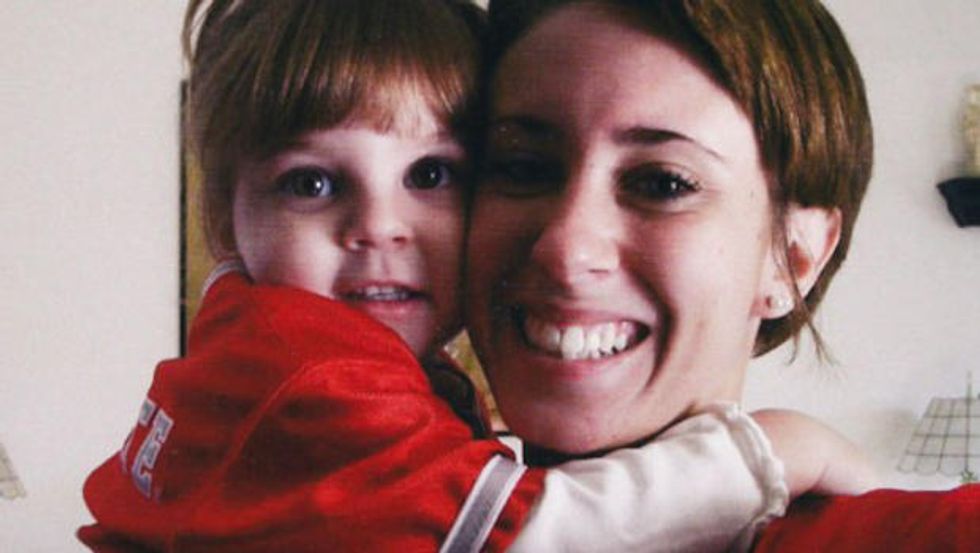
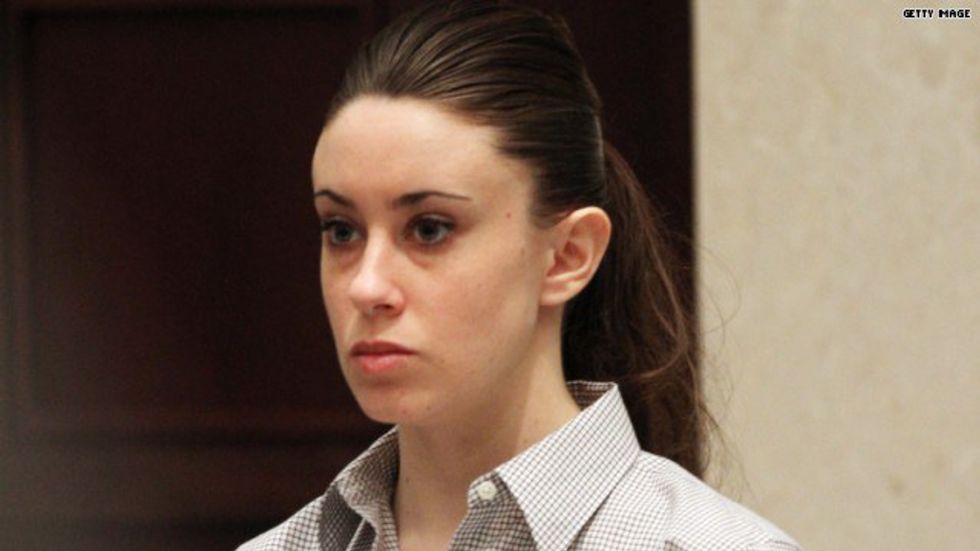
Mother Casey Anthony, charged in the murder of her 2-year old daughter, Caylee Anthony, failed to report her disappearance for months, and later was found not guilty of murder.
This case was interesting to our generation because everyone had different opinions on whether or not she was guilty, leading up to the verdict. She looked like a normal person, someone you would see walking down the street with her family. The emotional appeals from both the prosecution and the defense were pulling the American people back and forth between hating her and sympathizing with her. Does the woman in this picture look capable of killing her sweet daughter?
4. Burwell vs. Hobby Lobby Stores, 2014.
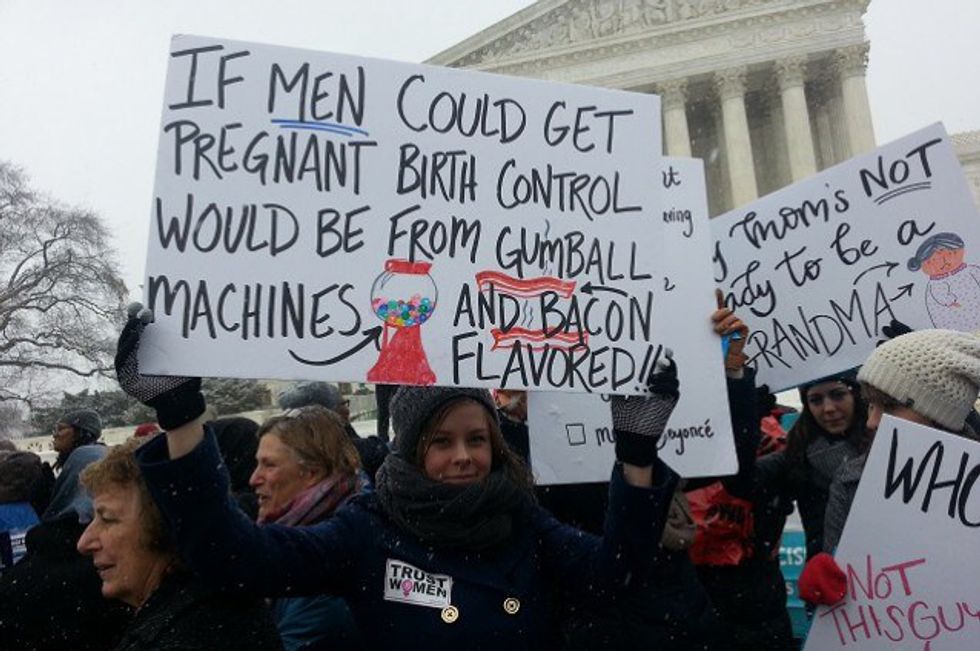
Hobby Lobby refused to cover emergency contraceptives and IUDs due to their religious beliefs. The Supreme Court ruled in favor of Hobby Lobby, since it was a "closely-held" (family-run) company.
Many Americans followed the outcome of this case because they felt very strongly about it either way. The owners of the Hobby Lobby stores felt that allowing these contraceptives to be covered would mean compromising their religious beliefs. (emergency contraceptives and IUD's could potentially stop a fertilized egg from implanting.) The controversy sits in how far we let freedom of religion go as a nation. Do the religious beliefs of the person paying you have any effect on whether or not you should be covered for Plan B or Mirena?
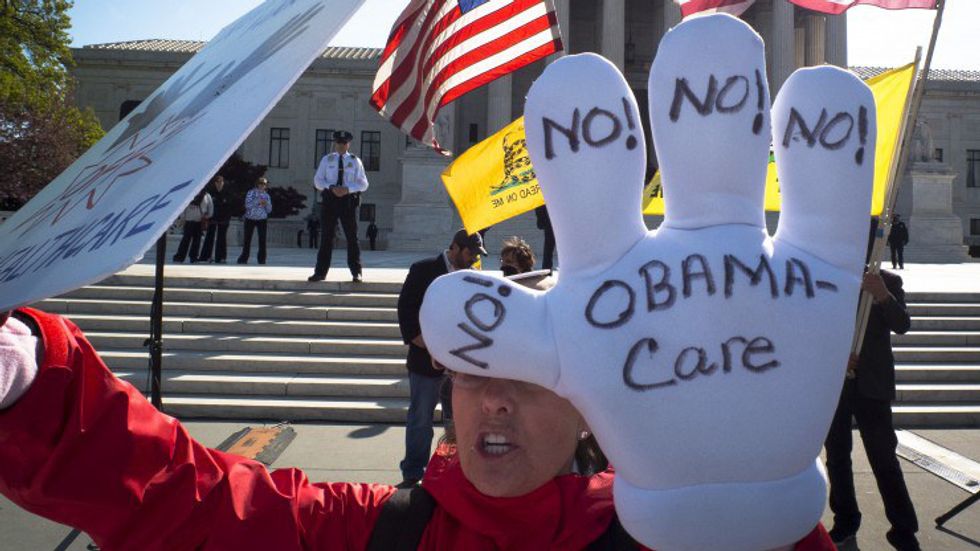
3. Supreme Court decisions on same-sex marriage and Obamacare, ongoing (as of June 15).
The decisions made within the next month by the Supreme Court will determine the future course of this country. The future of marriage, and the future of medicine, rest in their hands. These decisions are interesting to our generation because they will be affecting everyone and shaping our country, for good or for ill. We should be interested in these issues, not just how many points LeBron got in the last basketball final game. Where do you stand on these issues, the left or the right?

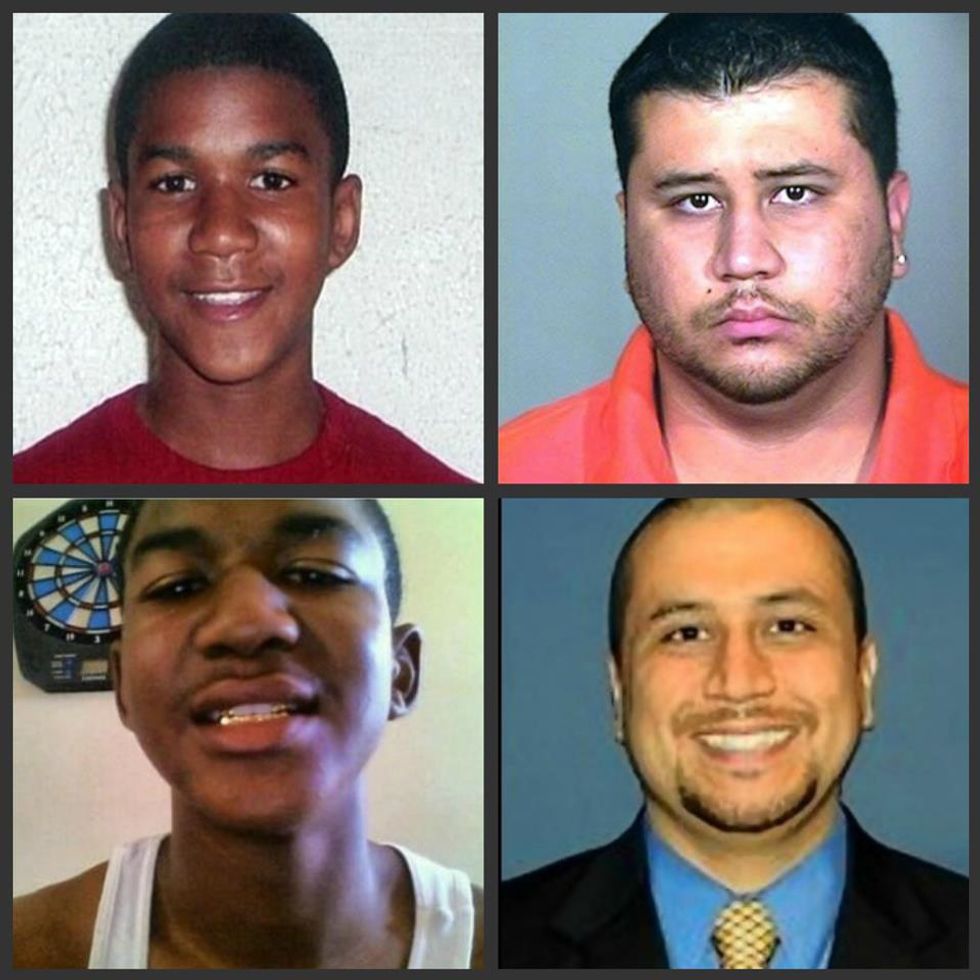
2. Shooting of Trayvon Martin, 2014.
Trayvon Martin was walking home from a convenience store when he was fatally shot by George Zimmerman, who claimed self-defense. Zimmerman was later acquitted of murder charges due to the lack of sufficient evidence.
Media portrayal played a huge role in this case. Take the picture below, for example. In the top pictures, obviously favored by the prosecution, Trayvon looks like an innocent kid and Zimmerman looks like a guilty criminal. The bottom pictures, favored by the defense, show an older Trayvon and a smiling Zimmerman. Both sides used perception, mainly in the form of race, as a main pillar to argue. Just by looking at these photos, could you make assumptions about the character of the men presented?
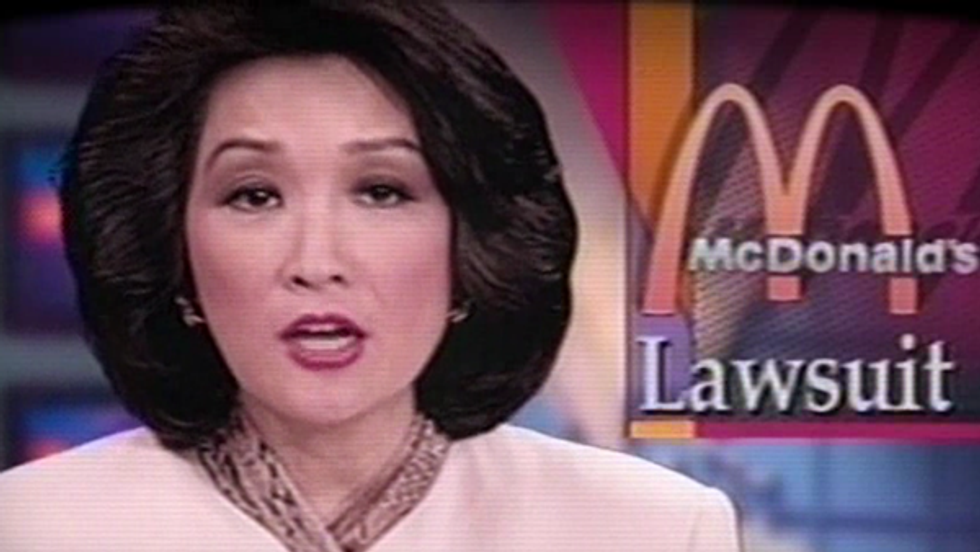
1. Liebeck vs. McDonald's Restaurants, 1994.
Stella Liebeck, 79 years old, suffered third degree burns due to spilled McDonald's coffee, measured at 180 degrees to 190 degrees fahrenheit ,and sued the company.
When people first heard about this law suit, they thought it was a joke. They thought that this would open the floodgate waters for anyone to sue anyone over any matter. Maybe it has. But this case is the most interesting because people do not know the facts surrounding the case. They just assume that her coffee was too warm and burned her mouth a little, and she got almost $3 million for it. Wrong. This woman, due to the decision to place her coffee between her knees, got burned in her pelvic region, had to have skin grafted, and had to be hospitalized for eight days. All that she originally wanted was McDonald's to cover the cost of her hospital stay and the expenses that came from that stay, which seemed insurmountable to an elderly woman like herself. It was only after McDonald's refusal to settle with her that the lawsuit came about. People think it was a silly lawsuit -- because it was. If McDonald's had agreed to just settle with her, none of this would have come about. Is 190 degrees too hot for coffee?
Sources and further reading:
http://www.crimemuseum.org/crime-library/casey-ant...
http://www.hobbylobbycase.com/the-case/the-decisio...
http://www.usatoday.com/story/news/politics/2015/0...
https://en.wikipedia.org/wiki/Shooting_of_Trayvon_...
https://en.wikipedia.org/wiki/Liebeck_v._McDonald'...