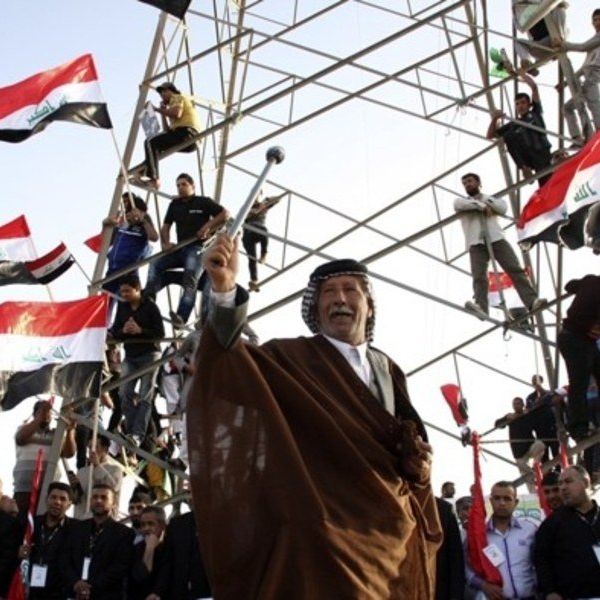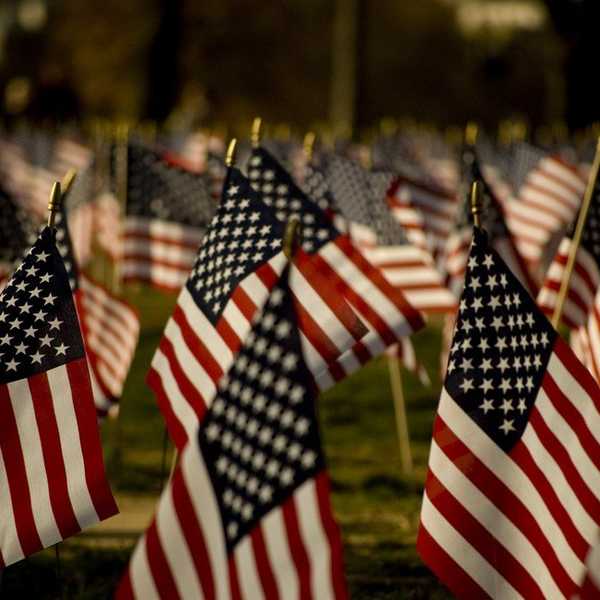

In 2001, on my sister’s 9th birthday, my family and I sat in our living room and watched the Twin Towers of the World Trade Center slowly crumble and collapse on our small TV screen. In 2003, when I was 6 and getting bullied by a girl 3 times bigger than me in my 1st grade class, my family and I watched the invasion of Iraq with desperate eyes, when boots of family, friends, and fellow countrymen entered enemy territory to fight “the war on terrorism.” For years, we continued to watch the fight without an end in sight, as family members deployed for a second, third, and fourth time. In 2009, when I was 12, my family and I flew to the United States capital of Washington D.C. to attend a funeral. During the 4th and final tour of 6 years in a combat zone, a helicopter crashed in western Afghanistan killing 7 U.S. military service members and 3 DEA special agents, one of those special agents a beloved family member.
You could say things for my family changed after that, but the war on terrorism didn’t seem to slow down one bit. That chilly, October day reminded me that death doesn’t stop for anyone or anything.
Growing up as a millennial in the United States, I’ve seen death, destruction, and war since I was born. We have grown up watching the horrors of the 9/11 attacks broadcasted on TV every year in memoriam, and learned from a young age in our history classes what “terrorism” is and who the faces are behind it. We have heard over and over again the politics and conflicts in the Middle East in conversations around the dinner table, and watched young men and women from our hometowns volunteer and deploy to war zones only to come back with nightmares, or never come back at all. We have seen some of the darkest depths of our world, and the absence of hope.
In all honesty, millennials in the United States have grown up viewing the Middle East as “the enemy.” And I used to share this view, until 2009 when a military helicopter went down and changed my family forever. However, losing a part of my family to the “war on terrorism,” didn’t harden my heart toward the nation that had caused so much hurt to my country, my family, and myself, but instead gave me a new-sparked curiosity for the Middle East instead. I wanted to understand why they were "the enemy," and why I used to hold so much anger and hatred towards a place I had never been, and a people I had never met.
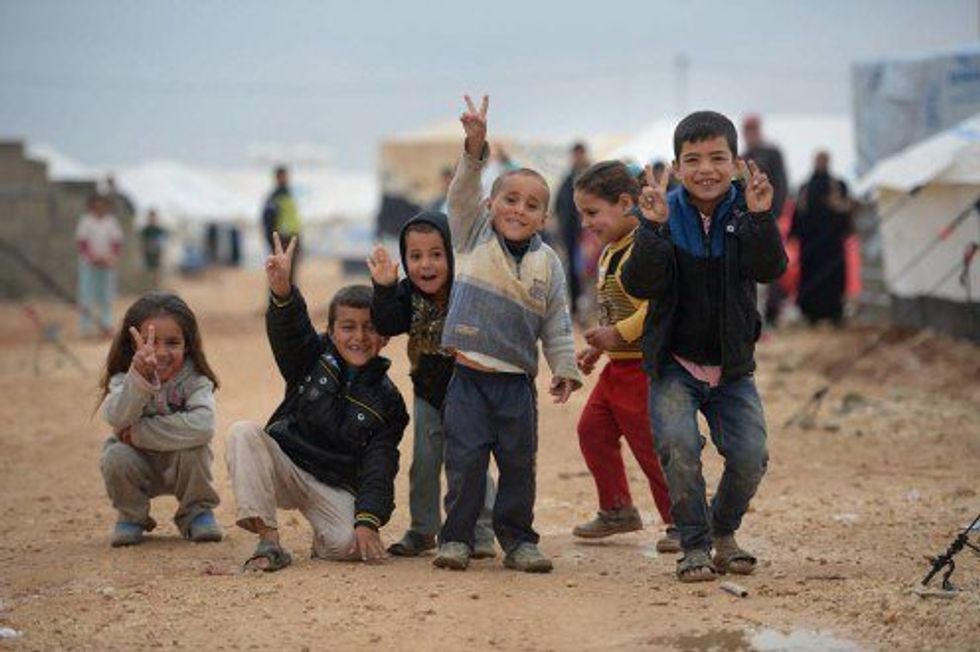
I realized that I unconsciously pinned the Middle East as the “bad guy” for half of my life because that is all I had ever known. But the truth is I didn’t, and I still don’t, have the right to make that judgement. Yes — the Middle East is flawed, but so is the United States. And even though the Middle East has flaws, that doesn’t deem it broken or a lost cause. Just as I have faith in my country, I have faith for reconciliation in the Middle East. And eventually, with a lot of heartache and growth, the curiosity from my experiences with death, destruction, and war lead to a heart for the nations in the Middle East instead.
I recognize that there is a lot of pain to this subject, and I am nowhere claiming that the Middle East is perfect or isn't a place of conflict. I know the sacrifices made first hand and the hurt that comes with loss, and I am extremely grateful and proud of my country and family. But maybe, just maybe, there is something in our attitudes to reconsider towards these nations. Maybe, just maybe, as Americans we can see that our enemy is not necessarily the Middle East, but something bigger.