
The continuous conflict going on in the Middle East (specifically the current issue in Syria) as well as the events that unfolded on a global scale led to the formation of the Islamic State of Iraq and the Levant (ISIS). And they have never before been seen.
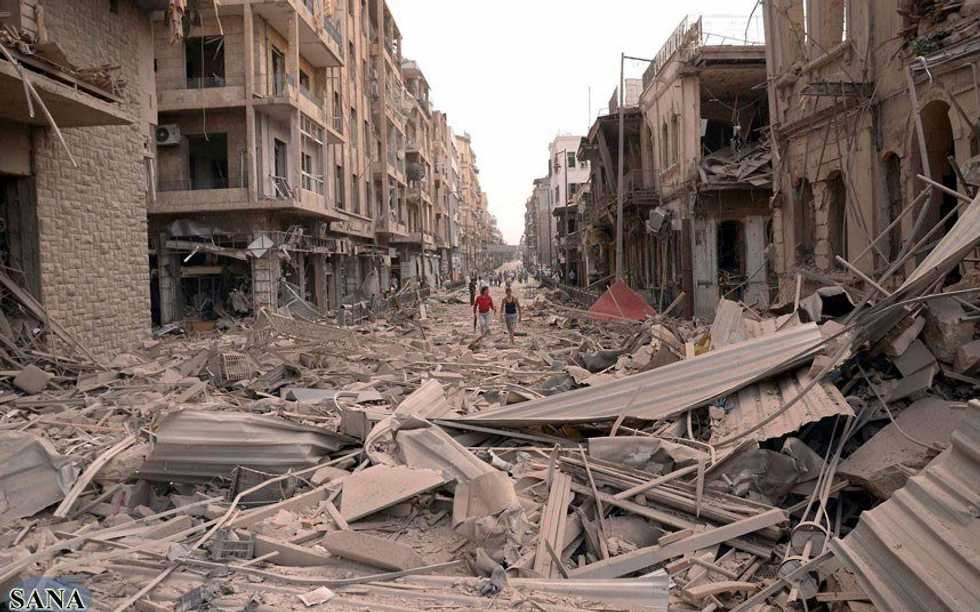
It seems like every day there are hundreds of headlines about horrific beheadings, bombings or sacred cities being destroyed (most recently the ancient city of Palmyra in Syria). Scholars have feverishly debated the alleged causes for the mess in the Middle East. Resource curses, land-locked geographical pressure, Sunni-Shiite tensions and poverty to name just a few. But, what many people don’t realize (especially those in the western hemisphere) is that Middle Eastern conflict dates farther back than the 1880’s when the British attempted to colonize the region. The lack of stability and constant power struggle has been going on for centuries.
It is a region comprised of corrupt politicians, extreme poverty, poor governance and conflicting ideologies. Now, in the globalized 21st century, we are becoming all the more aware of it. Jihad extremists like ISIS are committing so many horrific crimes against humanity that it’s impossible to ignore. However, prior to the terrorist attack on September 11th, 2001, most Americans were generally unaware of the political upheaval and social anarchy that has riddled the Middle East for centuries.
Although our awareness about the issues going on in the Middle East has been heightened (especially through technology), we are still operating from a knowledge deficit. A majority of Americans do not understand the history and culture of the countries in the Middle East. Take the Arabic language for example. Less than 1 percent of American high schools offer Arabic language instruction and of the 2,400 4-year universities in the United States, only 370 offer Arabic. How do we expect to better our relations with people in the Middle East and better understand their origins when we don’t speak the same language? Another example is our lack of understanding of Islam. Islam is the most widely followed religion in the Middle East with around 20% of the world’s Muslims living there. The religion is monotheistic (like Christianity) and has five specific pillars (the creed, daily prayers, almsgiving, Ramadan fasting and the Hajj pilgrimage).
If we do not seek to understand Islam, then how can we begin to defeat an Islamic based extremist group like ISIS? Although our knowledge of the conflicts in the Middle East has become greater in the past decade, we must continue to educate our youth abot the people who live there. As we better understand their cultures and ways of life moving forward, we will be better equipped to aid in solving conflicts when they arise.