
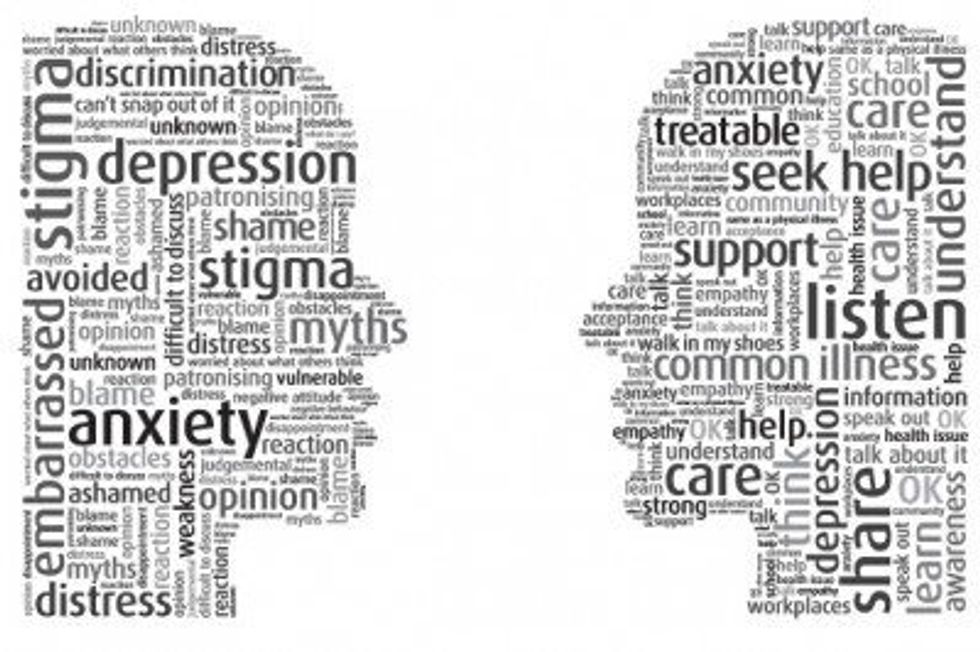
May is Mental Health Awareness Month and it doesn't get enough attention. Mental health is a serious issue but society still seems to not take it seriously. So I thought I'd share some stats from National Alliance on Mental Illness:
One in four students have a diagnosable illness
40% do not seek help
80% feel overwhelmed by their responsibilities
50% have been so anxious they struggled in school
If mental illness is so common, why don't more students get help? Some students can recognize that there is something wrong, but they don't know what services are available to them or are scared to acknowledge it. But a lot of students don't recognize their symptoms and won't necessarily have someone that they are close enough to, to be able to see the warning signs. Some of the warning signs are:
Excessive worrying or fear
Feeling excessively sad or low
Confused thinking or problems concentrating and learning
Extreme mood changes, including uncontrollable “highs” or feelings of euphoria
Prolonged or strong feelings of irritability or anger
Avoiding friends and social activities
Difficulties understanding or relating to other people
Changes in sleeping habits or feeling tired and low energy
Changes in eating habits such as increased hunger or lack of appetite
Changes in sex drive
Difficulty perceiving reality (delusions or hallucinations, in which a person experiences and senses things that don't exist in objective reality)
Inability to perceive changes in one’s own feelings, behavior or personality (”lack of insight” or anosognosia)
Abuse of substances like alcohol or drugs
Multiple physical ailments without obvious causes (such as headaches, stomach aches, vague and ongoing “aches and pains”)
Thinking about suicide
Inability to carry out daily activities or handle daily problems and stress
An intense fear of weight gain or concern with appearance (mostly in adolescents)
Even if a person knows these symptoms and can see that they have or may have some, there's no guarantee that they will go seek help. There is a stigma around mental illness. A lot of people don't think it's a serious disease. I have personally had people not believe that I have anxiety until they see the after effects of it. They don't believe me until they see me in tears, shaking, and scared of something I can't name. Mental illness is not something someone can control. It comes from nowhere and can spike up at anytime. Mental illness is not something you can blame someone for. Society needs to open up its eyes to see the reality that mental illness is a real disease, just like cancer or the flu. If you have a broken arm, you don't just keep going about your daily life, you go see a doctor to get help. Mental health needs to be treated the same way. A psychologist or psychiatrist should be just as widely available as ordinary doctors. A mental illness can develop at any age and every age needs to be able to receive help for it. Someone of any social class should be able to get the proper healthcare for mental illness.
Mental illness should be treated differently and seen differently in society. Someone should not feel less adequate because they have depression, anxiety, bipolar disorder, or epilepsy, to name a few. A person with a mental illness should be treated like any other person with a health problem.
If you think you might have a mental illness, go to your family doctor or go to your campus counselling center or MentalHealth.gov. If you are in a crisis go to the Suicide Prevention Lifeline's website or call 1-800-273-8255 or 911.