

Life can so often get in the way of what is really important. Responsibilities, papers, meetings — the figurative laundry list can be endless. The longer the list, the more frequent the neglect of the subtle necessities. One of the most commonly discarded concerns can be health.
The concept of health seems to carry the connotation of doctor's office visits and prescription medication. Health is contemplated on a daily basis in a number of ways — some may experience headaches and take pain-relieving medication to stop the aching; others may browse a pharmacy in search of the most effective acne medication. Regardless of the nature of the relationship one has with health, the conceptualization of daily maintenance and care is relevant to every single human being, and the end goal is usually to feel good. When obligations and distractions block the progress of health, though, it starts to suffer.
The predominance of health concerns in society today — especially with WebMD at the fingertips of web browsers — should indicate implicit importance and attentive care, but the opposite can sometimes be true. According to a 2011 study by the Centers for Disease Control and Prevention, 69 percent of adults ages 20 and over are overweight or obese. Additionally, the CDC reports that 13 percent of women and 12 percent of men ages 18 and over suffer from poor health due to smoking or other high-risk behaviors.
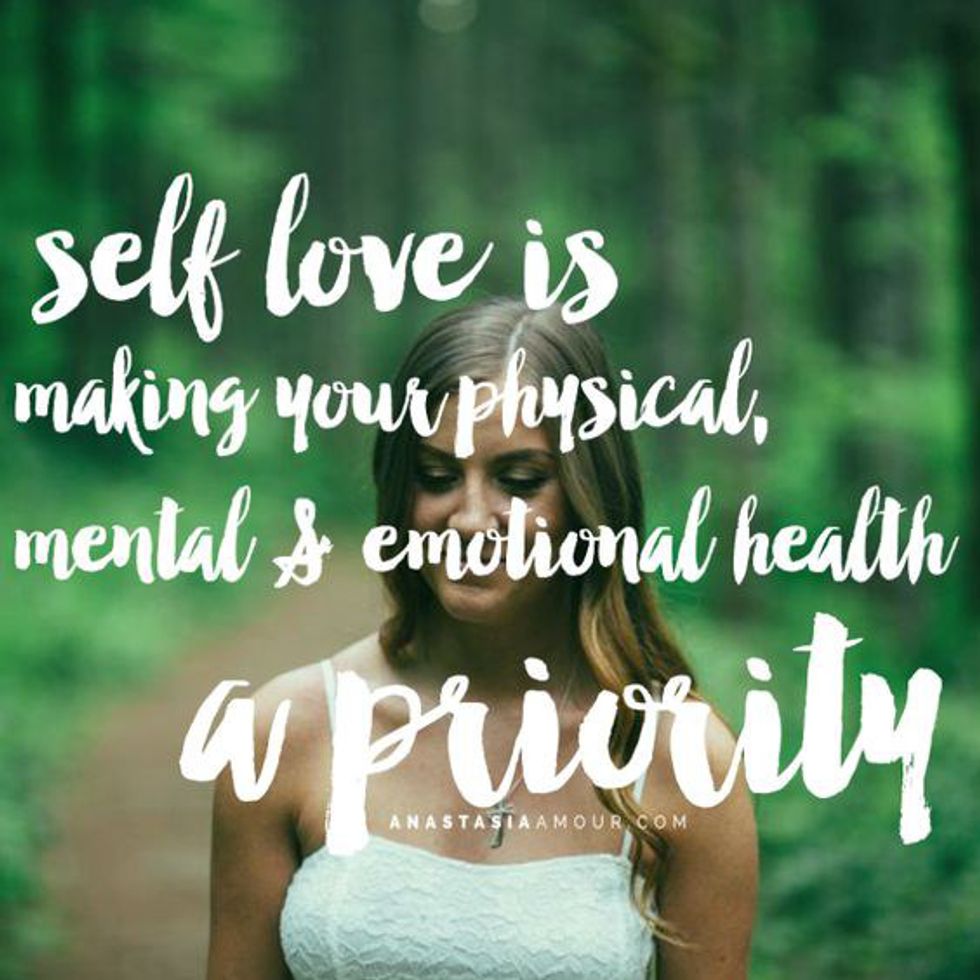
The indisputably crucial need for proper health and habits does not have as limited of a scope as this, though. While there is a widespread acceptance of striving for proper physical health and hygiene, the vocal pursuit of the need for mental health and hygiene seems to be less common. Many people might wake up in the morning and know that in order to prevent an acne breakout, it is necessary to wash their face. Far fewer people might wake up and know that in order to be happy and healthy, they should practice loving themselves even before breakfast. Therein lies the crux of the true basis of health that all other categories should branch off of — striving for mental health and hygiene is just as important as working for physical health and hygiene.
The human body is an intricate and beautiful machine that houses every part needed to collectively provide life. The heart works to pump blood through the circulatory system to every possible destination. The feet attach to the legs to carry the body where it needs to go. The eyes and ears perceive the surroundings of the body. The bladder stores the coffee that is ingested to wake the body up in the morning. Some may not realize that as important as all of those body parts are, a supported and sound mind is just as important. Practicing mental health should be as common as brushing teeth or taking a multivitamin.
Therapist Sharon Martin states that to achieve good mental health, there are a number of different things one can do, just as there are a number of things (such as exercise and proper diet) that can be done to achieve physical health. Some methods of practicing mental health include, but are not limited to, treating oneself with kindness, avoiding comparing oneself to others, being truly present, celebrating success, asking for help when needed and making fun a priority.
This is the diagnosis — society is suffering as a whole both physically and mentally. A strong prescription of continued practice of healthy habits should be administered daily along with a large dose of attention to developing mental health. Neither is more important, and both work in tandem to create health and happiness.