
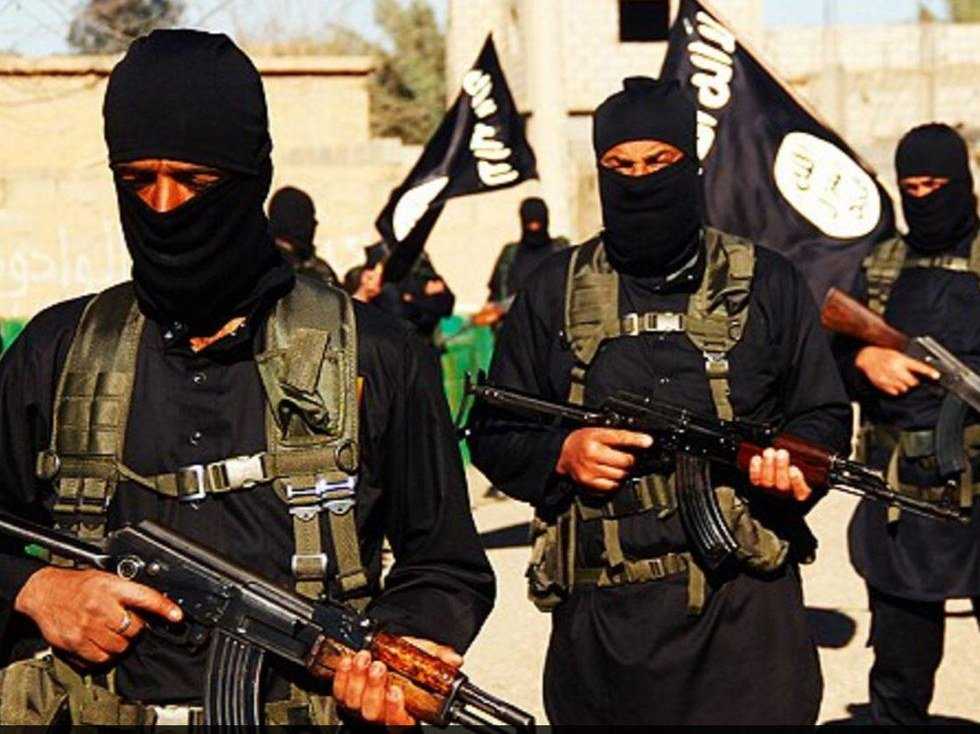
Over the course of the last two years, attacks and offenses carried out by ISIS (the Islamic State of Iraq and Syria) have been increasing with more damage being done as a result. Some of the attacks included holding seventeen hostages at an Australian café, the filmed beheading of an American journalist, the attacks on Nice, France during a Bastille Day celebration, and recently, a wedding in Gaziantep, Turkey that killed more than fifty people. The extremist group has been met with reproach internationally for their crimes on innocent civilians, calling them “savage” “brutish,” and most curious of all, to me, “inhuman.” This last question got me thinking on what exactly it means to be human.
The way I see it, there are three main components in defining humanity: rational thought and concept, freedom of choice, and a moral consciousness. These are not the only three qualifications, but at least in what is known thus far of human nature, they are amongst the most significant.
When it comes to rational thought and concept, sure ISIS may seem illogical and their beliefs don’t hold a lot of water, but this group is rational in accordance to what they believe. They can understand and form certain patterns, especially when it comes to attacks. True, their attacks may be destructive and devastating, but they are not attacking without rhyme or reason. Their fighters may not be too disciplined, but they know when to attack and when not to, and have used social media to an effective extent. Especially during the Bastille Day attack, ISIS knew that it would be a perfect opportunity to catch France off-guard. They were right, even though they did not fully execute the attack; they still did enough damage to shock westerners.
The second premise was an expanded concept of freedom. Although westerners may think of ISIS as anything but free, they do understand freedom, just not the way westerners do. When we think of freedom, we tend to think in terms of politics (speech, religion, press, etc.) and economics. ISIS, on the other hand, has demonstrated their freedom of choice by choosing to do horrible things. It is true, however, that most of the members have been brainwashed into their ideologies; but isolated incidents of rape, murder, and other such activities have been left alone to the volition of individuals. Despite how horrible their doings may be, we can at least say that they are choosing to do a lot of these actions, and choice is central to human behavior.
The third premise is a moral consciousness. As mentioned before, the activities of ISIS are nothing short of horrifying and cannot be excused or looked over, but they do follow a morality of their own. Morality does not always have to be what exactly is good universally–it can also be minimized to what an individual or a group believes is good. In the case of ISIS, they do adhere to a certain set of beliefs, which they believe is correct and ultimately good, even if not by the standards of westerners. Members of ISIS have been taught to kill any and all non-Muslims and people who do not agree with them fully, and the fact that they have shown loyalty to such a cause shows that they are aware of what they are doing. Despite coming off as showing no morals towards anything or anybody, this is something that they truly believe in and are conscious that what they are doing is for the greater good.
In conclusion, despite how horrible and unforgiving the acts of ISIS may be, nobody can debate their humanity. These three premises may not be all there is to humanity, but they have been deemed some of the most significant qualities a human has. Admittedly far different than ours, the morals, choices and rationality of ISIS operate no differently than anybody else’s; after all, the freedom of choice does include the freedom to do horrible things. Besides, the morals of America, China, Russia, and many other countries are not crystal clear themselves.

















