
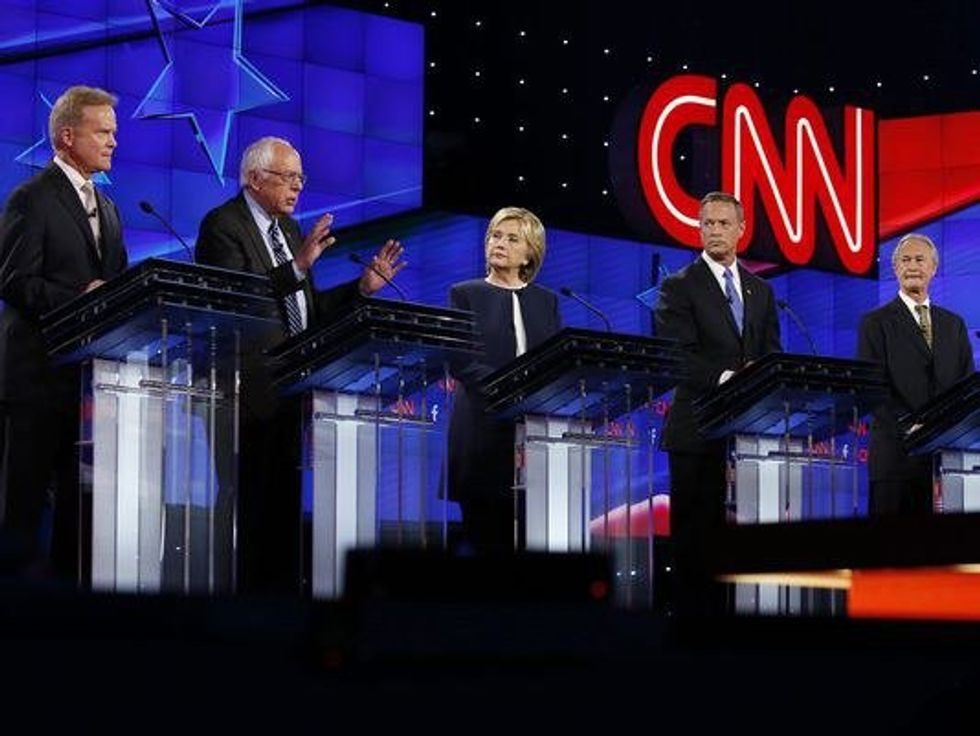
If you tuned in for the first democratic debate last Tuesday, you may have noticed something odd: the Democrats are not nearly as entertaining as the Republicans.
There are a couple of reasons for this: for one, there were fewer candidates on the stage and none of them was Donald Trump. There were also far fewer verbal jabs and shouting matches, which was partly because the Democrats this year all have fairly similar views on most topics. In addition, Anderson Cooper did an excellent job as a moderator and was able to keep the candidates in line with an array of sassy remarks.
Here are the five major candidates and a quick summary for each; they are ranked in order of their polling numbers as of the most recent CNN debate.
Hillary Clinton (New York)
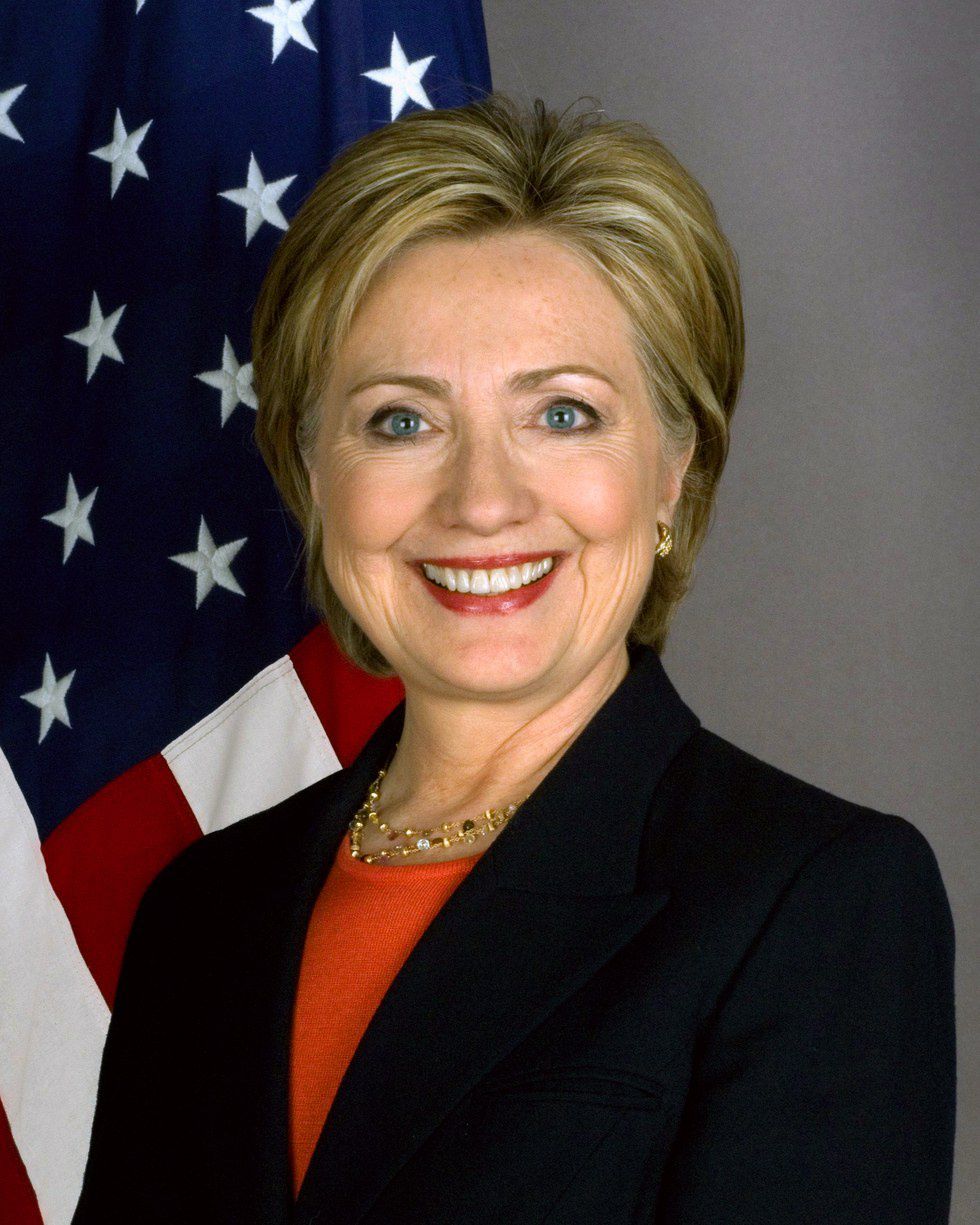
Why she might be the Democratic nominee: Clinton is by far the most popular and reliable candidate for the Democrats to nominate. As a moderate, she has a broad appeal to both liberal and independent voters. She also has a lot of political experience, having held several important positions including Secretary of State, Senator of New York and of course, First Lady. In terms of her platform, Hillary tends to lean to the left on economics and somewhat to the right on foreign policy. Some of her goals include growing the middle class by investing in infrastructure and clean energy, guaranteeing college access to young people and expanding background checks on gun purchases. In the first Democratic debate, Hillary seemed to be aiming to portray herself as a friend and successor to President Obama. Clinton’s critics generally say that she lacks transparency (as evident by her not-so-recent email scandal), and that she is simply another politician who will say whatever is necessary in order to win the nomination.
How she's doing with Conservatives: Conservatives generally dislike Hillary as much as they would any other Democratic candidate. Her strong anti-gun stance and tax-the-rich economics plan are especially likely to turn away conservative voters. However, she has the potential to win over a lot of independents with her (more) moderate positions and foreign policy strength. While her policies may be liberal, they are generally much less extreme than those of her two closest rivals.
Senator Bernie Sanders (Vermont)
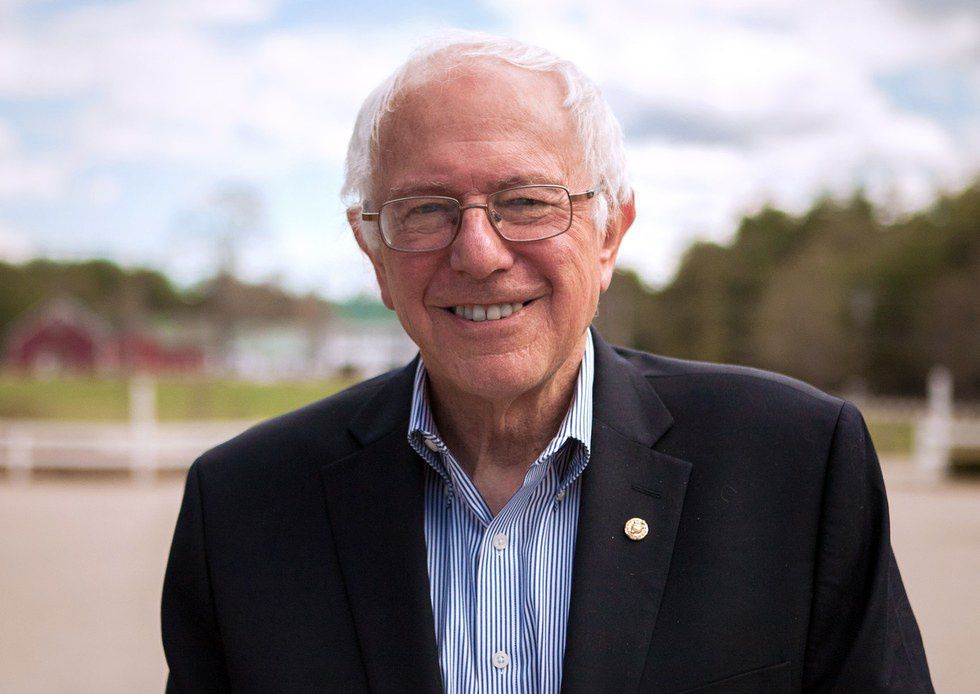
Why he might be the Democratic nominee: Sanders has rapidly been gaining popularity and respect since he launched his campaign in April. He is primarily known for his consistently progressive stances on issues and his populist campaign. Bernie has earned a reputation for being the people’s candidate with a campaign funded almost entirely by small donations of under $200. Over the past two decades, he has served as both a Representative and a Senator of Vermont. When it comes to the issues, Bernie is clear about his priorities: break up the banks and tax the wealthy, take strong action against climate change and reform campaign financing to end political corruption. Although he has been viewed as an underdog since the start of his campaign, Bernie has shown promise by inspiring millennial voters who are otherwise known for their political inactivity. Sanders also performed well in the first Democratic debate, earning himself a new wave of donations and media attention. However, the debate also revealed his main weaknesses, which are his lack of foreign policy experience and narrow appeal among moderate voters.
How he's doing with Conservatives: The fact of the matter is, Bernie Sanders is a democratic socialist. He is not trying to win over moderate conservatives, and he would probably have to compromise his message in order to do so. Bernie’s position on economic reform should be especially unpopular with conservatives, as it calls for drastic changes to wall street and the banking industry. The one issue that may earn him some sympathy is gun control; despite being the most progressive democratic candidate, Sanders is conspicuously moderate when it comes to this issue, drawing an important distinction between guns in cities and guns in rural areas.
Martin O’Malley (Maryland)
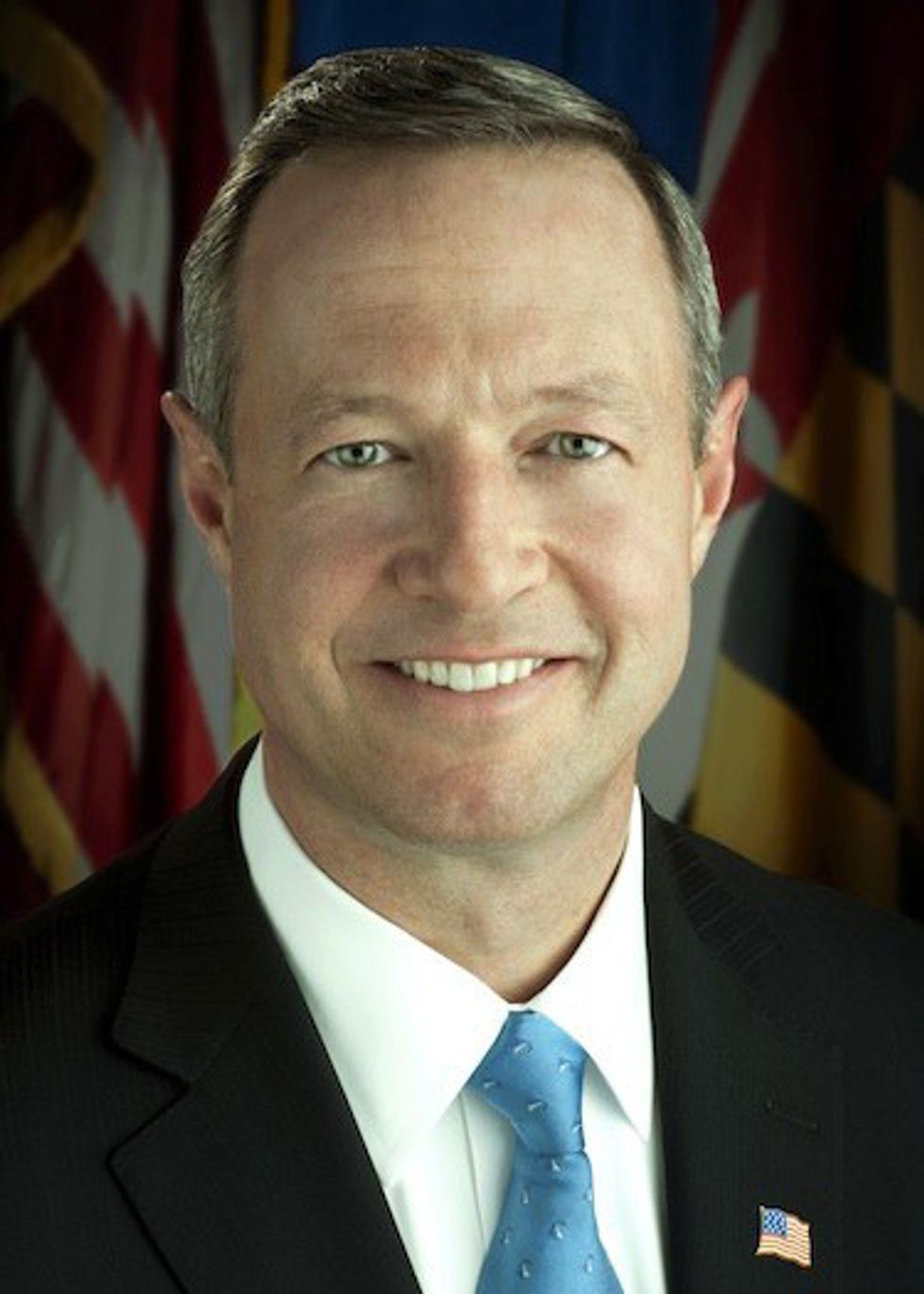
Why he might be the Democratic nominee: Thus far, O’Malley has not enjoyed the media attention that Hillary Clinton or even Bernie Sanders has, and it has shown in his poll numbers. He falls somewhat to the left of Clinton on most issues, and in most elections would be seen as the progressive candidate. Unfortunately, Sanders has already been deemed the standard bearer for the radical left, leaving O’Malley in an awkward middle position. O’Malley has served as Mayor of Baltimore and Governor of Maryland, a strong background which he drew from often in the first debate. Some of the governor’s main goals include: college affordability, employment for veterans and investment in renewable energy. O’Malley definitely picked up some steam in the first debate, portraying himself as an experienced, responsible reformer. He tried his best to differentiate himself from Hillary, calling her out for being too moderate on a number of topics. His closing statement was also very memorable, in which he pointed out the tolerance and maturity shown in the democratic debate in contrast with the hostility of the republican one.
How he's doing with Conservatives: O’Malley, like the two candidates below, is largely off the radar of the general population. His most appealing quality for conservatives is probably his strong experience with crime and policing, but it is too early to say much more about him.
Senator Jim Webb (Virginia)
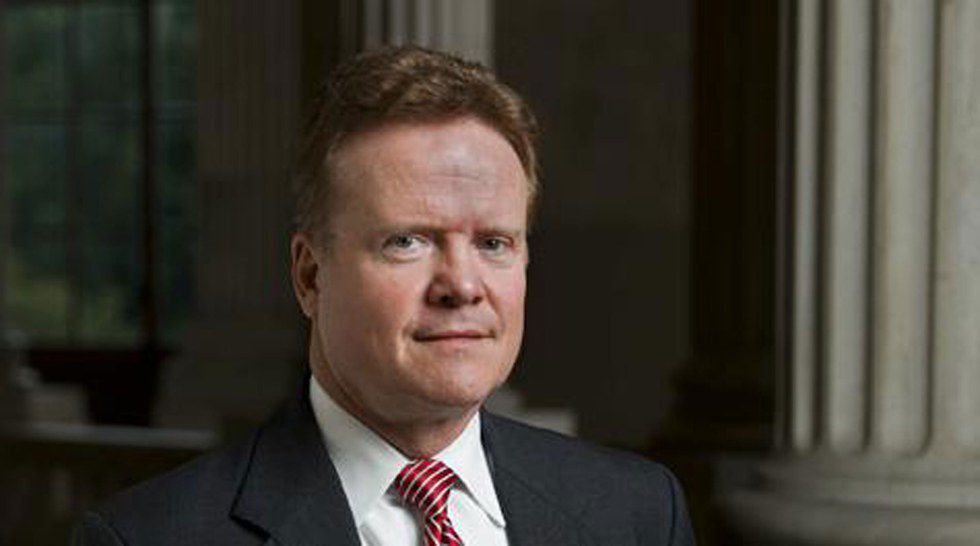
Why he might be the Democratic nominee: Webb, like O’Malley and Chafee, has not seen very much coverage in the media as of yet. This is mostly because his campaign lacks the connections and financial support of the bigger candidates and partially because Clinton has already secured the role of the moderate Democratic candidate. Webb does have some important political experience, having served as Senator of Virginia and Secretary of the Navy in the past. His deep understanding of the American military could be appealing to voters of both parties, especially when many of the current front runners lack foreign policy experience (Trump, Carson, Sanders, etc). Webb also gives off a genuine air of patriotism that his fellow democrats seem to lack. His main goals are to strengthen the middle class by building up infrastructure and simplifying the tax code. His plan for economic reform is much more moderate than those of his fellow democrats, and involves closing existing loopholes rather than changing the entire system.
How he's doing with Conservatives: Ironically, Webb’s appeal to independents and conservatives seems to be his biggest strength. As a former republican and military leader, he seems much more likely than Bernie or Hillary to work with both parties and find common ground. His loose stance on gun control and military service could easily win over some republicans in a general election. For these reasons, I think that Jim Webb would be a good choice for a vice presidential running mate, even if his chances to win the nomination are slim.
Lincoln Chafee (Rhode Island)
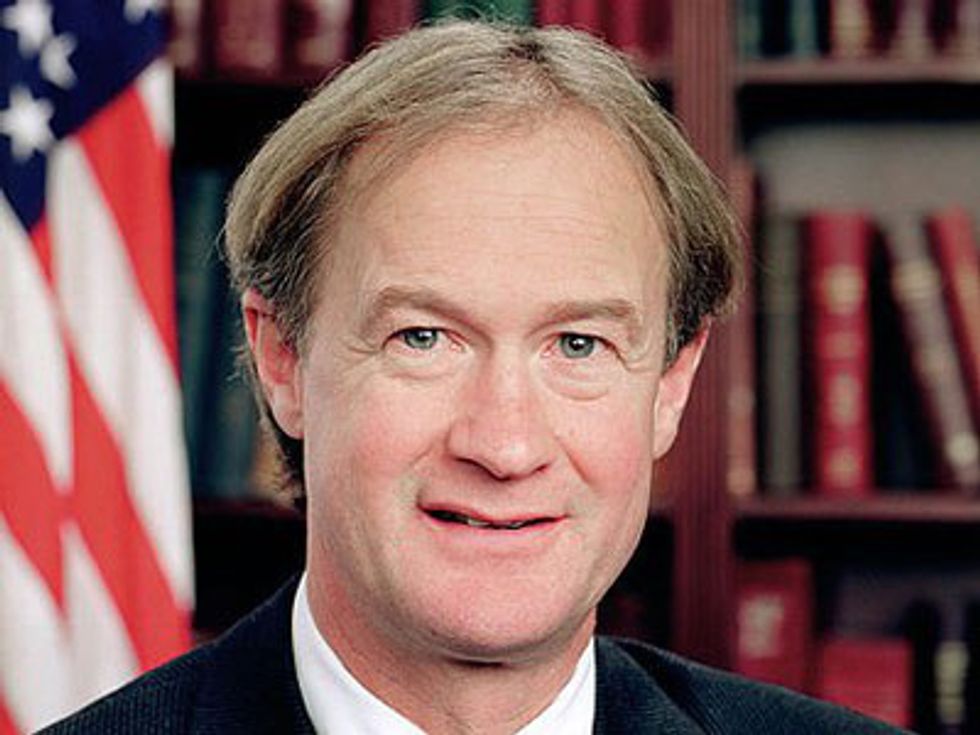
Why he might be the Democratic nominee: To be honest, he's a long shot. Chafee has seen the lowest poll numbers of any of the democratic candidates, and his performance in the debate, his first chance to make a larger impression, was lackluster. Like many of the other candidates, Chafee has served as both a Senator and a Governor in his home state. His most notable positions are his strong emphasis on environmental stewardship and his staunchly anti-war voting record. He used the latter to criticize Hillary Clinton several times during the first debate, attempting to portray her as overly-aggressive on foreign policy.
How he's doing with Conservatives: Chafee is another former-republican, although he claims that his views have remained the same throughout his career. His economic policies are more moderate than other democrats, but his peaceful stance on foreign affairs will probably be unpopular with republican voters.