

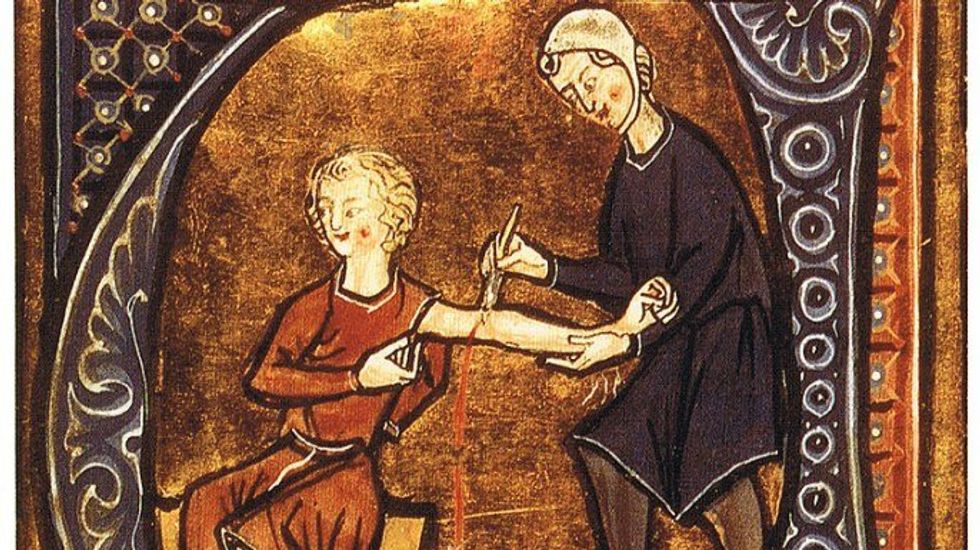
I'm no Ben Carson, and medical school was never an option. I probably know as much about the human body and its ills as the next guy, but I doubt it takes a masters degree in medical science to recognize these practices as downright ludicrous, with a dash of scary.
1. Stop stuttering today!
In the early 19th century, a German surgeon, Johann Friedrich Dieffenbach, believed that he’d devised the cure to stuttering by removing a quarter of the tongue; a hemiglosectemy.
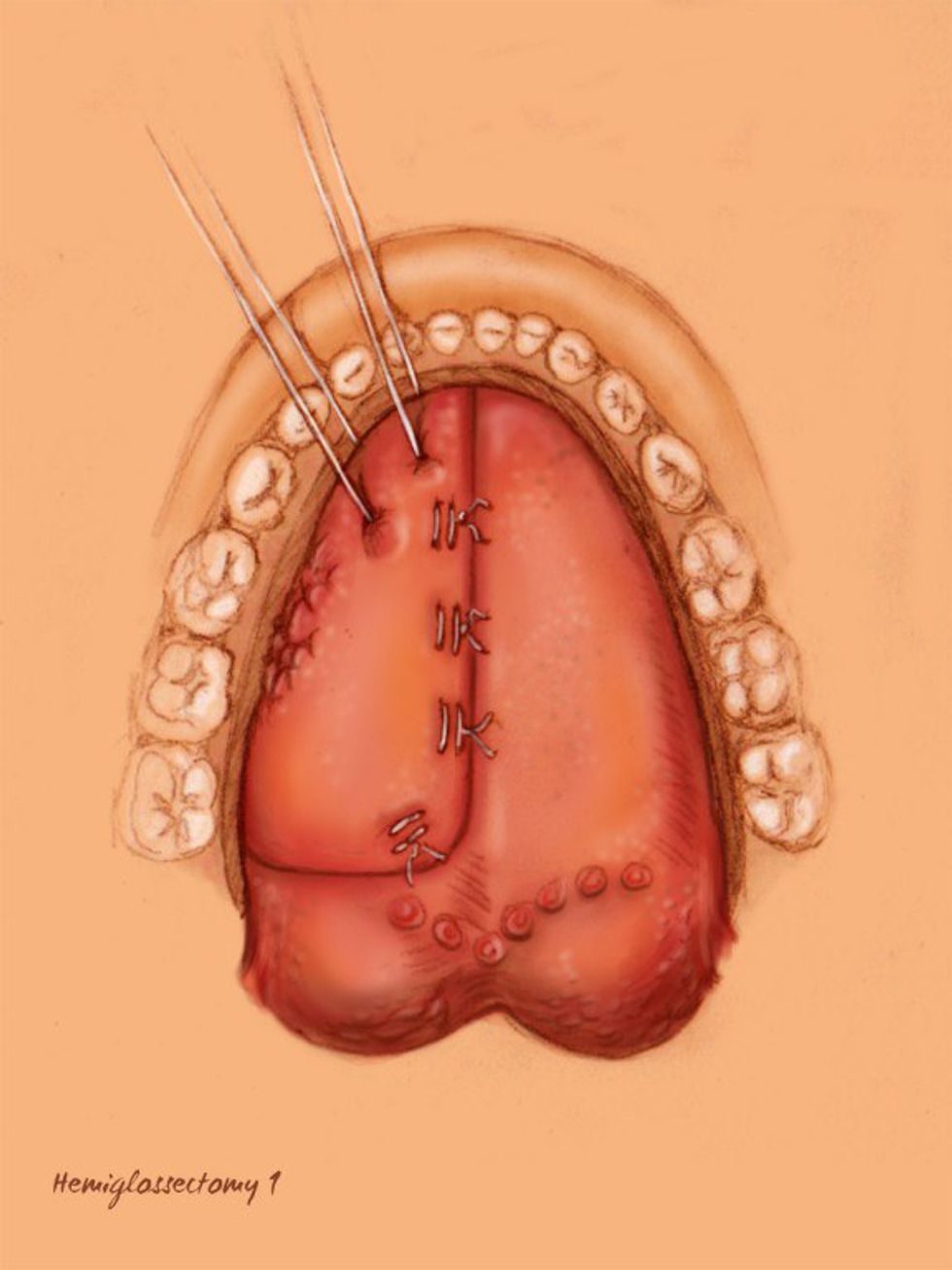
Although hundreds of poor stuttering souls sought his revolutionary treatment in the border towns of Germany and France, many of them bled to death, and his hypothesis was never proven to be true.
These days any portion of the tongue removed by a surgeon is done so to eliminate cancerous growth, a bit more sensible.
2. Medieval hemorrhoids
During the Middle Ages, if you didn’t fervently pray to Saint Fiacre (pronounced fee-ack), the patron saint of gardening and hemorrhoid sufferers, a dutiful and wise physician would assign you a single dose of “heated iron rod” taken via the rectum.

Some years later, a Jewish physician, started prescribing something a little more convenient, a soak in the bath.

3. Heroin lozenges
Two years before the outbreak of World War I, America was home to scores of coughing children. What were parents to do, but take Bayer up on their advertisements for Heroin, a be-all-end-all of those pesky flu symptoms?
Needless to say, people started showing up to the drug store in droves, looking to stockpile their precious cough medicine.

Even after the government required that heroin be a prescription-based drug, the masses still needed their fix, and so a federal ban on the substance ensued.
4. Roman whitening strips
Only God knows why any ancient Roman decided to leave a bowl of urine out for an extended period of time, but in doing so, it was discovered that urine becomes ammonia – a powerful cleaning substance.
So, Romans took to the streets, to the baths, and their dense mirrors, to brush their teeth with urine-based ammonia.
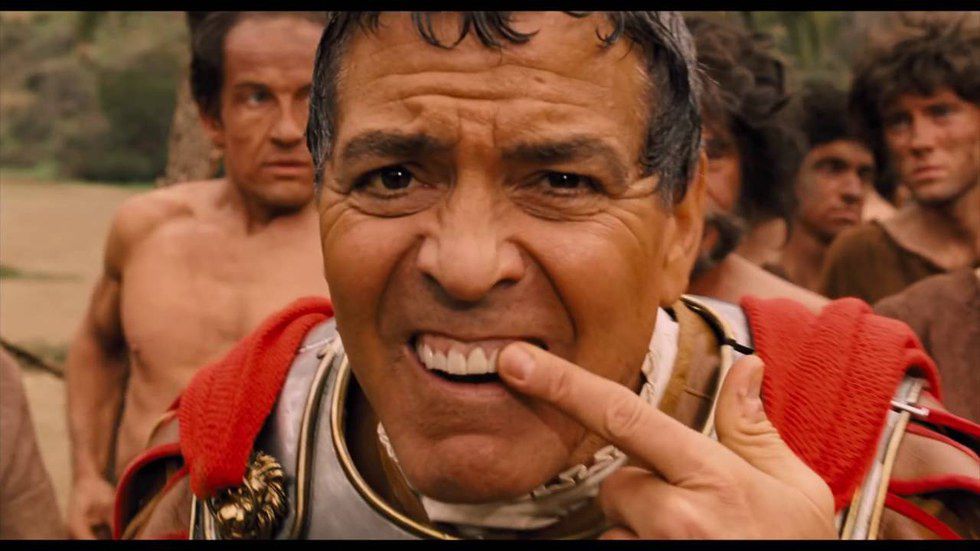
Only it didn’t stop there. Ancient Romans ended up scrubbing their hair with it, their fingernails, and other ungodly crevices before arriving to the conclusion that any form of pee is a rather disgusting substitute for “Roman soap;” which was the process of massaging oil into the body, and then scraping it off with a strigil, but that’s a different story.
5. The medicinal properties of the dead
These instances are chapters in the “Cannibalistic Method” in which medicine was brewed with the belief that in consuming part of the body, one consumes a piece of that body’s spirit, and spirit is good for general health. Right?
a. Speaking of ancient Romans, while scientists and doctors still search for the answer to this question, the denizens of Rome believed they’d already had it – can epilepsy be cured? Well sure, says your resident Latin-speaking doctor, just consume the blood of a gladiator.
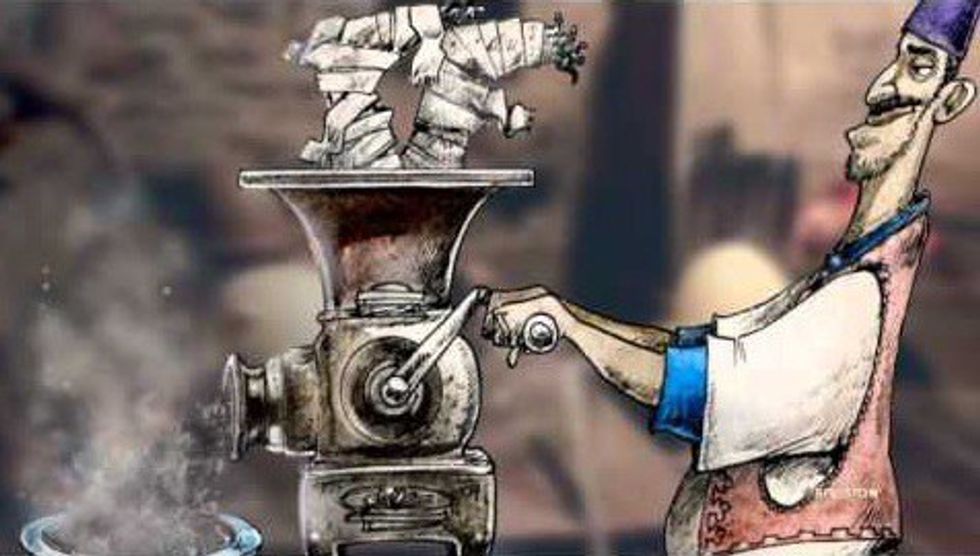
b. Is it the year 1126 AD, and your medicine cabinet lacking a vital item? Take a stroll to your local apothecary and ask them if mummy powder is right for you. During the Crusades, paired with European incursions into Egypt, bandits and soldiers would rob tombs of their mummies, and twisted old men in heavy cloaks would mash the linen-wrapped corpses into a medicinal powder, meant to treat everything from a headache to an upset stomach.
c. Perhaps you’re King Charles II, and you need a pick-me-up, well since you’re a king, you get “King’s Drops,” a concoction made of crushed human skull and alcohol.
Medicine has come a long way since the birth of civilization and the tumultuous steps that were taken thereafter, at least now, if you've got a cold, you won't be fed the mashed remains of an Egyptian pharaoh, or develop a schedule 1 drug addiction.