
We are familiar with the media created Trump narrative: people blame media for giving him too much free media exposure which led him to where he is today. But, the narrative is a little ironic when we pay a close attention to why media are obsessed with Trump.
The media covers Trump for profit.
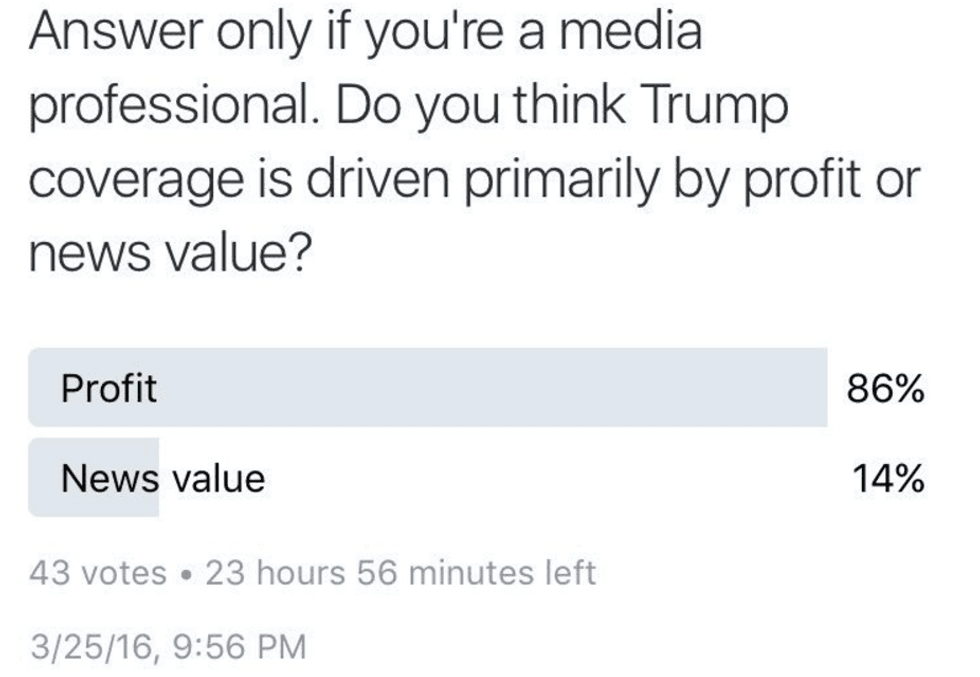
Last week, Patrick Ruffini, a Republican strategist, made a poll on twitter and asked self-described media people whether they cover Trump for profit or news value.
A day passed, Ruffini found that 86% of self-described media people think they cover Trump for profit.
Why is covering Trump profitable?
Because it increases pageview.
Many news organizations are still unsure how to make money in the digital ecosystem where people are unwilling to pay for news contents. The most revenue still comes from print and online- advertising (though some organizations started testing new ways of earning revenue.) Media have been forced to create click-worthy story that increases pageview, and Trump stories are the good one.
Donald Trump's taste for well-done steaks is disqualifying
‘The Simpsons’ predicted a Trump presidency 16 years ago tomorrow. The writer
Explains why.Trump Says He Was Just Joking About Hating Women
Right?
Sending "want Trump more" message
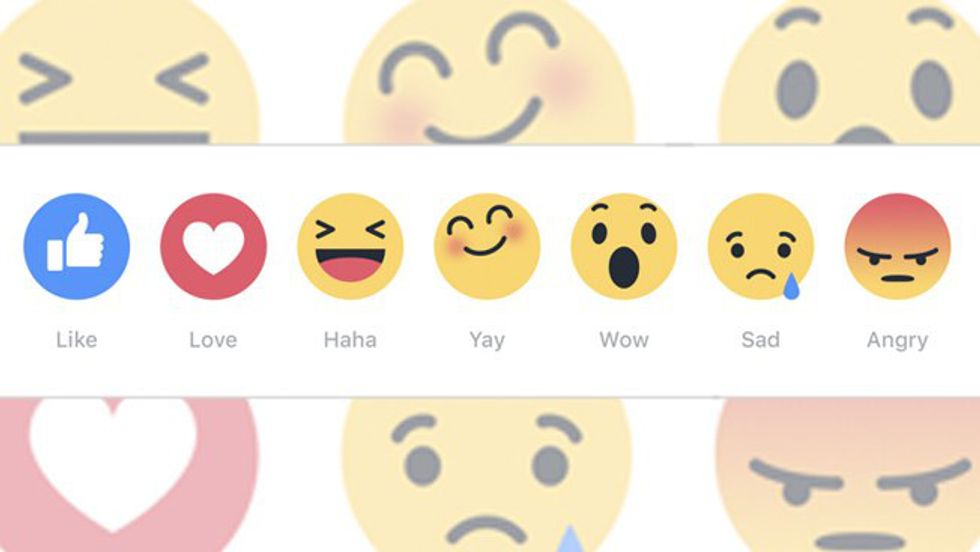
When we interact (click links, share, like or react) with digital contents, we are sending to media the message: we like the coverage, and our message might be helping their next pitches. With the click-worthy theory, how you interact: using "Yay" face or "Angry face" doesn't matter. The point is if you do or do not. Even if we don't want Trump on our timeline and put the angry face on it, we are still interacting: sending the message.
In the digital era, publishers are not looking at circulation numbers or tracking linear broadcasting data to measure their success, but audience interactions across all its platforms. For example, BuzzFeed explained that they focus on pageviews and content views, "views of BuzzFeed content (videos, articles, lists, illustrations) regardless of the platform on which it lives," to measure BuzzFeed’s audience.
We created Trump
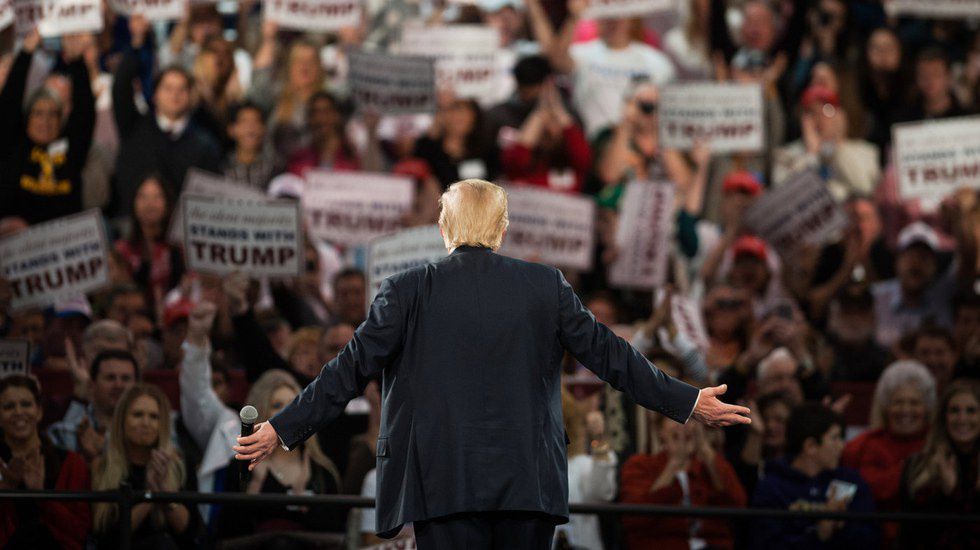
If media are reporting based on the interaction with us, we are anyhow making decisions of the coverage. With the theory, if we blame media for their coverage, ironically, we are blaming ourselves indirectly.
Although it seems media only work for making money and lost journalistic integrity to serve public interest, maybe it's too early to say that. This is the problem of timing. The New York Times noted that the financial situation of media industries intertwined with the journalistic and political stakes. When the industries are struggling financially: unsure how to make profit though digital-first reporting, this extraordinarily unique candidate who is the king of clicks (that increase revenue) suddenly dominated our attention. Covering Trump is one of the ways that the industry may survive temporally.
Influence the coverage?
You might be able to influence the media coverage controlling your interaction with digital contents. If you want more Trump for your daily news updates, interact with his related contents; if not, don't. Ignorance is also a message.