

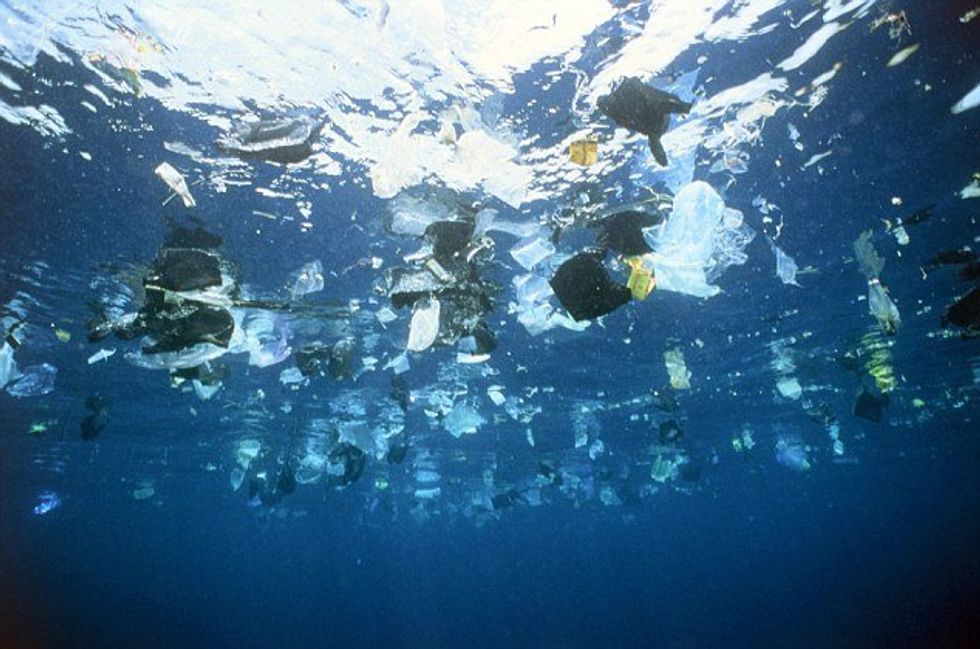
Plastics are an essential component of daily life for many modern humans, being used in a variety of materials, both household and industrial. However, one huge problem with most plastics is that they are not biodegradable. This means that they persist in various environments, including marine ones, for decades at least, and even centuries in some cases.
This problem continues to be exacerbated, not only in the United States, but all across the world. For example, floating particles of plastic debris have increased tenfold over the past decade. In the Southern Ocean, plastic debris has increased 100 times since 1990s, and around the British Isles, the amount of plastic wastes in waters has increased three to four times that from ten years before. Approximately 80 percent of plastics come from land-based sources such as litter, industrial discharges and garbage management, while 20 percent comes from ocean-based sources like commercial fishing vessels, cargo and cruise ships.
Naturally, this tends to have an adverse impact on marine environment. Over 187 marine species are shown to ingest plastic pieces. Plastics are photodegradable, meaning they are broken down into microscopic particles by light, but the composition remains the same, so it is not actually removed. These particles are swallowed by fish and other organisms, which means they enter into the food chain and can transfer toxic substances into these animals. Large plastic nets and wires can even lead to entanglement. Coral reefs can be harmed when bits of plastic eventually accumulate, and almost 100 percent of marine carcasses of relatively large organisms have evidence of plastic ingestion. Small micro-organic pathogens live on the plastics, which enter the fish when ingested and can harm their intestines. Plastic pollution can also damage other marine life habitats.
There are also economic impacts of this type of marine pollution. Floating plastics can lead to vessel damage and boating accidents. Plastic littered around beaches ruin the scenic beauty and reduce tourism. The cost of cleaning up plastics is also time-consuming and quite expensive. In addition to all of this, plastic littering in rivers and inland lakes drastically reduce fishing because many fish are being killed by pollution.
The problem has to be treated quickly, otherwise there will be a serious deterioration in the quality of marine water and an increase in the harm done to the marine food chain, which also affects humans. Governments need to authorize stricter laws to control plastic dumping and commence large-scale cleanup operations to reduce the amount of plastics in oceans. Biodegradable plastics, which have been developed recently, should also be used on a larger scale. However, it will be extremely difficult to remove the micro-plastic particles already existing in ponds, rivers and oceans.
On an individual basis, we can't really do much to improve this situation directly. However, refraining from tossing plastic into bodies of water and disposing of them in proper fashion, and by recycleing, can be a very effective first step!