


Fighting to keep your demons down while keeping your GPA up at the same time can become all too real when struggling with a mental illness. But keep fighting, fighter! After facing, honestly, a bit of a laundry list of diagnoses over many years, here's the best advice I can offer for coping with mental illness while trying to get that degree:
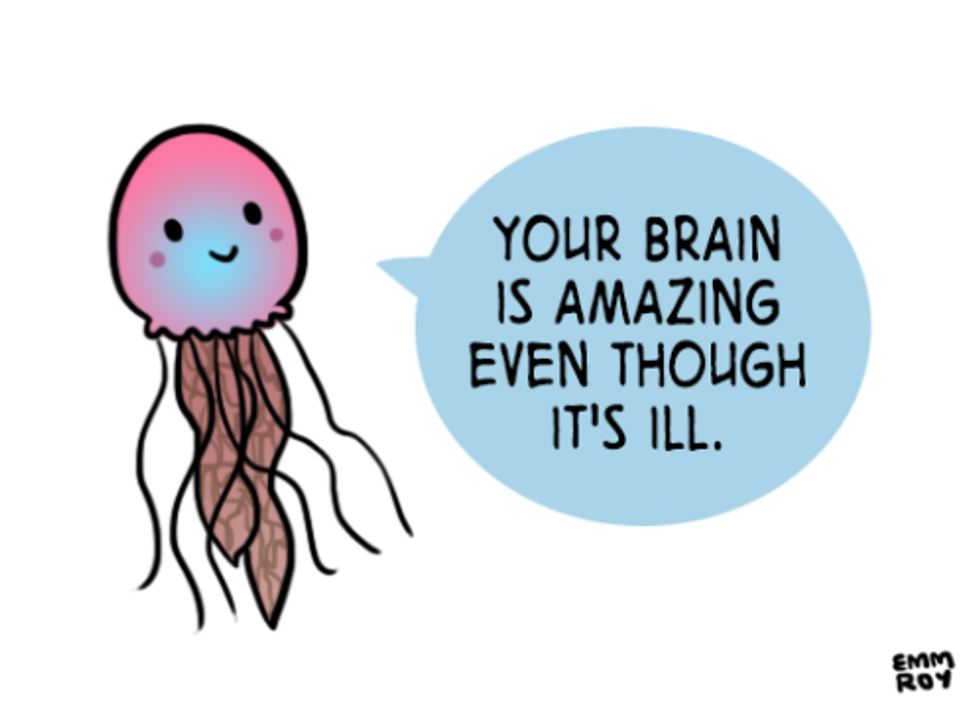
1. Don't be afraid to ask for help
I cannot stress this enough. In college, there are so many resources at your fingertips. The trick is that it's up to you to take advantage of them. The first semester of my sophomore year, I finally cracked and frantically emailed my amazingly helpful and wonderful academic advisor in the middle of a complete meltdown. With his guidance, I was set up with a counselor who I still see bi-weekly, got my ADA accommodations figured out with academic support services, and caught up on all of my work at scheduled times in my advisor's office. I had to work my butt off that second half of the semester, but I ended up able to salvage good grades and a relatively sane brain. These steps I took ended up being the biggest weight off of my shoulders possible.
Also, giving your professors a heads up when you find yourself in a bad funk can feel embarrassing, but knowing that they understand you're struggling and not a just a "bad student" is comforting in the end. If you're uncomfortable speaking to them about it in person, shoot them a to-the-point email. Not a lot of professors will respond negatively. I have found that many try to be as understanding as possible and express their desire to help in any way. My advisor, my counselor, the teaching and learning center staff, and a few select, caring professors have been essential support systems here. Plus, when in your adult life are you ever going to find free counseling again? I'm a strong believer that even the most stable, neurotypical person could use a healthy dose of therapy.
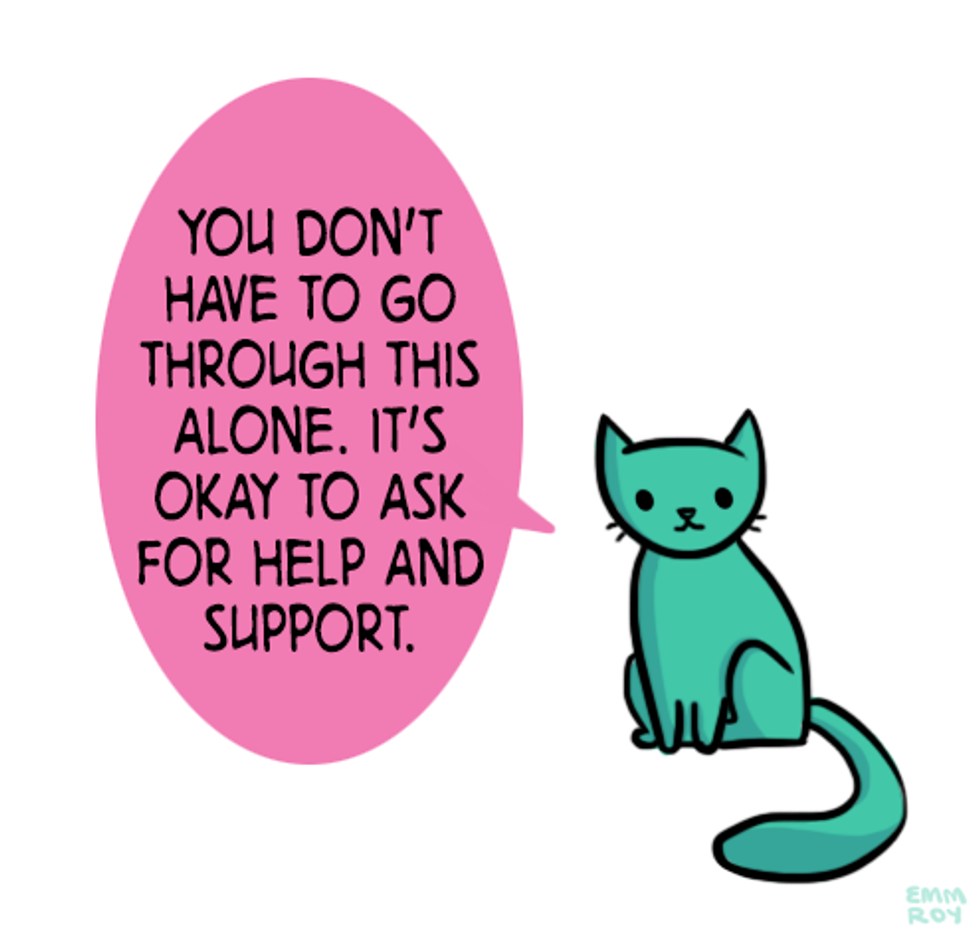
2. Practice self-care religiously
Get out of bed. Take a shower. Please take your medication consistently, if applicable. Move around in some way. Sometimes those things seem like the end of the world compared to staying under the covers, but just do it. You WILL feel better. Those are just the basics. Next, know exactly which coping methods work for you. If you're not sure, experiment with different ideas. They can be as simple as watching trash TV to writing intricate novels. Learn your methods and memorize them. In fact, write them down. I keep a list of things that make me feel better when I'm having some sort of episode in a personal mental health journal, and I try to write in it daily. These kind of journals are really useful tools if you have trouble organizing your thoughts, get your days jumbled together, or tend to feel disassociated at times. Plus, you can plaster them with cute stickers.

3. Know your limits
One of the greatest acts of self-care you can practice is acknowledging when you need a break. Understand what things trigger you, if any, and avoid them when necessary. Learn how to say no. If you aren't feeling well, don't bite off more than you can chew. Make reasonable goals for yourself without setting strict expectations. Focus on what you did well on any given day rather than what you think you messed up. If you need some alone time, spend some time alone. Obviously locking yourself in your room and not going to class is going to turn into a fast track to dropping out if done excessively, but know when you need to take a personal day. And for goodness' sake, get a good night's sleep if you can help it. Aim for eight hours. Working on regulating a healthy sleep schedule was something I laughed off for years. Don't do it.
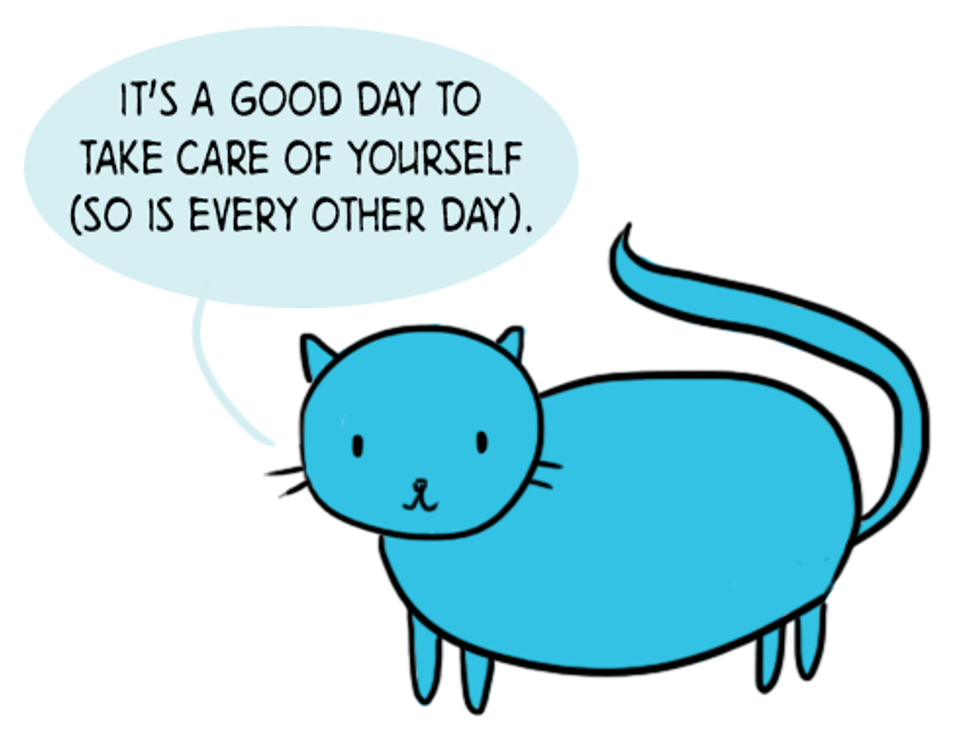
4. Remember that you're not alone
Many mental illnesses are invisible disabilities. I guarantee that there are people you walk by every single day who know how you feel, at least to some degree. I've had friends, sorority sisters, and even professors disclose mental health issues that I would never have known by looking at them or by simply knowing them on a surface level. Again, utilize support systems that your college puts in place for you. When you're feeling really low, it's really easy to feel like a burden to everyone around you. You're not. Those who really care about you will never feel inconvenienced over helping put a smile on your face. If all else fails, I will always personally be around to lend an ear whether we know each other or not. I care. More people in your life care than you possibly realize. You are loved.
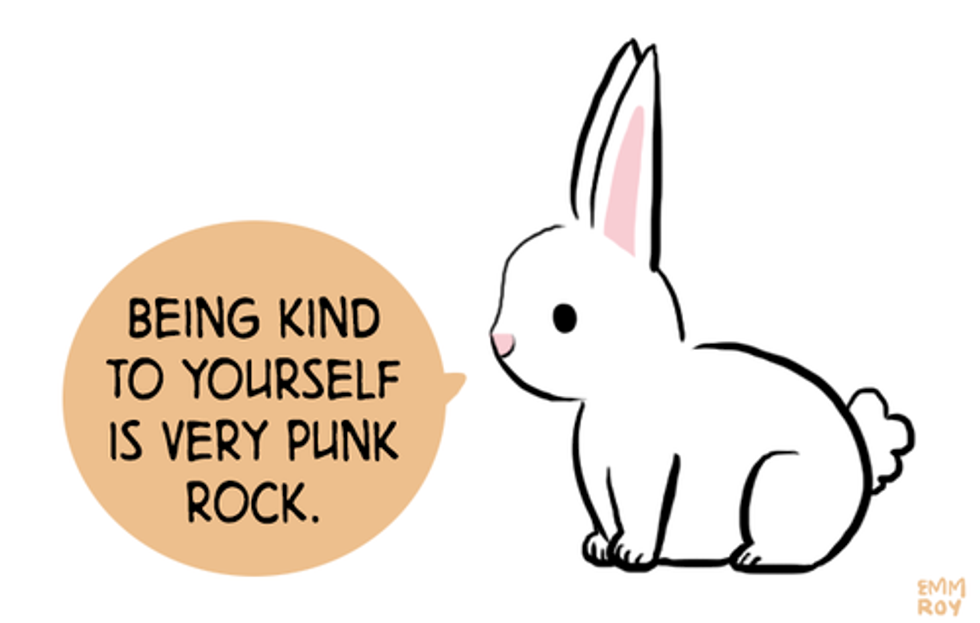
Note: I chose to make the headline "managing" rather than "overcoming" mental illness, because different illnesses have different prevalences in different people. There are some things that I know I will likely struggle with for the rest of my life, and not necessarily ever completely "overcome," but that doesn't mean they define me. These are just a few things that I have personally found to work. If you have any other ideas, feel free to comment!