
"Making a Murderer" came out just before Christmas, so naturally I--along with the majority of other Netflix users--spent my break binge watching the controversial docu-series. The show was a roller coaster of emotions from the first episode. After watching the first portion of Steven Avery's story where he was incarcerated for 18 years for a crime he didn't commit, I couldn't even begin to imagine how there were nine more episodes detailing his struggles.
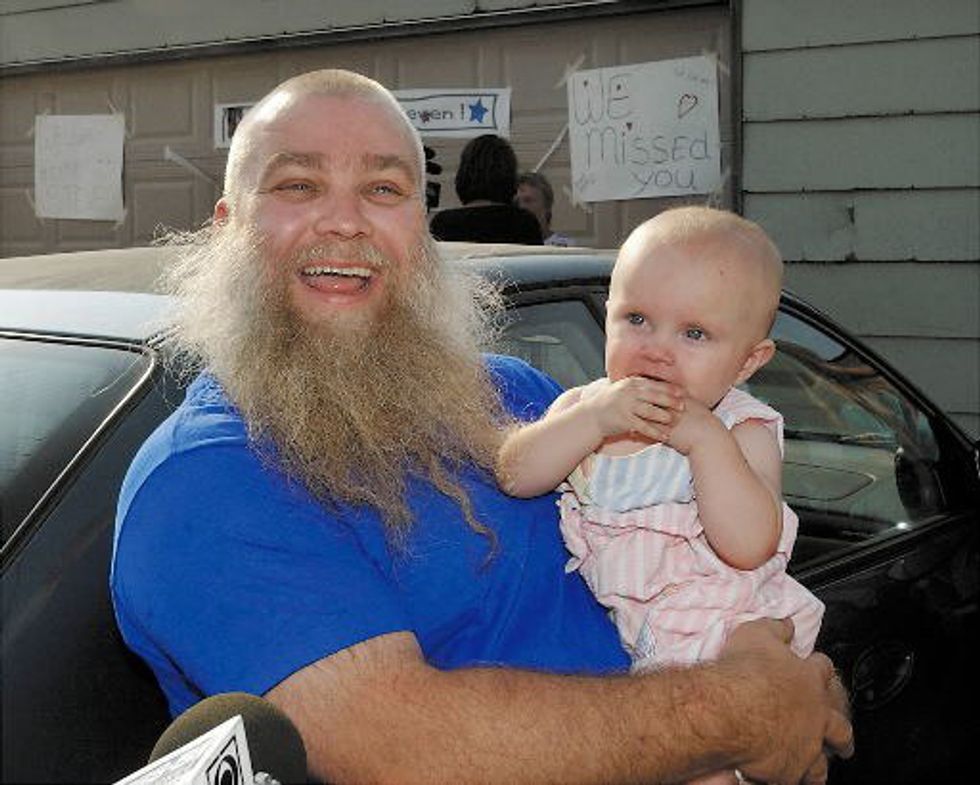
(via host.madison.com)
First of all, it is astounding to me that in our current justice system, an innocent man can spend 18 years locked away for rape. In the very first episode, my faith in the police was a little damaged. It is terrifying to think that anyone could be assumed guilty; that I could go to jail for no reason while the police ignore evidence that points to someone else (who happens to be the guilty party). While I know that this is certainly not the case everywhere all the time, the Manitowoc County PD dropped the ball in the case of the assault of Penny Beerntsen. The police had countless hints pointing toward the actual perpetrator in 1985, when the case began as well as in 1995. None of these leads were followed; this to me seems negligent. When Avery was proven not guilty by DNA evidence in 2003,18 years after his initial incarceration, the pride of his county's police department was definitely damaged, and the citizens' faith in their protectors was as well.
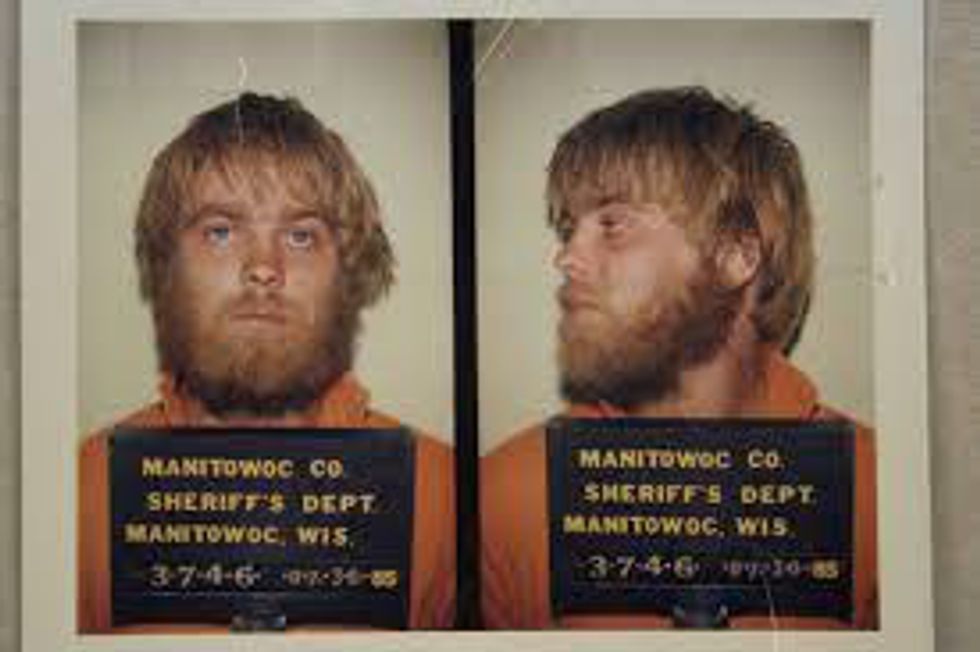
(via vox.com)
Avery's joyous release from prison was short-lived; in 2005 he was arrested again for a totally different, and even more serious crime--the murder of a woman named Teresa Halbach. Halbach was a photographer; she'd gone to the Avery's property to take pictures of a van they wanted to sell. This was the last time she was seen. Whether this was a coincidence or not was never considered by the police. Steven Avery, despite being acquitted of the assault of Beerntsen, was immediately the only suspect the Manitowoc County police looked into. I could not believe that this sequence of events was happening all over again. It is terrible to think of the horrific feeling of dread that Steven and his family must have endured as they watched their biggest nightmare unfold before their eyes for the second time. Their family was just beginning to stitch itself back together after Steven's release, only to be torn apart once again in the same way. Not to mention the possibility that Teresa's actual killer could still be out on the streets. The Halbach family had to have been going through immense pain as well.

(via mirror.co.uk)
As I am not a police officer, I can't claim that I know exactly how a murder investigation should be done. But, from what I watched in the documentary, no matter if Steven committed the murder or not, the case was not handled well at all. If Steven Avery is not guilty, then his county's police have failed him as well as the family of the victim and the citizens of Wisconsin a second time. The faulty evidence presented at the trials of Steven and his nephew (who also got unwittingly dragged into the situation) was countered well by the defense teams. The juries were pretty split the entire way through, even with the majority of jurors voting for acquittal at one point in their deliberation. To quote Dean Strang, Steven Avery's defense attorney, "guilt has to be proven beyond a reasonable doubt. If there is reasonable uncertainty, we err on the side of liberty." This is definitely not what happened in the case of the murder of Teresa Halbach.
Whether or not Steven Avery is guilty, the case was not handled well. Strang even said in a post-interview with all of the defense team that while he doesn't believe this to be the case, he hopes that Steven is guilty. As he teared up, he said that he desperately wanted to believe that the justice system put an innocent man in prison for the rest of his life. Avery is still in prison to this day and while it's nearly impossible to know for sure whether he is guilty of murder, I have to agree with Dean Strang. If Steven really is innocent, that would be a daunting detriment to the integrity of the criminal justice system of today.