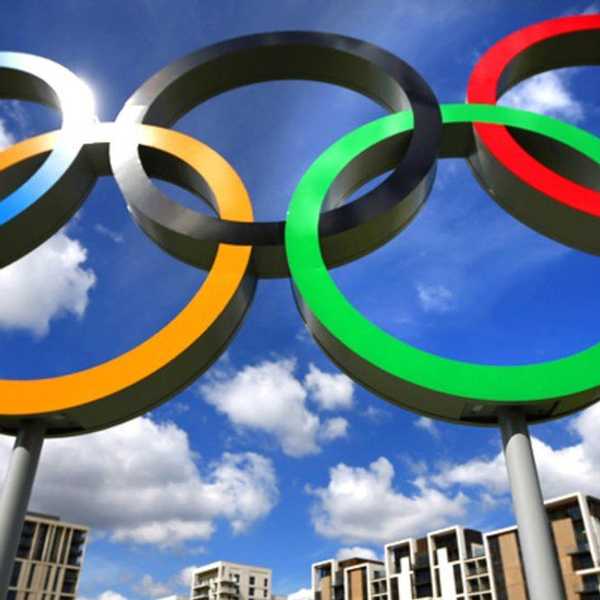
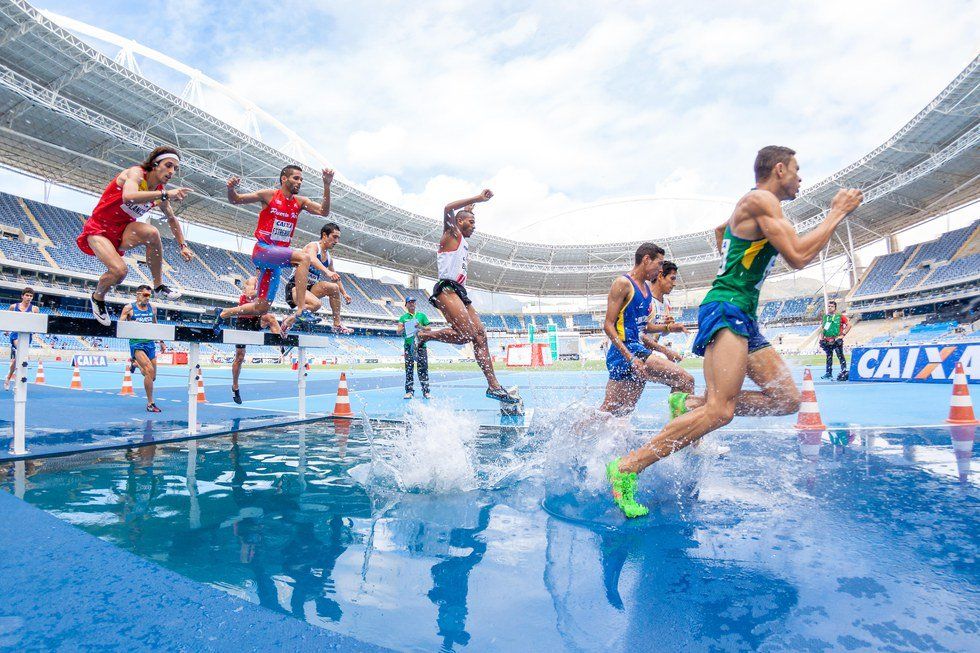
Last Friday marked the beginning of the 2016 Summer Olympic Games which are taking place in Rio de Janeiro, Brazil. The Olympics give participating nations the opportunity to showcase both their best athletes and national pride. Even as someone with negligible athletic talents, there is something heartwarming about seeing people from around the world, usually from humble beginnings, achieve momentous feats on a world stage after years and years of training and preparation. However, the history of the Olympics is not without controversy. Competing countries may come into conflict because of athletics or other circumstances not related to the actual sports.
As of 2012, the Summer Olympic Games in London contained 302 different events with just more than 10,000 athletes with relatively equal gender ratios. This is a huge jump from the first Olympic Games held in Athens in 1896 where fewer than 250 male athletes from 14 nations competed in only 42 events. Saudi Arabia, Brunei and Qatar’s inclusion of women on their Olympic teams in 2012 marked the first year that all countries’ teams included women, despite the fact that women have been allowed to participate since 1900.
Competition at the Olympic Games is obviously very fierce. The practically chest-burning desire to emerge victorious is shared by every athlete. Sometimes the desire to win is greater than the desire for fairness. Many athletes have been stripped of medals and prestige after testing positive for banned substances. Perhaps the saddest story in relation to controlled substances took place when the Stasi (East German Secret Police) systematically doped young athletes with anabolic steroids often without their knowledge in order to continuously win medals, which helped to promote the Communist state’s image.
Renate Neufeld, one of East Germany’s best sprinters, recounted her experience, saying that she was given what she was told were vitamins by her coach. The “vitamins” that she was given were actually anabolic steroids, which increased her testosterone levels. Her voice became gruff, sometimes even disappearing. Hair grew on her upper lip, and her period stopped. After refusing to take the pills due to the side effects or join the Communist Party of East Germany, her training money was cut off. It was after that that she decided to defect. She was one of 15 athletes that fled to the west between 1976 and 1979. Others suffered from both physical and mental traumas.
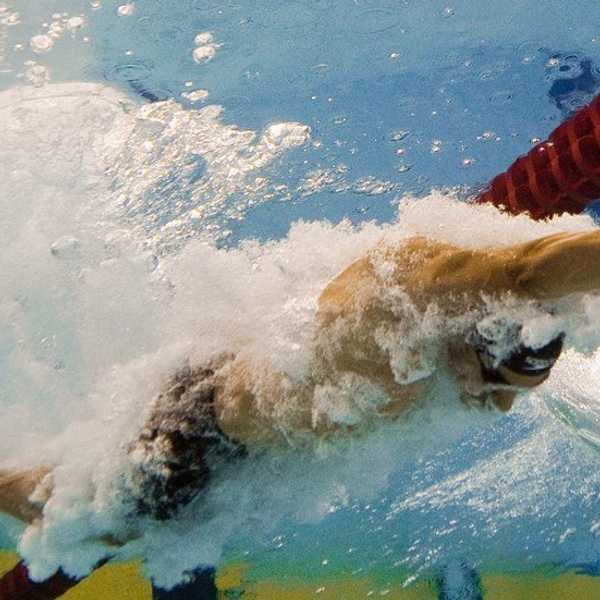
The 1976 East German Women’s swim team were known as “wonder girls” for their athletic prowess. Many suffered from enlarged hearts, gynecological problems and had children born with birth defects due to unknowingly ingesting anabolic steroids. One former swimmer reported having seven miscarriages. Rica Reinisch, who retired prematurely from competition after winning three gold medals and setting three world records at the 1980 Olympics on a doctor’s orders after discovering that her ovaries were inflamed and enlarged, said in an interview with the Guardian, "I was an immense swimming talent. They robbed me of a chance to win the gold medal without drugs." As Reinisch retired at 16, she was not exposed to steroids for as long as many other athletes. However, she has still suffered two miscarriages and has an irregular heartbeat that stops her from doing any serious sport. This doping scandal makes apparent the dark underside of the Olympics where athletes are sometimes treated less like human beings and more like checks with a short cashing window.
The problems that surround the Olympics do not stop at the athletes themselves. Hosting the Games is a huge undertaking. While hosting the Games comes with great honor and prestige, the glory of it has waned in the past years. Many countries no longer feel like the glory is worth the billions of dollars that goes into creating a city fit for the Olympic Games. Furiously bidding to host the Games is somewhat a thing of the past. The Rio Olympics especially highlight the “behind the scenes” issues that occur behind the shiny veneer of the medals around athletes’ necks. The destructive Zika virus, polluted water, Brazil’s current political instability, crime/human rights issues and infrastructure issues are among the issues that made the path to the Rio Games a rough one. It seems a bit ridiculous to host a world spectacle and build grand stadiums solely for a two-week period, simultaneously displacing poor people from their homes who usually cannot afford to move somewhere else.
There have been steps to help eliminate the immense waste and expense that the Olympics cause. There has been talk about the idea of having a permanent Olympic stadium, one for summer and one for winter, with perhaps a guest city every 20 years. This would at least help to avoid the bidding process, which often causes much dispute and help to minimize the undertaking it is to host the Games. There is talk of hosting the Summer Games permanently in Greece, the birthplace of both the ancient and modern Olympics. This decision may also help to boost Greece’s floundering economy.
While watching the Olympics admittedly makes me a prouder American and world citizen, I believe that a lot of work needs to be done to make them a more stable, fair and sustainable event that will last peacefully for years to come.