In light of the most recent edition of the Major League Soccer Cup it is interesting to compare the tournament championship's evolution (or lack thereof) since its inception in 1996.
Founded in 1993, Major League Soccer answered the call of soccer fans around the globe for a domestic league in the United States. Play began in 1996, following the development of 10 startup teams, and has since expanded to 20 teams with four future teams currently being planned. Yet, despite increases in revenue, advertisement, and public awareness, the MLS has stagnated in terms of popularity.
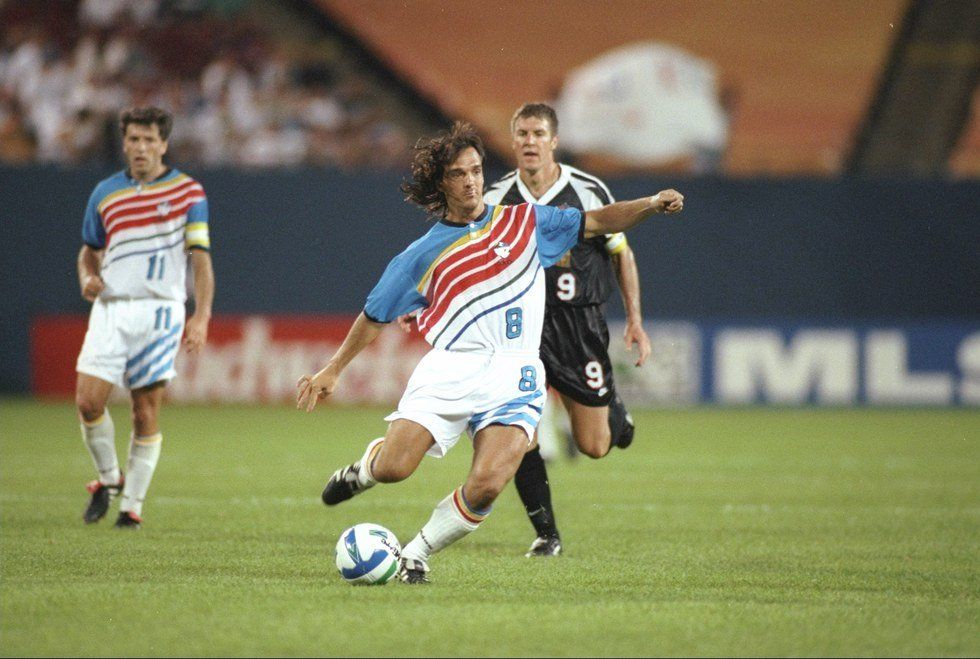
In the first MLS Cup D.C. United battled the LA Galaxy in a fierce match that finished 3-2 in favor of the former. Surprisingly, the final match attracted over 34,000 fans in attendance, which took place at Foxborough Stadium in Massachusetts. With hopes high for potential future growth, attendance numbers interestingly staggered in the following years.
Today, just over 21,000 fans attended the MLS Cup in a match that had received more pre-game hype than any other MLS Cup match in history. Ads ran through virtually every sporting network across the country, yet television ratings and attendance was well below expected.
Initial investors most likely monitored the growing interest in soccer leagues in parts of Europe, namely the English Premier League and the German Bundesliga, and hoped to attract similar viewership in the States, yet these attempts faltered as, instead, ratings and viewings for these other leagues continued to skyrocket.
From a personal perspective, I cannot see (at least for the foreseeable future) any way how the MLS ratings will come close to that of the English Premier League. As an avid fan of the EPL, I note the fact that the quality of play in the United States is simply nowhere near that of virtually anywhere else in the world. While attempts have been made to bring in world-class players to teams in the MLS, little has changed in terms of the domestic or international viewing of the league.