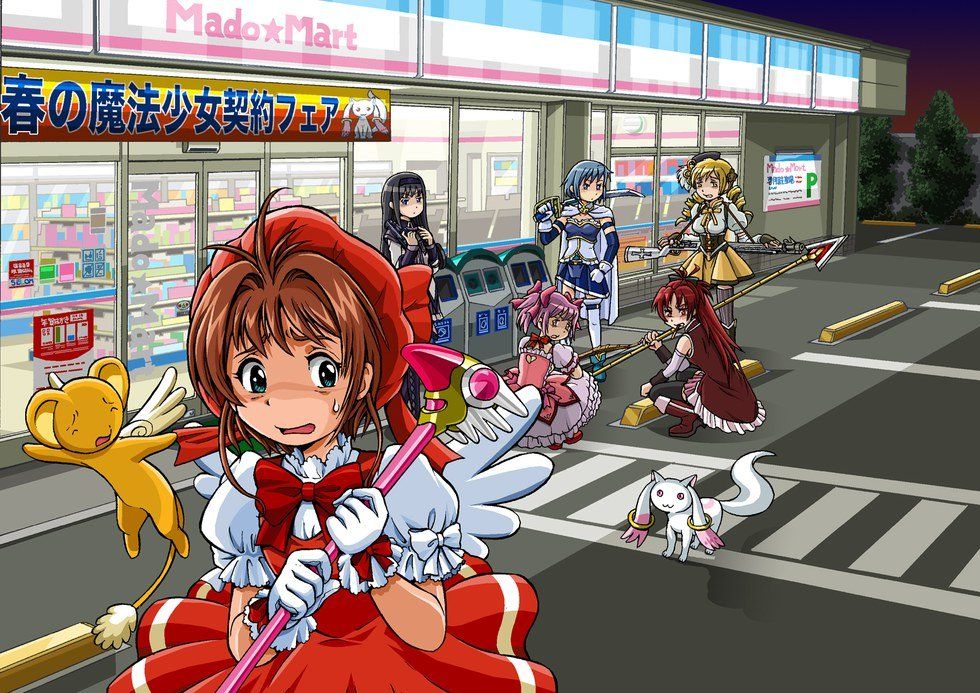
The Magical Girl genre—also known as mahou shoujo (magical girl) or majokko (witch-girl) is one of the oldest genres of anime and manga,dating back to around the 1950's and 60's. Within the last two decades, the popularity of the genre has returned in waves. From the classic Sailor Moon to the more recent Puella Magi Madoka Magica, it seems that the charm of Magical Girls never fail to appeal to all sorts of demographics.
The basic premise of the Magical Girl genre centers around a young girl suddenly gifted with fantastic powers and then tasked with some sort of burden, such as protecting the Earth from evil. With their newfound powers, the girls create their own "alter ego" that they use when they go about saving the world. Plus, the main female lead has to balance her everyday life (and sometimes even her love life) in the process. Magical Girls became the foil to the typical “superhero” genre that is aimed towards young boys.
When Sailor Moon became serialized in 1991 and went on air as an anime in 1992, it became an instant hit in Japan. Eventually, it took the world by storm to became an international success. It also became the trendsetter for future Magical Girl anime to follow. Throughout the series, the audience watches as Sailor Moon matures from a clumsy crybaby into a capable young woman. The cultural significance of Sailor Moon is that it combines female empowerment and femininity into a strength that girls can draw from.
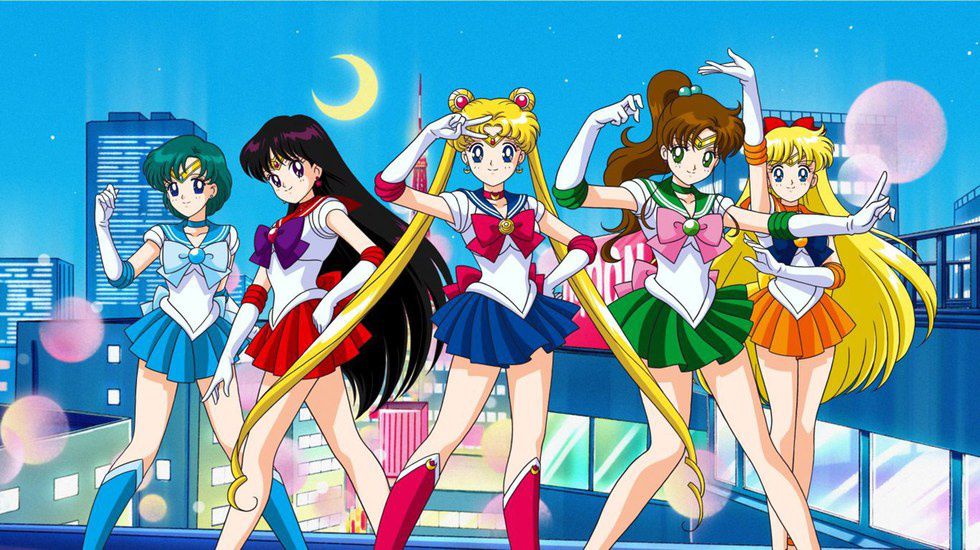
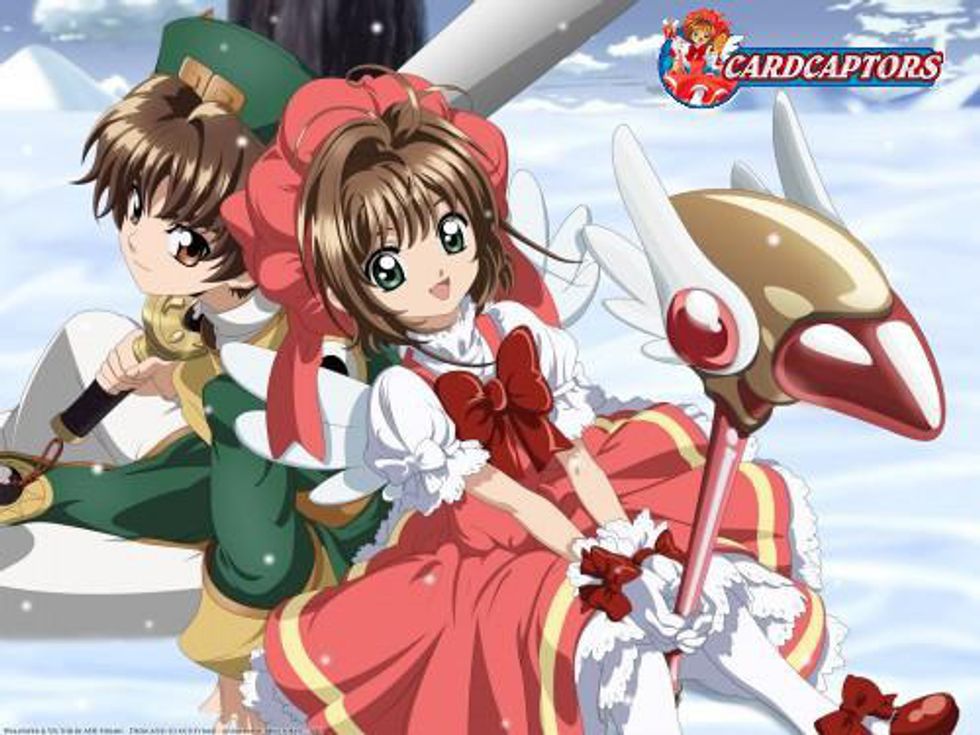
Magical Girls took another leap into fame with the release of Cardcaptor Sakura in 1998. Cardcaptor Sakura follows the journey of ten-year old Sakura Kinomoto as she searches the missing mystical Clow Cards, each of which possesses an unique power. Cardcaptor Sakura uses the “monster-a-week” formula, where every encounter with a Clow Card is more of a self-contained conflict between Sakura and the individual card.
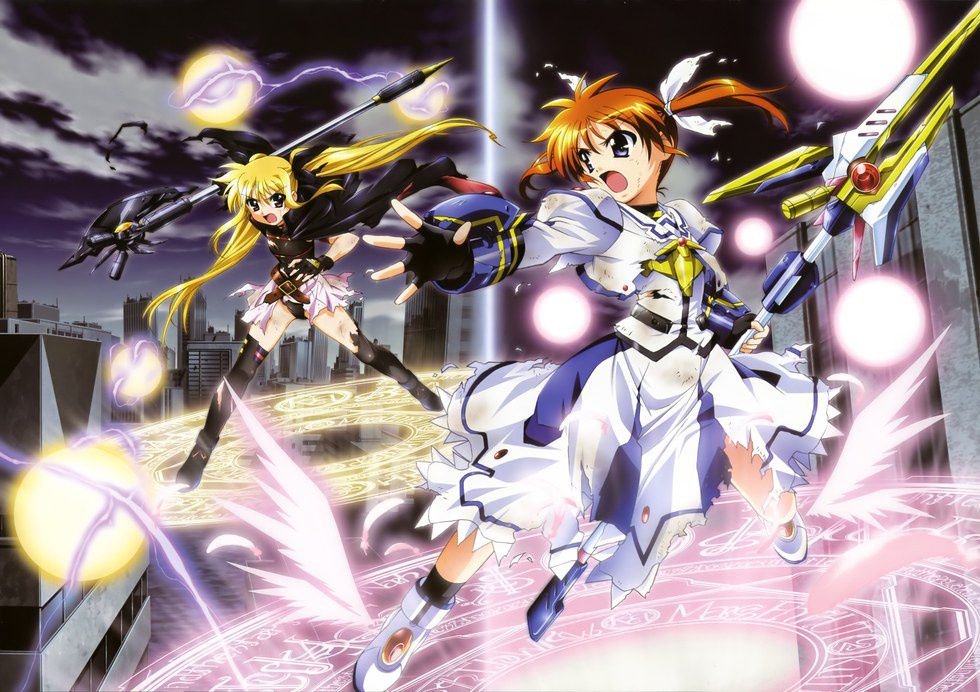
The release of Magical Girl Lyrical Nanoha in 2004 was used to target an older, male audience. Unlike other Magical Girl series, whose demographic appeal was more towards younger girls, Nanoha puts heavier emphasis on its action, pumping in more adrenaline to produce grand aerial battles. Nanoha is one of the first of its genre to push Magical Girls to the extreme, transforming them into magical girl warriors. The popularity of Nanoha in Japan led to multiple anime seasons and spin-offs, including movie adaptations in 2010, 2012 and later on in 2017.
At the same time, there was a shift in the typical Magical Girl narrative to focus on a more mature audience. Rooted in the concept of being gifted with fantastic powers is the responsibilities that come along with them. But those responsibilities and any possible side effects they may have on the user were usually neglected in the Magical Girl genre.
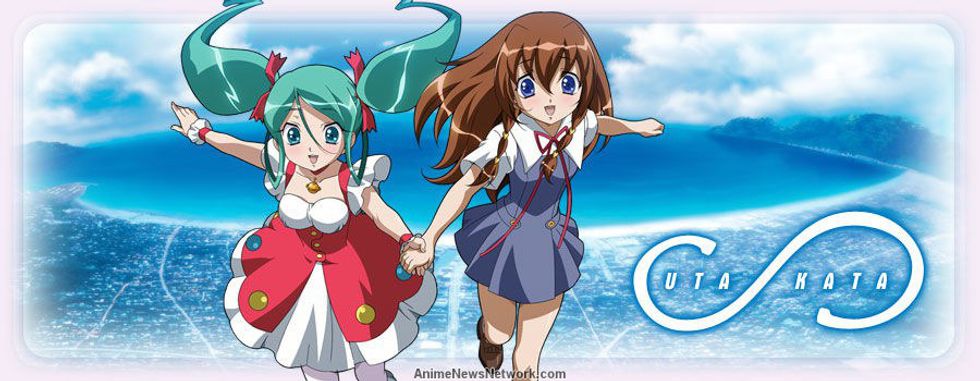
Uta Kata was probably one of the first to take a crack that idea back in 2004. In Uta Kata, an 14 year-old girl named Ichika Tachibana finds that her phone charm somehow wounds up inside a mirror. Ichika encounters a strange girl named Manatsu Kuroki trapped inside the mirror, who offers to return her charm in exchange for helping her out with some favors. Manatsu teaches Ichika how to summon elemental spirits called Djinns. Gradually, the more Ichika uses the power of the Djinns, the more her emotional and mental well-being deteriorates.
It sounds interesting premise due to its unconventional take. However, Uta Kata fell flat in both its execution and direction.
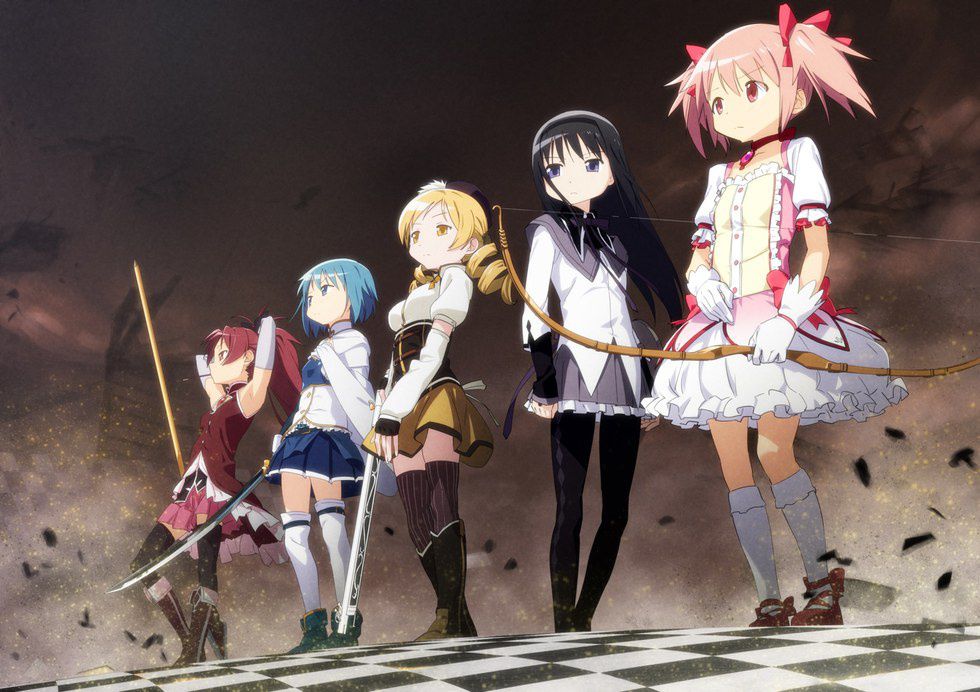
It was a good couple of years until magical girls reclaimed the international stage again, and that was with the release of Puella Magi Madoka Magica in 2011. This time, Madoka was able to take off and succeed where Uta Kata didn't. Madoka capitalizes on something that many others of its kind brushed off to the side—that becoming a magical girl can be the worst decision that a girl can make. To become a magical girl, all you have to do is make a contract with an adorable creature called Kyubey. To make the deal even sweeter, you can have one wish granted as well! If it sounds too good to be true, that’s because it is.
Becoming a magical girl in Madoka isn’t sparkles and fun. As part of the contract, you have to put your life on the line by battling monsters called Witches and sometimes even rival magical girls. But the real gold in Madoka is how it addresses the fact that sometimes in life there are no happy endings.
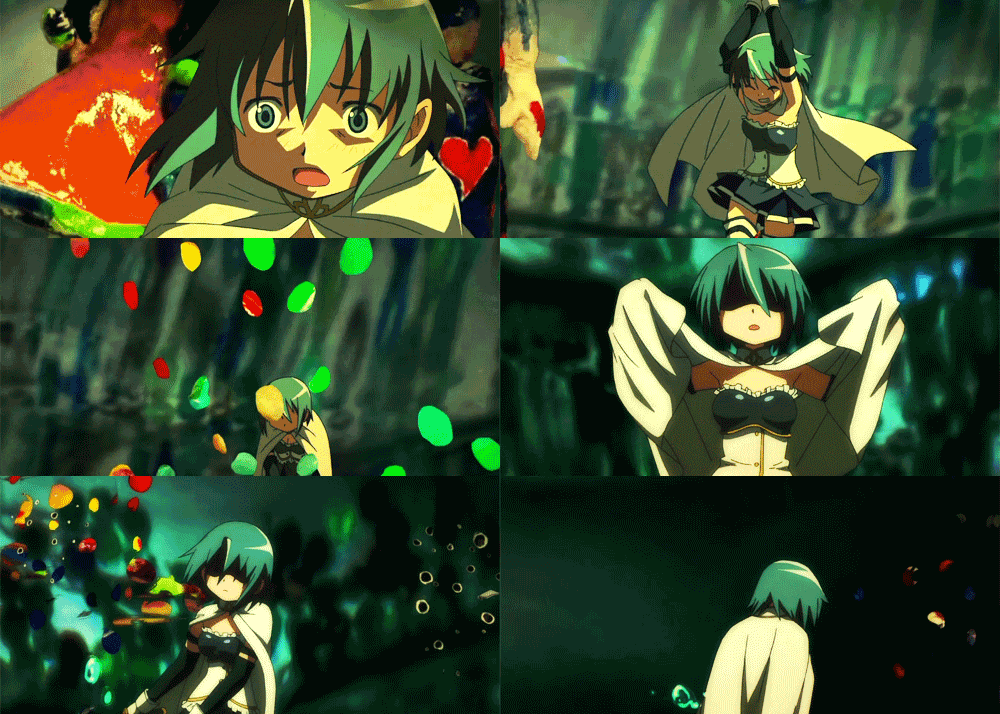
In many ways, Madoka is the anime that helped Magical Girls challenge the stereotypes that people tend to with associate the genre. Anime such as Yuki Yuna is a Hero and Magical Girl Rising Project continue to break the mold and diversify the range of themes that Magical Girls can tackle. Of course, even before Madoka, there were hidden gems out there for those looking for an edgier type of Magical Girl anime such as Revolutionary Girl Utena, Mai-HiME, and Princess Tutu.
So who says that Magical Girls are just for girls? There is plenty that this genre can offer to any audience. Whether its romance and friendship, or heart-wrenching tragedy—Magical Girls got your back.