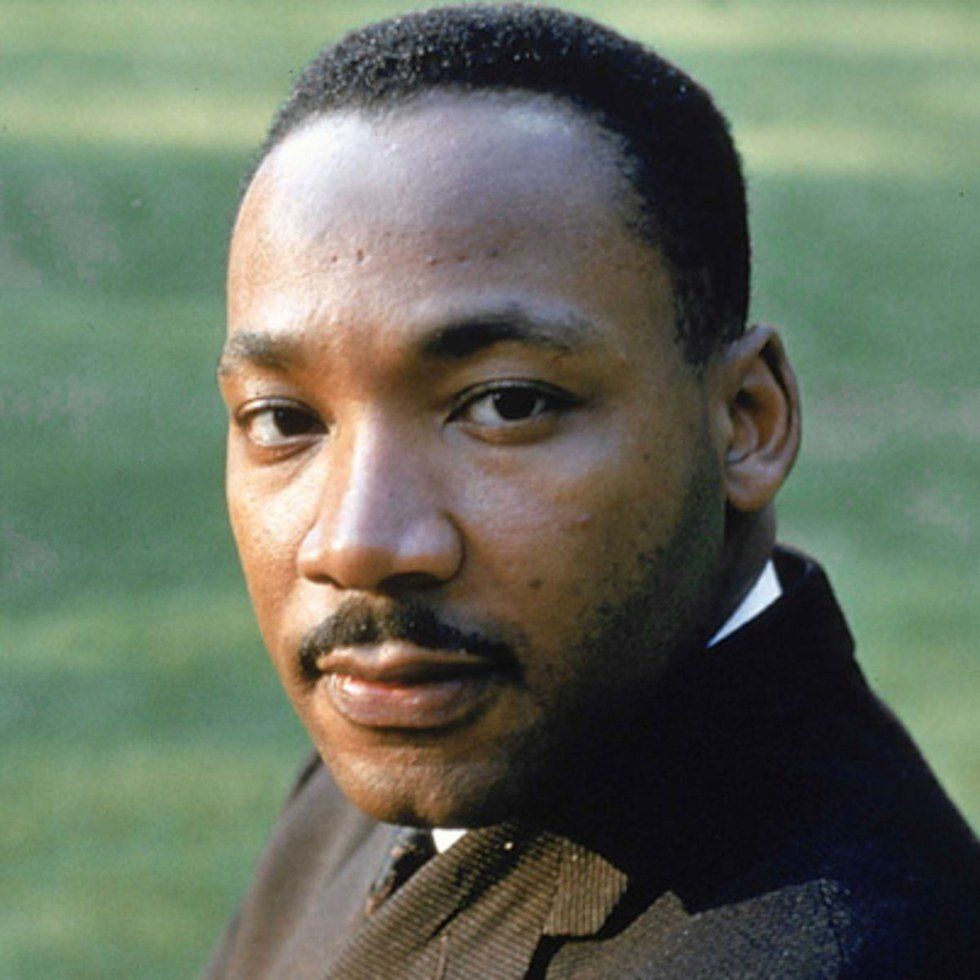
Let me not mince words: The version of Martin Luther King that many Americans celebrated on January 16th is a markedly watered down version designed to make white people feel comfortable.
How else would one explain the enormous dissonance between Dr. King's beliefs and the version of Dr. King that we celebrate today?
More often than not, Martin Luther King's name is brought up in conversation as a way to silence black people whenever they try to speak up about any issue pertaining to racial injustice in America. When the "MLK wouldn't have wanted this" crowd comes out of the woodwork, it's usually in response to a riot or protest. These people seem to conveniently forget that King spent his entire adult life fighting racial injustice. Never mind the fact that MLK, despite his personal belief in non-violence, refused to condemn riots, instead calling them the language of the unheard. Why? Because he, like many others, realized that America was literally founded on violent protest. Instead of actually talking about the issues that Dr. King spent his life battling, people hide behind the nebulous concept of loving one another.
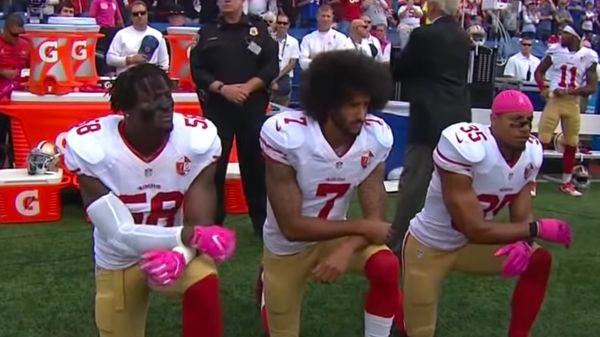
The reaction to the national anthem protests led by 49ers quarterback Colin Kaepernick is a perfect example of the ills that frustrated MLK so much. Most Americans didn't support this protest at all. Some used overtly racist rhetoric to dismiss the protest, while many other people said something along the lines of, "I support his right to protest, but I don't agree with his manner of protest." It should be noted that the majority of the people who used the latter phrase weren't exactly rocking Make America Great Again hats. In fact, many of them were liberal people who brag about how inclusive they are, all while ignoring their role in enabling white supremacy. In his Letter from Birmingham Jail, King specifically addressed people like this. He talked about his frustration with "the white moderate who is more devoted to order than to justice; who prefers a negative peace which is the absence of tension to a positive peace which is the presence of justice; who constantly says: "I agree with you in the goal you seek, but I cannot agree with your methods of direct action"; who paternalistically believes he can set the timetable for another man's freedom; who lives by a mythical concept of time and who constantly advises the Negro to wait for a "more convenient season."
Dr. King believed in non-violence. He also believed in democratic socialism, economic equality, and reparations for the black community for hundreds of years of oppression. If we're going to talk about MLK, then let's talk about the fact that he was arrested 29 times. Let's talk about the fact that he was a frequent target of covert FBI operations. Let's talk about the fact that most Americans opposed his actions while he was alive. Let's talk about the real MLK, not the whitewashed version that we commemorate today.