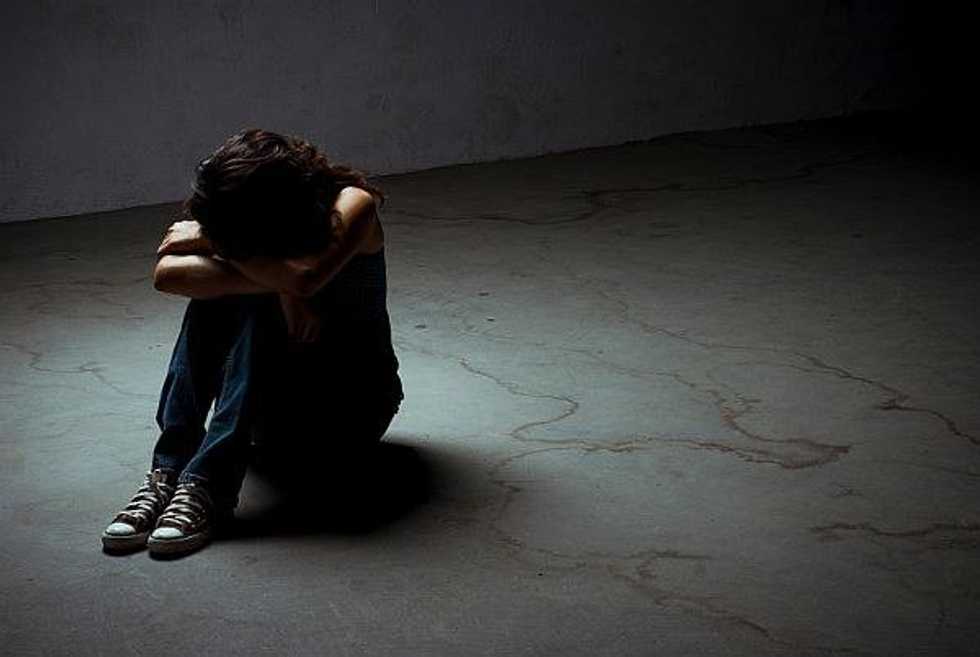
If I don’t take my meds, I have anxiety every morning. I’m not sure if it’s because of classes, or because I dread interacting with people, or something else. There never seems to be any particular reason why I should feel anxious. When people ask me what brought on my panic attack, I can't find a reason because I’m not consciously worrying about anything—so maybe it’s just that I’m worried about so many things that they all end up blurring together.
Anxiety is different for different people. When I get anxiety, I start shaking, my palms get sweaty, and I can’t eat anything. Oftentimes I feel like I might throw up. Usually I just sit on the toilet until I feel a bit better. Going outside also helps. When I’m feeling good enough to move, walking helps a lot, because it uses up the excess energy which makes my body shake.
During my first days of high school, I suffered from one of my first panic attacks. My dad taught (and still teaches) at my old high school. We lived on campus, and mostly ate breakfast at the dining hall together. I told him I felt sick, and didn’t really want to eat anything, but I followed him into the dining hall all the same so I could sit with him and talk before class. I don’t know if it was going inside, or the smell of food, but I just started gagging and couldn’t stop. I could barely say anything, but finally, I got my dad to turn around, and we went right back outside.
I stared at the grass until I calmed down. Just staring at it really helped. It was green, a most soothing color, and it didn’t move or change; staring at things that move make me feel nauseous. My dad and I sat together on a bench and he held his hand to my back to make me feel better. He told me what was happening—as I had no clue—and said he had the same problem at my age.
I’ve learned how to deal with my anxiety on my own, but when I’m with my friends and start feeling anxious, I have to tell them something. I always tell them it’s anxiety, and usually they understand. I’m not embarrassed; I just need to let my friends know what’s happening, and why I’m suddenly incapable of continuing whatever we were doing. I explain to them that all I can do is wait for it to go away, and that my meds don’t take effect instantly (so it wouldn’t help me to take them right then and there).
I’ve also learned that changing routines, or being in a new situation causes my anxiety to spike, like when I started going to high school, or went to summer camp for a week. This is common, and is called “situational anxiety.” Different kinds of anxiety can be brought upon by events and situations, such as waiting in line, being in a crowded elevator, or even driving a car. Sometimes the anxiety is based upon previous memories of similar situations, most commonly the case in people with post-traumatic stress disorder. Social anxiety disorder (SAD) is brought upon by social situations and involves an intense fear of public humiliation and/or negative criticism of oneself by others.
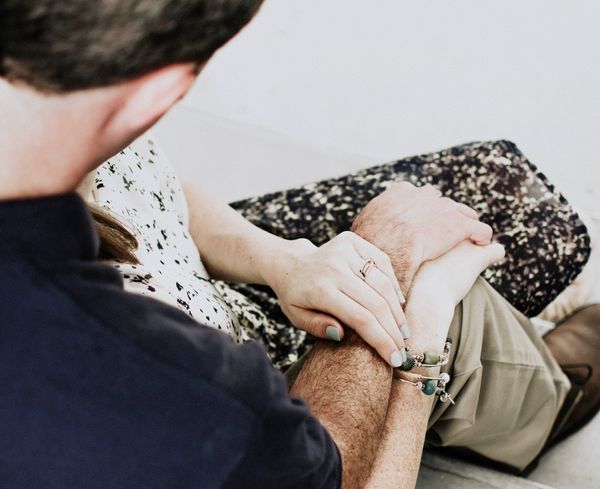
If you know that your friend has anxiety, ask them if there’s anything you can do when they’re having a panic attack. Some people feel better when they’re held or touched, but other people feel the need to be completely alone. Ask if they want to go outside or need a drink of water. Ask them if they want you to just talk to them and reassure them, or keep quiet. Little things like these make a big difference. They show someone you care about not only their health, but about them as a person. When a friend is feeling helpless, one of the most valuable things you can show them is that you care.