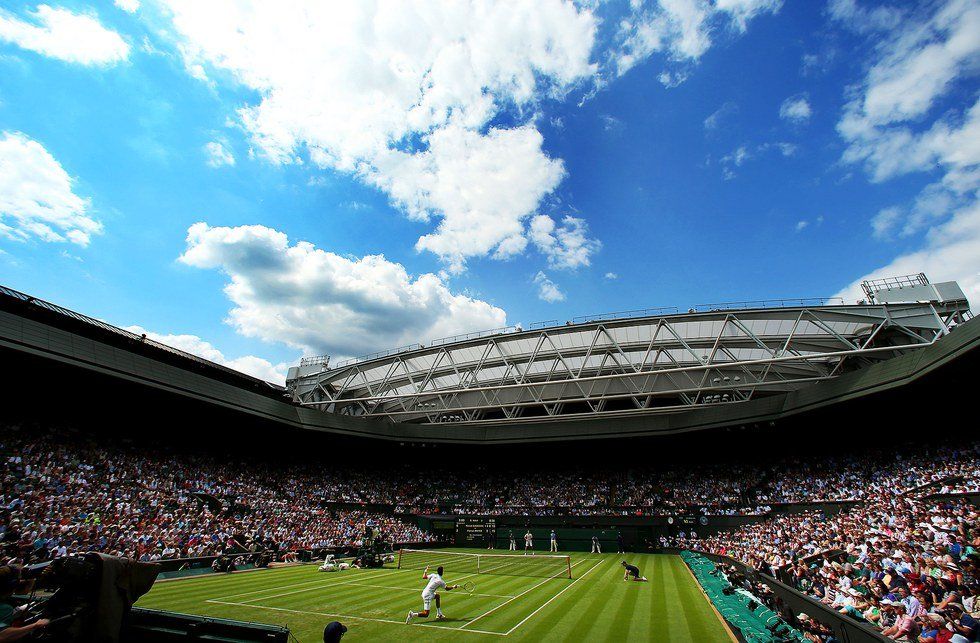
American tennis player John Isner had play suspended on Friday, July 3 due to darkness. This is not the first time Isner has taken a match so long that play has been suspended.
A normal tennis match consists of players trying to get to six games first to win a set. To win a set, you have to win by two. If a set is tied at six, then you play a tiebreaker. The only exception to this is at Wimbledon (one of the four major tournaments during the year). In the men’s draw they play best of five, and in the fifth set there is no tiebreaker. Players will continue until someone wins by two.
One of Isner’s most impressive qualities comes with his height. Isner is a whopping 6-foot-10-inches tall which gives him an edge on his serve. He has a recorded 149.9 MPH serve at the 2011 Western and Southern Open. This was the ninth fastest serve ever recorded. His size gives him a very powerful forehand.
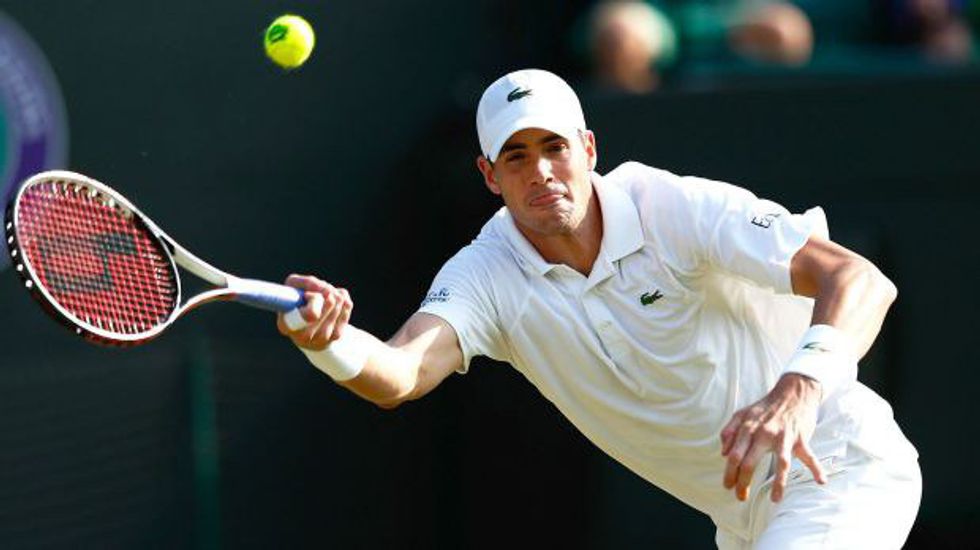
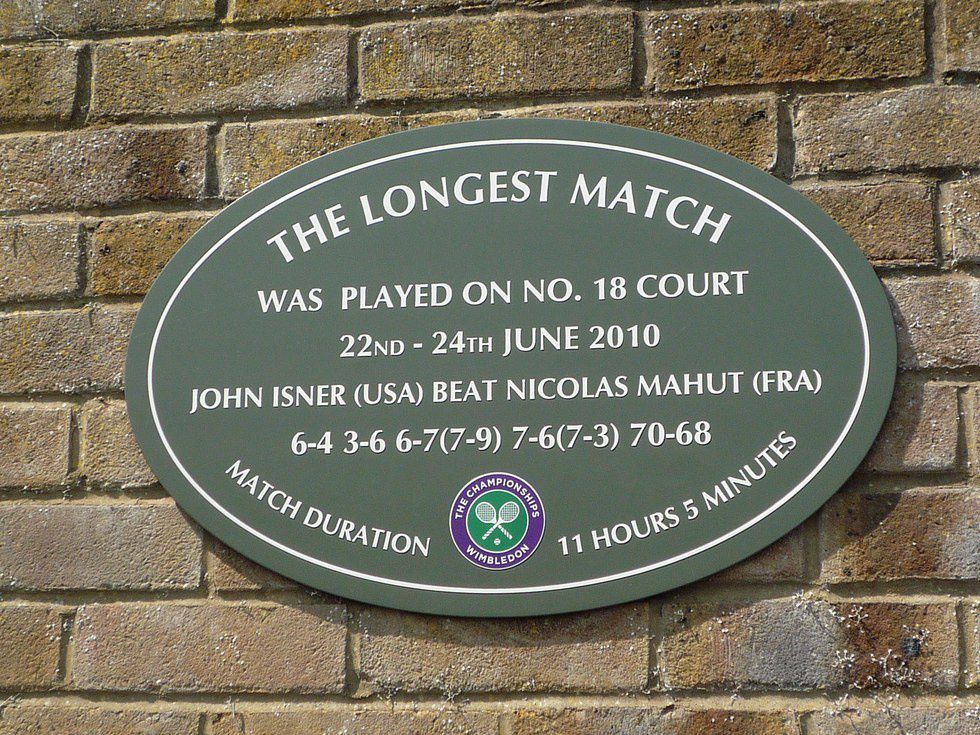
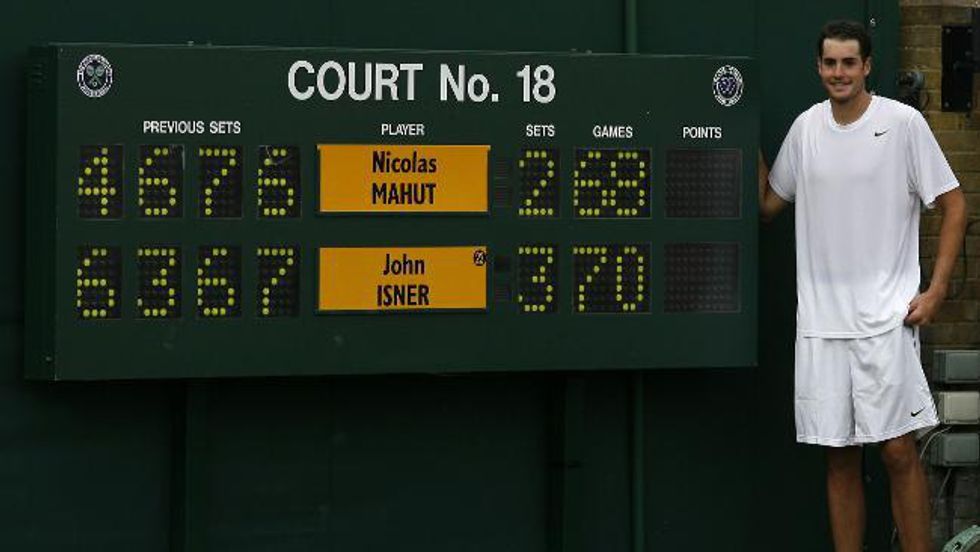
In the first round of the 2010 Wimbledon, 23 seed John Isner was set to play Nicolas Mahut. This should have been a rather easy walkthrough for Isner. The match would wind up going 6-3, 3-6, 6-7, 7-6, 70-68. The match was played over three days accounting for 11 hours and 5 minutes. It would then be recognized as the longest Wimbledon match ever.
In this year's Wimbledon third round, Isner had play suspended due to darkness. The score was 6-7, 7-6, 4-6, 7-6, 10-10 after 4 hours 16 minutes of play. However, the match ended quickly on Saturday with Isner losing two games after only 15 minutes of play.
So, what makes John Isner take so long on the court? He is moderate tempo player, so pace of play isn’t the issue. The problem is Isner can’t finish a match. It comes from not being a complete player. Isner is exceptionally good at what he does which is hit fast serves and hard forehands.
Why doesn’t Isner just spend time to perfect what he is weaker at? Because his weakest assets are due to lack of speed. Being 6-foot-10 doesn’t allow you to move around the court very quickly. Besides lack of speed and agility around the court, Isner has also had a history of knee injuries. This only adds on to the difficulty of speed and agility.
Although he has never made it past the fourth round of a major tournament, he is doing well on prize money having made over $7 million dollars. Not to bad for a non-premier player. And that money is before any sponsorship deals.
Isner may not be known for his many Grand Slam titles, but he will always have the record for longest match and a plaque at the court 18 to go with it.