
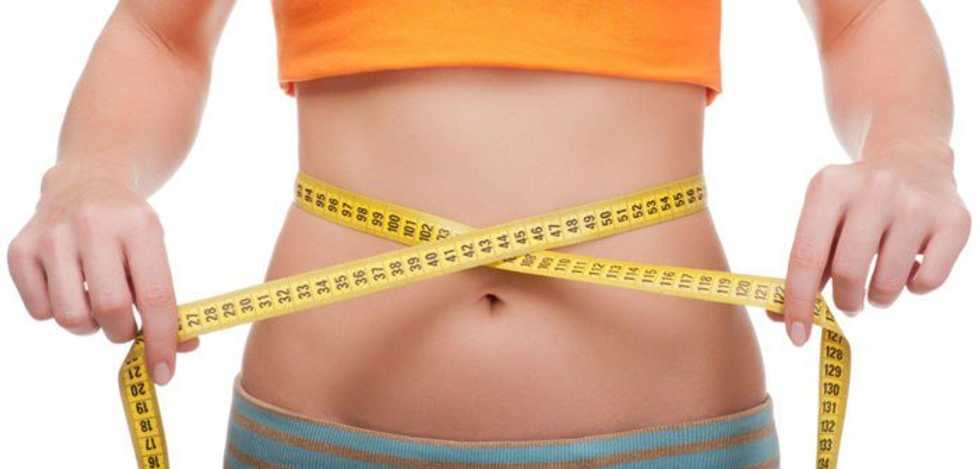
Today’s society is flooded with ideas about what our bodies should and should not look like. Consequently, this involves much talk about what our bodies should be eating in order to obtain that perfect figure. Dieting is an extremely prevalent concept in our world and, whether you like it or not, everyone is talking about it. Little do we know, however, that there are effects of all of this talk on the environment surrounding us.
Everywhere we look, we find information on the latest fads of dieting: in your favorite magazine, during the commercials in between your favorite shows, and at your favorite restaurant. Whether or not you let it dictate your eating habits is up to your own discretion and health, although this prevalence is affecting our daily routines more than we are aware. Every year, more than 40 billion dollars are spent on dieting or related products in the United States, which is equivalent to what our government spends on education every year (Futures of Palm Beach). Dieting is traditionally defined as selecting or limiting foods in order to improve physical condition. In reality, a large percentage of those who are on diets are in what is considered a healthy weight range. In a study surveying female college students, 83 percent had dieted to lose weight. With that in mind, 44 percent of these women were at a healthy weight (ANAD). Diets in this day and age are used to maintain the inaccessible, perfect body.
The inaccessibility of such a common goal in today’s society provokes drastic and harmful measures. In the United States alone there are over 30 million men and women who suffer from an eating disorder (ANAD). This number can only increase with an increase in talk concerning restrictive eating, much of which surrounds the concept of unnecessary dieting.
As much as we do to promote a nutritious lifestyle, we also do a lot to promote restrictive eating. Over the past few years, there has been a huge spike in the amount of social media that is dedicated to weight loss and fitness improvement. With further study, we can easily correlate this to an upward trend in restrictive talk and actions. Not only has a “healthy” lifestyle become a common goal, but it is now a competition. Who can lose more? Who can post the best “after” photo? While I don’t solely blame the competitiveness for the amount of people who are contracting eating disorders, this can increase the likelihood of restrictive thoughts occurring in someone who may already be prone to the harmful behaviors characteristic of anorexia or bulimia nervosa.
What we don’t realize is that we can stop this vicious cycle. The less that we push these topics to a higher rank of importance, the less prevalent that they become in our daily lives. Body image doesn’t have to be a competition. We can maintain a healthy weight with a balanced food intake and activity level. We can all maintain a healthy lifestyle without the need to “diet” or restrict. We can maintain a healthy society by promoting positive eating habits and positive thoughts about food.