
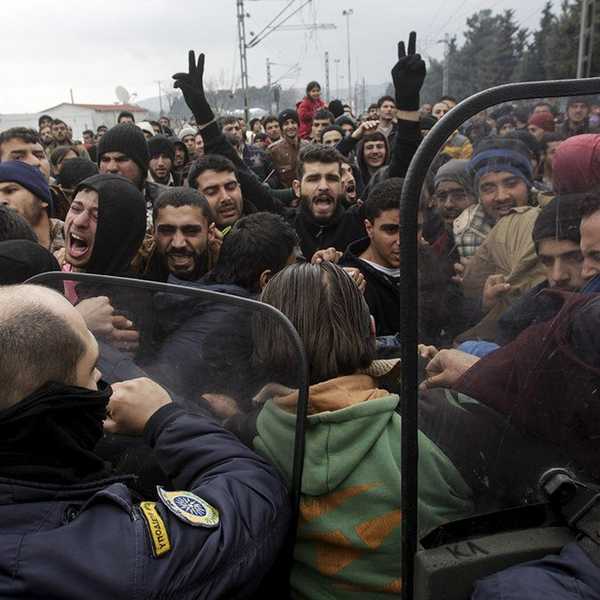
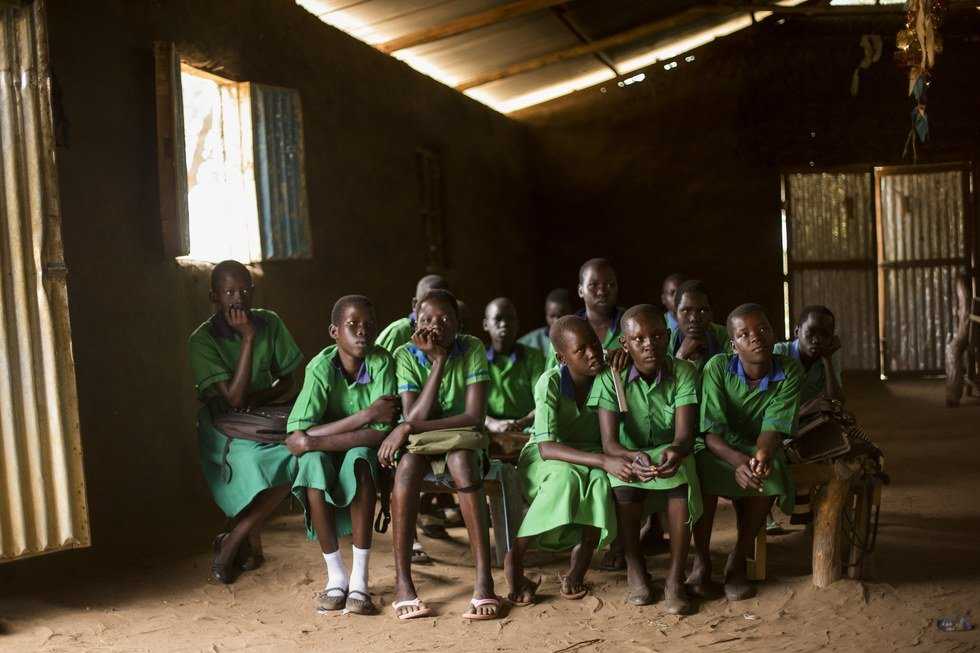
South Sudan’s war devastates the sanctity and peace along with throwing the sustenance and safety of the most peaceful of regions in the country completely off balance.
What is happening?
The war of South Sudan is gradually expanding, with the most peaceful of the regions being dragged into the fire. Beginning as a conflict within the government, it rapidly escalated into an ethnic civil war that has destabilized the political and social safety of the Sudanese population drastically. The conflict has endangered the livelihood of the Sudanese population to ridiculous extents, with a large majority of the population being reliant on aid programs for survival and war crimes taking place daily in unprecedented numbers. The civil war has not only brought the bloody feud of the Nuer and Dinka tribes of Sudan into the forefront but also has drawn in the multitude of other ethnic tribes that call Sudan home.
Large scale proliferation of militia in the safest parts of the country has severely inhibited the potential of productivity that the country once had. With massive oil reserves as well as highly proliferating agricultural sectors indicating a bright future for the country upon its independence, the hope was quickly dashed in the face of widespread, rampant corruption. With a large portion of the profits and national earnings going straight into the unregulated pockets of the politicians in charge of the economic sector of Sudan, the circumstance was ripe for a revolution.
Amidst the rampant violence, the corruption, and the tens of thousands of deaths, the lack of productivity in the middle of such conditions has brought about yet another damning consequence in the lives of the already suffering Sudanese: a famine. The United Nations has declared a famine in Sudan, which is incredibly rare and speaks volumes to the dire situation currently present in the nation.
The absolute brutality of the nation is further displayed through the lavish lifestyles the corrupt politicians tend to live, with the luxurious commodities that they and their families are seen to flounder in the neighboring Nairobi, the capital of Kenya. Once oil prices began to crash, the generation of revenue drastically collapsed as well with the government unable to generate much revenue.
What’s the future?
The current future of South Sudan looks bleak, considering the circumstances almost exclusively point to a regressive future as conflicts worsen and the sovereign gradually collapses. The lack of a gradually developing foundation and a corrupt introduction always spells disaster for the prosperity of a nation.
To reform the circumstance, a complete political overhaul in the form of a powerful intervention from the United Nations, or other prosperous nations is needed to resolve the ethnic conflict that is the war between the Dinka and the Nuer. Corruption only aids this issue, so an intervention to create regulated protection within the regions that are highly agricultural, along with repairing and reproducing equipment required for oil mining once again.
The problem requires attention not only from regional societies but from a global community, and it also desperately requires communal, especially global communal, action to resist the harms being done to civilians as a side effect of the war. The famine, displacement and lack of productivity can be partially alleviated through the support that can be generated this way.
Sudan is collapsing, but the world can hold them up until they can truly walk again.