The Iowa Caucus. Three words tossed around more times in America than perhaps any others. A great handful of people are sick and tired of hearing about it but still further are left with a smattering of questions after a brief overview of the legendary caucus event. A convoluted, archaic process, and a lengthy one at that, the Iowa caucus is a complex beast. Let's shed a little light on what exactly occurred this week in Iowa, how it works, and why it matters.
"What is the Iowa caucus?"
The Iowa caucus is the first electoral event of the Presidential election and occurs every presidential election. It always occurs in the first couple of months of the year, usually early January or February. The 2016 Iowa caucus took place on February 1st at 8 PM, in contrast the 2008 Iowa caucus took place on January 3rd at 7 PM, indicating that variation may occur in different years. Both the Republican and Democratic parties participate in the caucus and candidates tend to campaign in Iowa for many weeks before the caucus. Each of the 99 counties provides voting areas for both the Republican and Democratic candidates.
The Iowa caucus is used to award delegates to the presidential candidates for the National Conventions in July. The Democratic and Republican National Conventions take place in the summertime and are where the two parties select their presidential candidates. Delegates from either party vote and determine which candidate will represent their respective party when the Presidential election occurs later in November. The Iowa caucus accounts for only about 1% of the delegates available nationwide but because it occurs first, it garners a great deal of media attention and has the potential to make or break a campaign, although many Iowa caucus losers have gone on to win the primary election and general elections, like former President Bill Clinton.
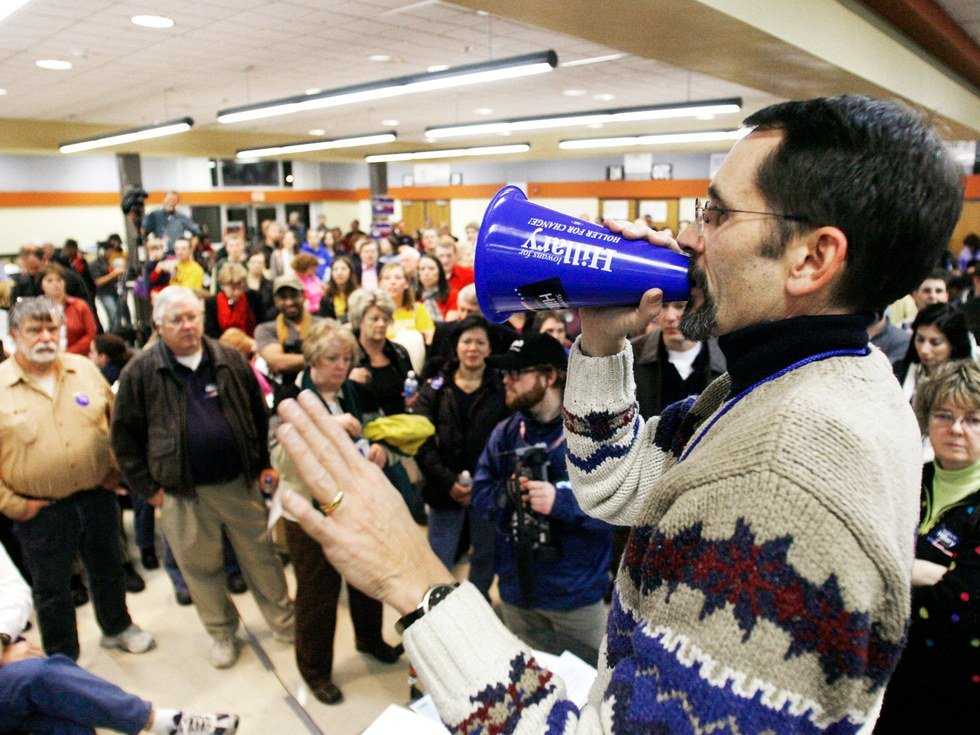
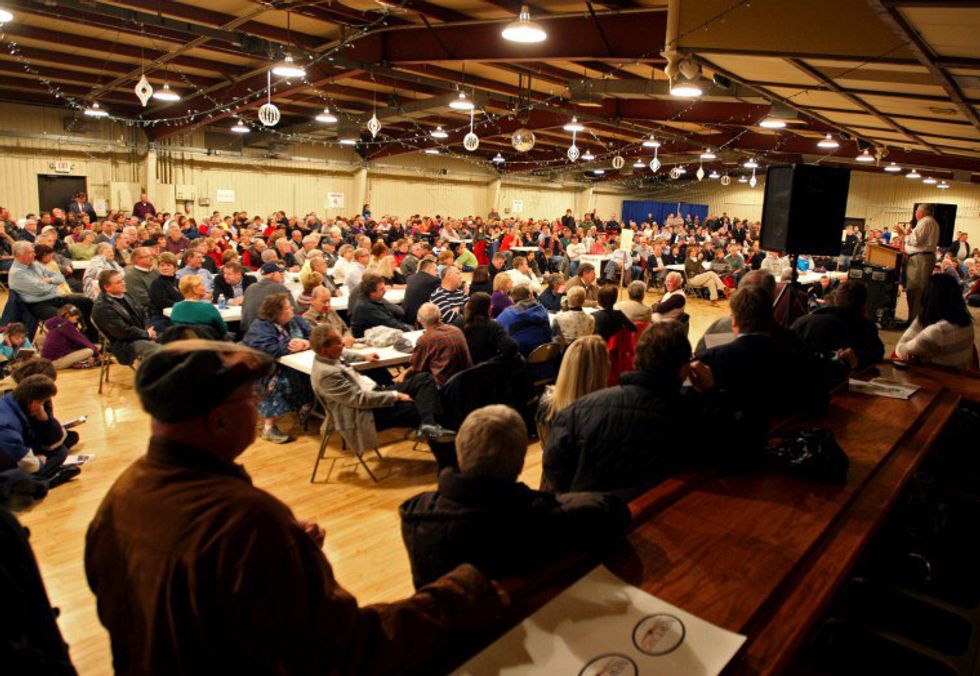
Both the Republican and Democratic parties have different voting processes in the Iowa caucus. The Republicans take a simpler, private ballot approach where you write the candidate you wish to support on a piece of paper and slip it in a box. The Democrats, meanwhile, take a much more complex approach to allocating delegates. Democratic caucus-goers instead participate in group based elections where attendees physically stand together to accrue their candidates a percentage of the vote. If a candidate has less than 15% of the individuals in the room, they must disperse and find a new candidate to support. This was seen in the 2016 elections in my precincts where most Martin O'Malley supporters were forced to either group together with Sanders or Clinton supporters.
"Why does the Iowa caucus matter?"
In short, the Iowa caucuses matter because Iowans made it matter. Since 1972 Iowa has been the first state to utilize it's right to participate in the Presidential electoral process and by Iowa law, it will always be the first. Iowans tend to be activists when it comes to politics, with this in mind in addition to the lengthy and complex process of the caucuses it makes sense that Iowa goes first. The long Iowa campaign trail and complex voting process also make for great media coverage which ends up having it's own effect on the elections.
"Does the Iowa caucus have a major influence on the election?"
The best possible answer one can give for this is: maybe. For some candidates, like Mike Huckabee and Martin O'Malley, the Iowa caucus is a point of no return. O'Malley accrued 0.6% of the vote in the 2016 Iowa caucus and proceeded to suspend his campaign, along with Huckabee who received 1.8%. This is clearly a major influence as it has the potential to completely eliminate candidates who are polling low entirely from the race.
On major candidates though, the Iowa caucus serves as nothing more than a potential predictor for some future states. Many Iowa caucus winners go on to lose the primary election and others go on to win it. Iowa can serve as a lucky charm or a terrible curse and it is all dependent on the candidate and their opponents. For some candidates, Iowa serves as a way to gain momentum and receive media coverage and for others it serves as a method to stand their ground as a front runner.
"What do the 2016 results mean?"
Although a difficult question to answer and ultimately a very subjective one, the 2016 Iowa caucus results do have some clear meaning to them. Let's start with the Republican caucus, as the results translate to be a little more complex. Before I begin here's some key words and definitions to keep in mind:
Establishment candidates: Presidential candidates who have experience in government or are currently a part of the government, tend to well represent the values and goals of the party in question. (Examples: Jeb Bush, Hillary Clinton, Marco Rubio)
Outsiders: "Outsider" candidates mean either presidential candidates who originate in the private sector or hold positions in government but deviate from the norms of their respective party. (Examples: Bernie Sanders, Donald Trump, Ted Cruz)
Polls: Any polls referenced in the coming text simply mean polls conducted by third party organizations that predict where candidates are in the race. This data is generally gathered with automated phone calls, internet surveys, and other similar digital methodology.
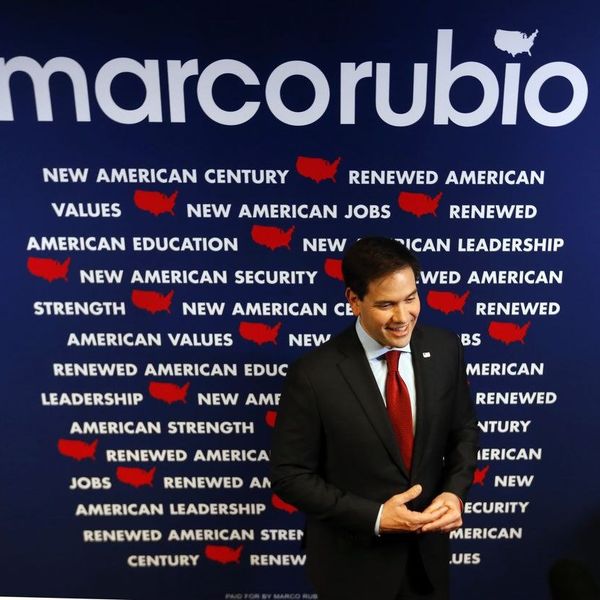
Now that we've gotten the political rhetoric study guide out of the way let's talk Iowa caucus Republican results. Deviating from previous polls, Ted Cruz came out on top and beat former front runner Donald Trump by 5 percent. Cruz accrued 29% of the vote and Trump 24%, followed in a close third by leading establishment candidate Marco Rubio at 23%. What do these numbers mean? This means that Trump may not be the leading "outside" candidate for long, as Cruz's extensive ground campaigning in counties across Iowa greatly paid off for him in the end. As far as establishment candidates go, Marco Rubio has taken an expected lead above the other establishment candidates and his only 1% difference between Donald Trump could be an omen to the Trump campaign.
On the Democratic side, the caucus ended in what could be best described in presidential hopeful Bernie Sander's words as a "virtual tie" with Hillary Clinton winning by a margin of only 0.3%. Clinton walked away with 49.9% of the vote and Sanders accrued 49.6% of the vote. Martin O'Malley managed to scrape up less than 1% of the vote, suspending his campaign with only 0.6% of the vote in Iowa. What do these numbers translate out to? For one, it shows that Hillary is still in the lead and will be a difficult rival for Sanders to compete against, however, Senator Sanders has shown he is not a third-rate candidate who will not easily be defeated. With polls in the next primary state, New Hampshire, showing strong numbers for Bernie, Iowa may be an indicator of the major momentum the Sanders campaign is gaining against Clinton, especially among younger voters.
Hopefully I've shed a little light on the Iowa caucus and what exactly it is, be sure to pay attention to New Hampshire in the coming week! The New Hampshire primary will occur on February 9th, you can watch live coverage on many news sites such as C-SPAN and I highly encourage you do so.