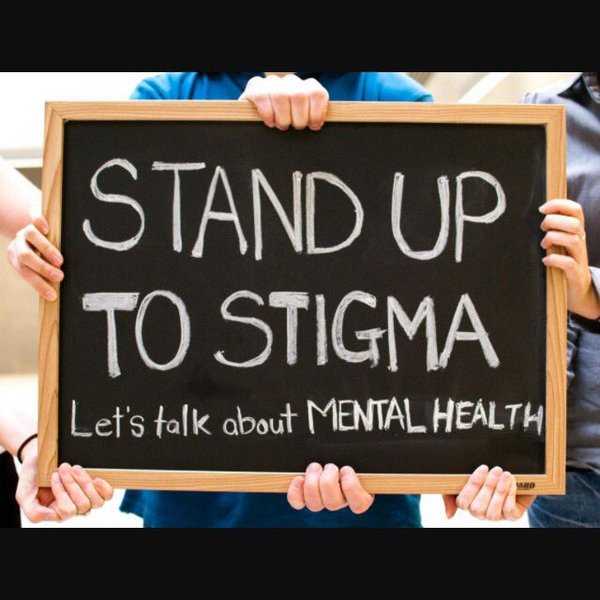


College can be an extremely difficult time for everyone. We're trying to keep up with our schoolwork, maintain a social life, stay healthy, and keep standing with the weight of our futures on our shoulders. We never really think about those around us suffering from an often invisible issue: mental illness. This issue remains unnamed do to the intense stigma--a mark of disgrace associated with a particular circumstance, quality, or person -- that surrounds the discussion of mental health.
There are many types of stigma surrounding mental health and mental illness. Mental illness is often not talked about by those who are diagnosed, due to the fear of judgement and labels. This then creates a perceived idea that mental disorders are uncommon, when in reality one in four young adults between the ages of 18 and 24 have a diagnosable mental illness. People are often hesitant to seek help due to stigma, even if it proves to be harmful.
There is also a stigma within the general public as well. There are many misconceptions and myths surrounding mental health that make it seem like something shameful. Television and politics make mental illness sound violent and threatening, when in reality so many of us live with mental disorders such as Depression, Anxiety, and Bipolar Disorder daily. Just because mental illnesses are often invisible to those who don't know the signs, or even to those who do, doesn't mean they are any less painful.
Education on mental health is the most important way to combat stigma. Once we unlearn these myths, we can open ourselves up to giving the attention needed to others, as well as ourselves. Education opens up the conversation, and with healthy conversation may come less fear of judgement, because it is OK to seek help and bring the unseen pain to light.
Allowing mental health to become a conversation on college campuses is important because we all deserve a learning environment where we can feel safe. No one should feel like they should hide something beyond their control. Allowing this conversation between students, especially between friends, can lesson the pain and fear of judgement, and ultimately save lives. Those suffering shouldn't have to suffer in silence. The more people there are who know the signs of Depression, or know what they can do to help a friend with Anxiety, or know what to do when their friend tells them about their eating disorder, will make community and friendships stronger. And in the end, this will make everyone, especially those with a mental illness, have a better learning and college experience.