
While picking up my typical cocktail of medications from my local pharmacy, I was told by a pharmacist that one of my new, psychiatrist-prescribed medications would need to be cut in half. What the pharmacist said next had me realize that even subconsciously, my diagnosis of bipolar disorder stigmatizes me and puts me in a category of what neurotypical people believe all bipolar people act like. These pills, meant to be cut in half with a purchasable pill cutter, was an easy direction for me to follow. Until the pharmacist told me, "If you don't have a pill cutter, you can use a knife. I mean, that is if you're allowed to have sharp objects."
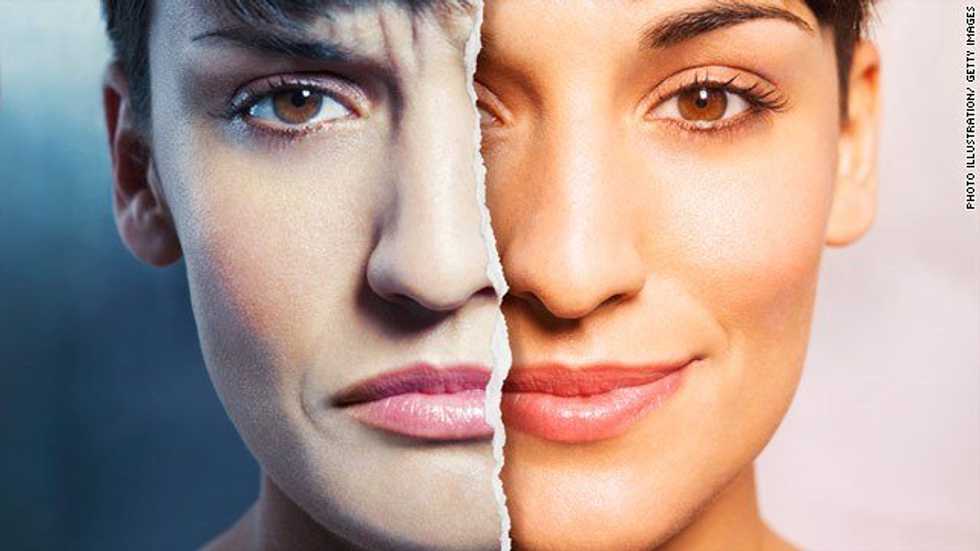
Bipolar disorder is often categorized as manic and depressive episodes occurring several times over the course of a year. Of course, there are many different varieties: type 1, type 2, not otherwise specified, and rapid cycling. All of which have varying degrees of symptoms as well as manic and depressive episodes.
A common assumption with people who have bipolar disorder is that we are dangerous, to ourselves and others. While that may be true, and sometimes presents as a symptom of the disorder itself, it is not everyone. It is not me. The plethora of medications I pick up monthly do not stop violent outbursts, because dangerous outbursts have never been present in me, despite what the pharmacist may have thought. The medications control my personal, individual symptoms and stop episodes of mania and depression from being too extreme. Someone’s symptoms should not stereotype or stigmatize them. It is the manifestation of an untreated disorder; most of the time these symptoms can be controlled with medications and therapy.
Do not walk on eggshells around me. My personality will not change on the drop of a hat. When I divulge that I have bipolar disorder, people treat me with kid gloves. Or, they seem more interested in me than they had been previously. I am not a manic-pixie dream girl from some John Green novel. I have my own aspirations and self-control. I don't need someone constantly saying what they think I want to hear in order to avoid an 'outburst'. Newsflash: the outburst will never come. I am not fragile; in fact, I am strong.
Some people believe that bipolar disorder is an excuse for being moody or indecisive. Mood swings can occur in the disorder, but we have emotions just like anyone else without it being an episode. I can feel anger, sadness, happiness, and excitement without it being a symptom of my disorder. Nobody would say that a broken ankle is an excuse to not partake in physical activity. My illness is not visible, but my capability to come from rock bottom to my successful present shows that I can have a healthy, positive life. So, you may not see my bipolar disorder, but it is there. Yet, most of all, I don’t need to validate myself for anyone.