


It’s no secret between the two of us, nor is it a secret between any of my direct family members. The only difference is that, despite majoring in political science, I tend to keep my mouth shut. If, in the course of a potential debate, I decide that staying quiet will weaken my position in the conversation, then I do one of two things: first, I tell my opposition what he wants to hear. Second, I just use my profane straight-talk approach and tell them that there hasn’t been a group of politicians like the Kennedys since JFK and RFK were assassinated. More often than not, I use the first approach with my dad, despite the two of us hardly talking about politics. Do not get it twisted. I love my dad. However, I have some nasty thoughts about Republicans. However, I also have nasty thoughts about politics, too. And since the United States Presidential Election of 2008, I have watched, experienced and listened to, on TV and in person, endless amounts of bigotry, mudslinging and verbal cheap shots. Politics have become way further to the left and right than they have ever previously been. Do you and one of your relatives have outstandingly opposing views on something? Take these concepts into a deep consideration:
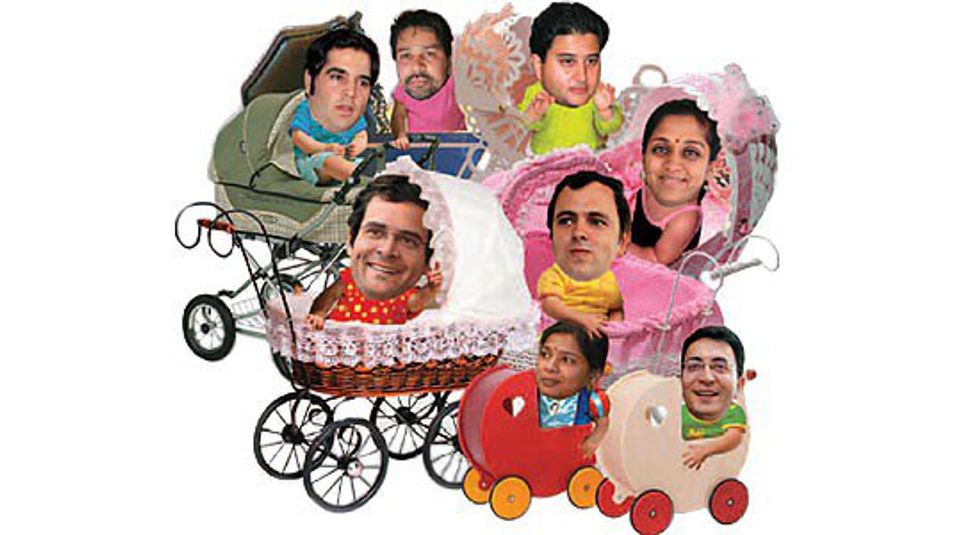
1. Remember it’s your family.
My granddad ended up leaving the dinner table one afternoon, and went to bed because my uncle isn’t a big fan of unions. Granddad was a blue collar worker for most of his life, and his brother-in-law was an accountant. Clearly, this didn’t play well with him. Of course, some individuals are far more sensitive than others. But in the long run, the best thing to do is avoid political discussion at all costs unless the time and location is appropriate. Take things with a grain of salt. As President Kennedy once said: “You cannot negotiate with people who say what’s mine is mine and what’s yours is negotiable.”

2. If you need to get a point across, do it quickly and gracefully.
Say it, but be genuine. As dirty as politics have become in the contemporary world, it is always a good idea to be authentic while remaining true to your beliefs. Also, use all attempts possible to avoid narrow-mindedness and see both sides of the spectrum. I get it, you don’t agree with this idea. It’s human nature, and there is nothing you can do about it. Of course they will be inclined to argue back. This also is human nature. So is the fact that one side believes that their argument is the right one. If it comes right down to it, appease. I have found it to be incredibly useful.

3. Think ahead.
You just need to. And in my case, it is likely you will fumble your speech and make a fool out of yourself if you do not prepare your thoughts and act aggressively.
4. It’s politics: there’s literally no right answer.
And I kid you not, some of the political things I see on my Facebook news feed is ridiculous. Much of it is irrelevant, and much more of it is inaccuracy. So what if a liberal thinks the lower class needs assistance? So what if the conservatives think we need to take hard stances on radical Islamic terrorism? You know what, they are both correct. And I also believe that terrorism needs to be taken seriously. But diving deeper means that divisiveness is more likely to occur. Donald Trump thinks immigrants are messing up the economy, and Bernie Sanders thinks that college should be “free.” Now, I wholeheartedly disagree with these men, especially Bernie Sanders. I think some rates are relatively high, but, seriously, nothing in this world is free. Am I right about these things? No, not at all. Because in politics, you have one side, and you have the other. And when Congress writes a law, the President can sign it and enact it or veto it. The Supreme Court then interprets it and it either becomes policy or it doesn’t. Moralistic values play very little roles in the policy-making. They might have a huge role in ideological preferences, which have come to dominate politics in the 21st century, but not surprisingly, preferences are not relevant.
5. Don't be "that person."
That person who is always inclined to argue and will go to any odds to get their point across. That person at the dinner table who keeps on talking and will never give it a rest until somebody makes an attempt to interrupt them. If you know precisely what you are talking about, feel passionate enough and have background information to back up your argument, then please disregard this bullet. But narrow-mindedness is a bliss, about as much as ignorance is. And political discourse is usually a subject of widespread controversy that requires a good amount of education on and, if you want to be even more knowledgeable about it, news reading.
Granddad absolutely hates talking about politics, but watches the news and reads it practically every day. Me? I just keep up and if I feel like there is something worth conversation, then I will totally bring it up. My point being that, more often than not, there will likely be political differences within a family unless somebody comes from a predominantly liberal (or conservative) family. Of course, it also depends on where you live. Kudos to the inclined who maintain a steady balance between discourse and interpersonal relationships.















