
According to Mental Health America, there are more than 200 classified forms of mental illnesses. Of course, many of these aren’t as common as depression and anxiety. The Anxiety and Depression Association of America states that anxiety disorders are the most common mental illness in the United States. How common? Well, 40 million people over the age of 18 suffer from an anxiety disorder. This can range anywhere from acute anxiety to very vicious forms of OCD. As for depression, it is the leading cause of disability worldwide. Around 350 million people suffer globally. Since depression is the tenth leading cause of death in the United States, this isn’t anything to take lightly. There is one death by suicide every 12 minutes in the United States and we can stand up to help slow this rate. There are so many amazing websites and numbers to call if someone is battling with depression.
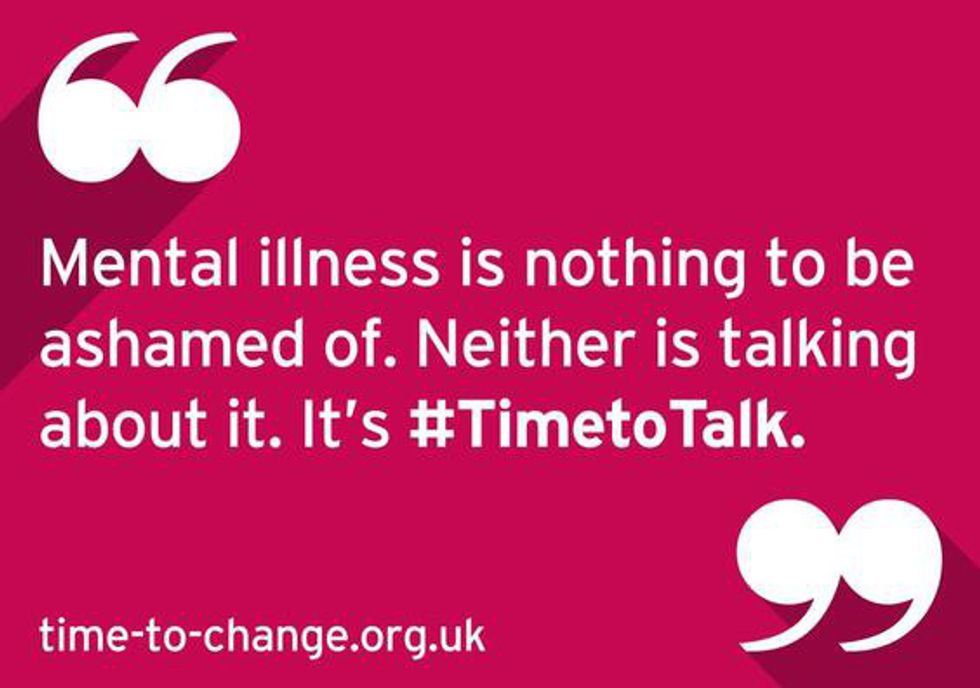
Although depression is sometimes a silent killer, there are signs that someone is suffering. Does this person withdrawal from social interaction? Does this person lose interest in things they used to like to do? Does this person have difficulty concentrating? Do they feel worthless or helpless? Do they have a change in appetite?
All of these are common signals that someone isn’t all right. Now, one can’t approach and start accusing that their friend is depressed. Instead, ask them if they would like to talk to someone, a friend, a counselor, a therapist, so they can get to the root of the problem.
Erasing the stigma is all about eliminating the easy to say phrases and connotations associated with depression/anxiety. It’s easy to speak without thinking but if you fail a math test please don’t say “I did so bad, I want to kill myself.” That isn’t how it should be looked at. It may be something that is so easy to say for one person, but so many people have to struggle with it and fight it out of their head. Or someone saying “I’m so anxious right now, I want to jump off a bridge.” Both phrases can easily be swept over the shoulder unless someone was waiting for a sign. One that tells them that it’s OK, because it’s “cool” to think that they can want to die, that it’s OK that they can have suicidal ideations without anything being wrong with them. 
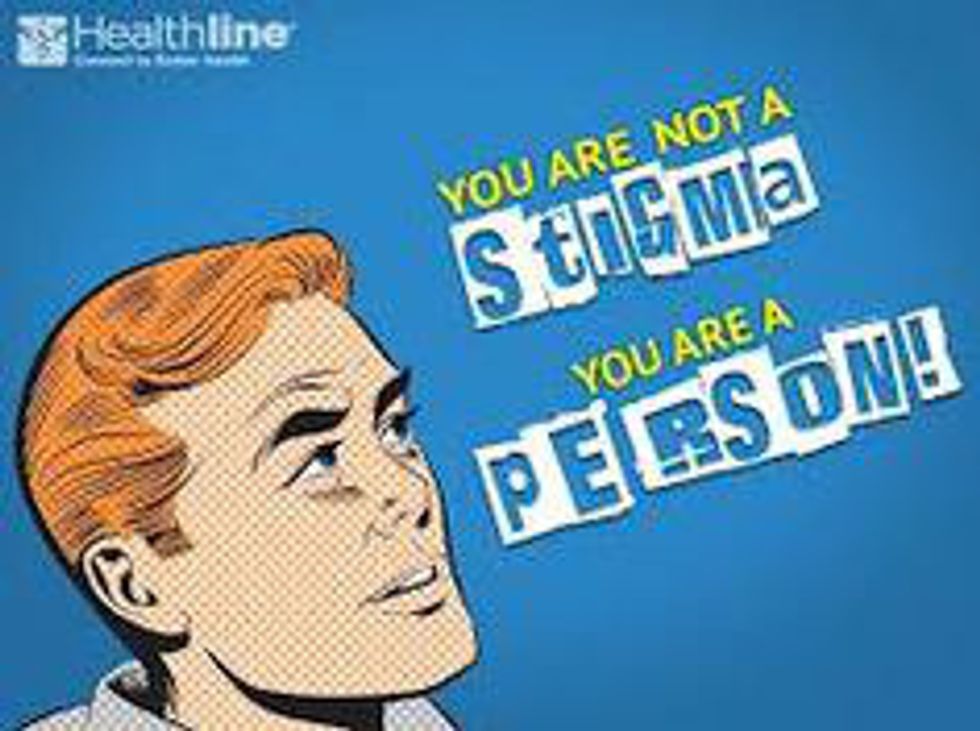
Wrong. This is the stigma that we are trying to erase. Of course it won’t be easy, but there are also steps to take that will help make progress in the right direction. If someone says how they’d rather “kill themselves” instead of going to school, tell them that you’re uncomfortable when they say that. We have to acknowledge our own connotations and beliefs first (this includes stereotyping to any mental illness). See people as more than their diagnosis, see them as a person with dreams and aspirations. And most importantly, take a stand against discrimination. 
For the bigger community, use positive interactions with people battling mental illnesses and think about how someone talks about mental illness and what is the best way to show that a “brain disease” can be over 200 different things.
Let’s show that no one is defined by what it says on their chart. That everyone can be comfortable in their own skin. That they are warriors battling something only they can see. Please help us #stompthestigma. After all, you never know who is listening.
A big way to help is to get informed. Use the internet to see what is really going on in someone’s mind.