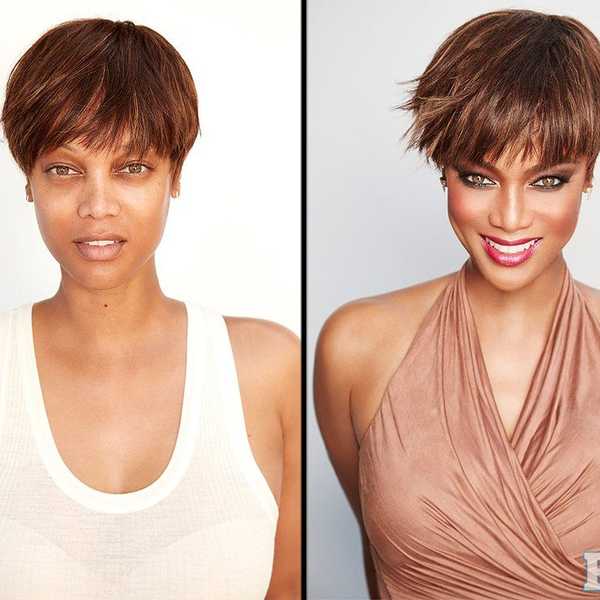
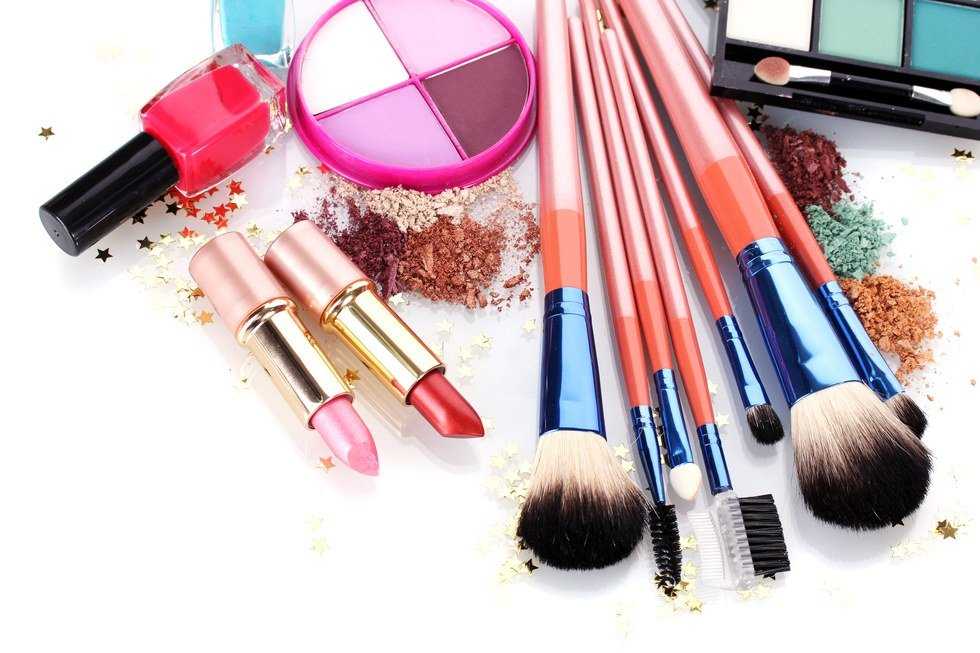
If you were to search “makeup tutorial” on YouTube, the site will render almost 9 million results. If you were to watch a one-hour long television show, you will see approximately three to four different advertisements for a makeup or skincare product. If you were to observe all the women you come into contact with for one day, you will find that at least two-thirds of them don makeup in some sort of form or fashion. As Olga Khazan writes: “Makeup, in short, is a norm, and nothing ruins a first impression like a norm violation. Some women contend they only wear makeup to “boost their confidence,” but the reason they feel less confident when they don’t wear it is that there’s an expectation they will.” (You can find her full article “The Makeup Tax.” Society can make you feel wrong for not wearing makeup. Women who opt out of “war paint” disobey a major folkway and are subject to criticism. In this day and age, if you are unable to sport a flawless application on your face, it can make you feel inadequate. The new burgeoning consensus among younger generations of women is that they need to wear makeup in order to feel beautiful, accepted and validated.
This current ideology about the necessity of makeup for women needs to be crushed. Even children are picking up on this growing trend; my cousin is 10 years old and spends hours a day on the internet looking up makeup tutorials. She then proceeds to spend at least an hour in her room, daily, applying her own makeup. I also recently viewed a makeup tutorial on Facebook made by a 4-year-old. Children emulate adults, especially family members, so when they see the role models in their lives rely on makeup, they begin to believe they should rely on it too.
I’m not trying to convince anyone to stop wearing makeup. I like makeup; I wear it almost every day. Makeup can be fun to wear and fun to apply. When I wear makeup, it does make me feel more attractive, but that is exactly what it is designed to do: make the wearer feel more attractive. However, women shouldn’t feel unattractive without it. That’s the true problem makeup is presenting to young women today – the perception that they are not beautiful, adequate, and normal without a full face of makeup.
As Khazan again accurately sums up, not wearing makeup can be a terrifying thing: “But for many of us, showing up at the office or a bar without at least a swipe of blush and some mascara results in a day spent being asked if we have the flu…” Our modern day society – makeup wearers included – has ingrained the idea that makeup is an integral part of how a woman should look within the brains of its members. I myself have anxiety some mornings about if I have applied enough makeup; other times I get stressed out if I can’t replicate the perfect smoky eye look I saw in a magazine. Sometimes, my makeup skills (or lack thereof) make me feel inadequate. But in reality, am I really less of a woman if I don’t know how to properly contour? Does it make someone else any more of a woman if they do? The answer to these two questions is “no.” Your femininity should not be defined based on an arbitrary skill such as applying makeup. Nor should your sense of attractiveness, value and worth depend on the stuff painted on your face.
The world of makeup and its subsequent, fleeting trends, when embraced as heartily as they are in today’s world, can cause monotony in women’s faces. Soon, there is one “look” that every young woman is trying to achieve. Unfortunately, in order to fit it, your personal discrepancies must be hidden.
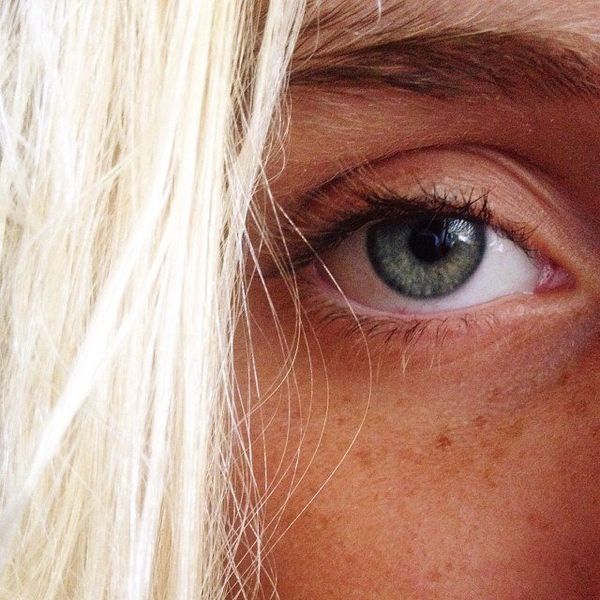
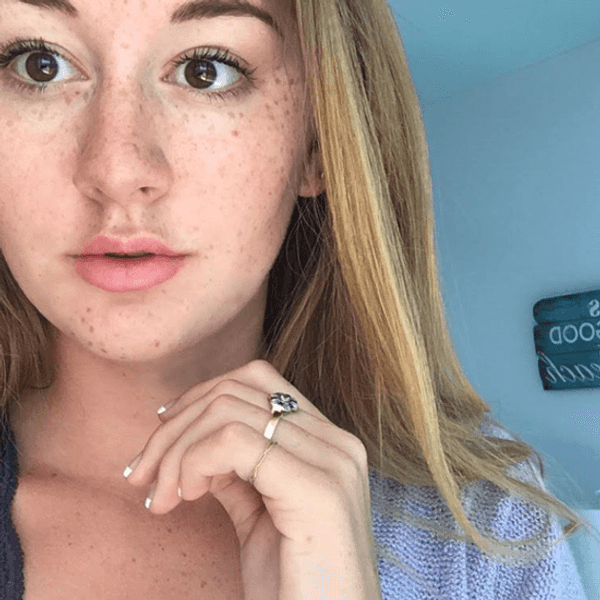
I have a friend that wears a considerable amount of makeup. The first time I saw her without it, I was floored – she had freckles! I never even knew she had freckles because she thought she had to keep them covered up all the time. Sadly, she felt that freckles, her natural complexion, did not align with the societal notion of “beauty” and so she was forced to hide them in order to retain her personal sense of attractiveness. Makeup can sometimes cover up the things that make you you, the things that make you different and beautiful in your own special, unique way. It will not only physically cover these things up, but mentally as well. Since my friend had mentally decided that freckles were not beautiful, anytime she saw those freckles on her own face, she felt that she was not beautiful either.
I have acne scars on my face and pores the size of Texas, but all of the “imperfections” I have show that I am a real person. I live in the real world, not the one filled with Hollywood’s smoke and mirrors. I refuse to be threatened by society into wearing makeup because that is what I am supposed to do to be beautiful and normal. I ask the readers of this article to re-examine the reasons why you do or don’t wear makeup; do these reasons arise from you personally or from what you think is expected of you to do? What is the driving factor that influences how much makeup you wear on a specific day? Do you feel that makeup is an important piece in your own sense of identity?
I asked myself these questions and was surprised by my responses: I wear foundation to cover up acne, but I wear everything else because I like the way it makes me look and feel. I still feel pressures to try and replicate other women’s makeup, but ultimately, it’s not something I should stress over for even a second. On a specific day, my makeup depends on my outfit. If I am wearing a dressier ensemble, I like to do more of a stylized makeup look, but if I’m just chilling in running shorts and a T-shirt, I may wear little to none at all. I do think that makeup makes up a small piece of my personal identity. However, as I become more aware of the effect makeup is having on young women today, I don’t want to be defined by anything other than my thoughts, beliefs, and actions. I want to be a role model of positivity to the people around me. I want to learn how to not apply makeup and still feel complete.
I have a wall hanging above my makeup area in my dorm room that reads: “Don’t be concerned about the outward beauty of fancy hairstyles, expensive jewelry, or beautiful clothes. You should clothe yourselves instead with the beauty that comes from within.” (1 Peter 3:3-4 NLT) True, this quote doesn’t technically mention makeup, but the sentiment is still there. Keeping up with makeup and its trends will not make either me or you truly feel beautiful. The only thing that will is believing that we are… with or without makeup.