
I entered the world of mental illness very early in life. I was diagnosed with depression at twelve and anxiety disorder at fifteen. Therapy, medications and coping skills have been a large part of my growing up, but I’ve just recently began to work with other students and people who struggle with mental illness as well. It’s been a new experience to hear their stories and be able to say, “Me too!” to things I felt I was alone in. As I’ve acquired more friends with mental disorders and have taken steps to be more vocal about my own, I’ve realized loving the mentally ill has a different set of rules.
As a person with a mental illness, normal situations can be very overwhelming sometimes. Where a mentally healthy person may see a room full of strangers as an opportunity, a person with anxiety disorder sees a nightmare come true. A person with depression may see the jam-packed schedule as overwhelming rather than fun-filled. The person who struggles with disordered eating sees a late night ice cream not as an escape but a threat. The truth is even if you don’t personally have a mental disorder, it is very likely someone you know and love does whether you know it or not. Having a mental disorder does not make you harder to love or less deserving of friendship and happiness. I would argue the exact opposite.
People with mental disorders fight battles every single day others can’t imagine, and they still find the strength to smile and ask about your day. They deserve to be loved, cherished, and appreciated, but you may have to show them you care differently. Here are a few helpful tips for loving someone with a mental disorder:
1. Have a safe word/code word.
Panic attacks, bouts of depression, disillusionment and disassociation can all come on very quickly. Your friend may seem fine, but if something triggers them they can quickly find themselves in a very dark place. Establish boundaries and designate a word or phrase that lets you know you need to get them out of that situation and somewhere where they feel safe. I suggest something that could be brought up in conversation easily but also allow for a hasty exit.

2. Establish boundaries.
When I have a panic attack, I actually like small spaces. I like to be hugged or wrapped in a blanket. I don’t feel confined, I feel safe. Other people are the exact opposite. Never assume what works for you works for other people. Ask them in a respectful and loving way. If they need to be left alone, respect that. If they don’t want to be touched, respect that, and make sure other people respect that, too. If you’re a real friend, you’ll want what is best for them even if it’s different to you.
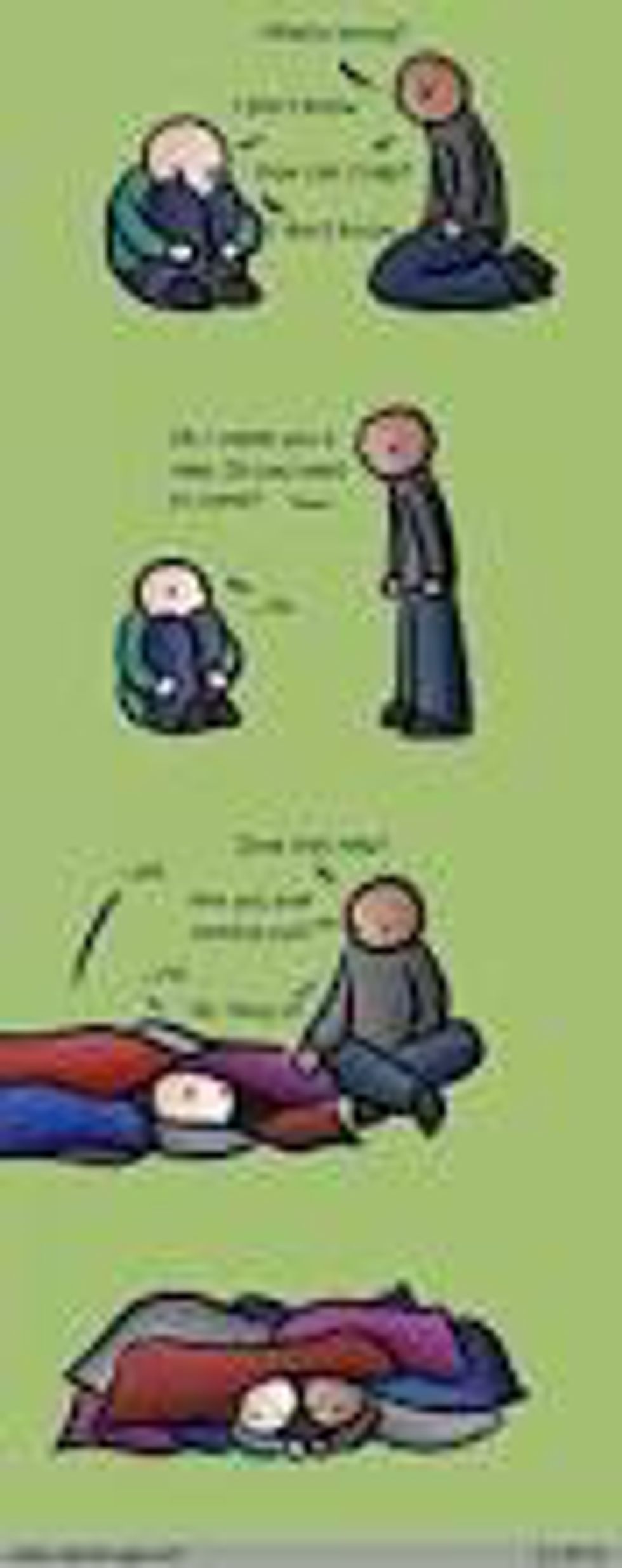
3.Let them know they are loved.
A major side-effect of many mental disorders is negative self-talk. What this means is that when a person with one of these disorders is triggered, a record of negative things begins to play in their head. You are worthless, you are hopeless, you are a burden, etc. They feel like having a mental disorder makes them hard to love. They feel like they make your life harder. The best way to turn that record off is to tell them every single day it’s false. Give them a new record to play in their head when you can’t be there. You are wonderful, you are important, you matter, you are loved.
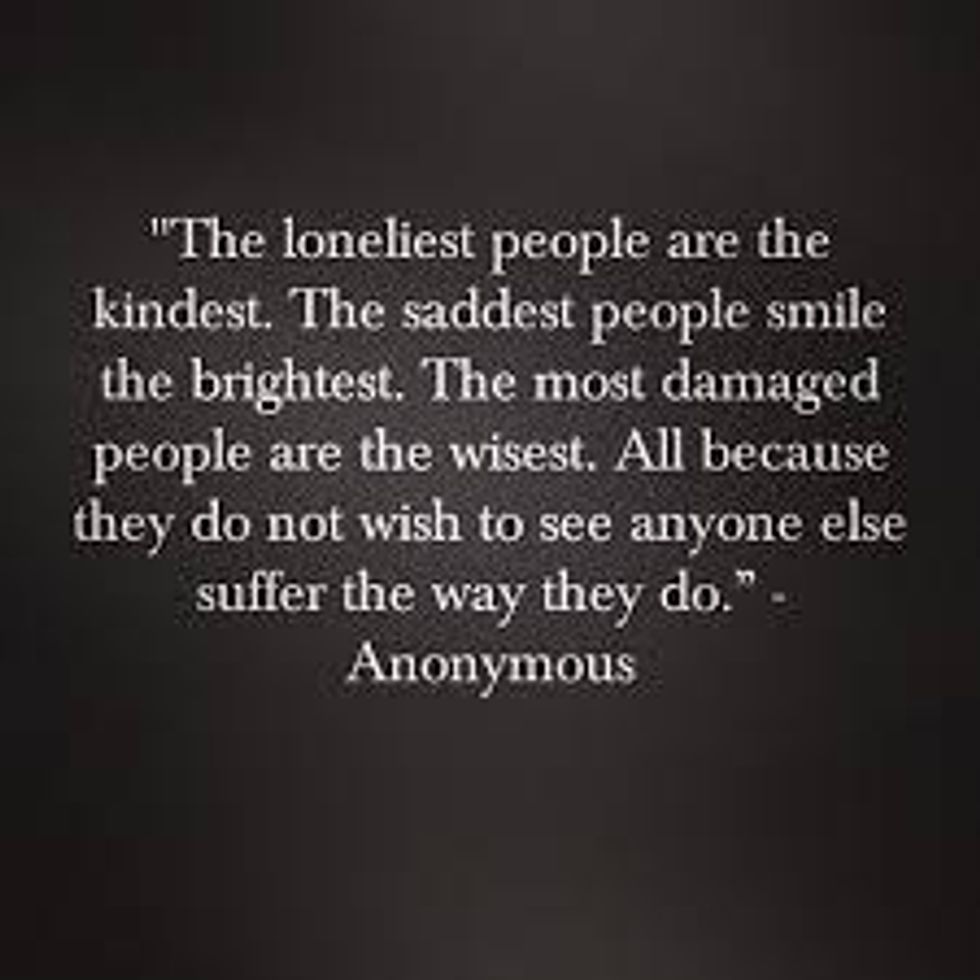
Loving someone with a mental disorder is like loving someone with diabetes. Having diabetes does not make you any less of a person. Having a mental disorder does not make you any less of a person. If you have a friend with diabetes, you understand their illness does not define them, but that doesn’t mean you ignore it. You know what to do if their blood sugar drops, you help them be mindful of what they’re eating, and if something bad happens you do your best to help. Loving a person with a mental disorder is no different. You educate yourself, you know what they need and when you don’t know you ask, and you stick with them because you love them. If you can’t love a person because they have a mental disorder, you don’t deserve them anyways. The greatest people I know have trouble getting out of bed some days. The kindest people I know have been hurt very badly. The funniest people I know have real sadness within them. Loving and being loved by someone who has seen the darkness of life, but chooses to acknowledge the light is a blessing and a gift. Don’t take them for granted.