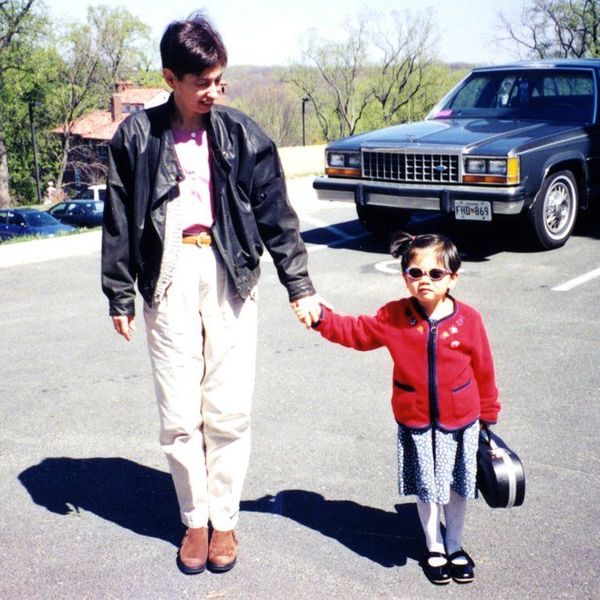

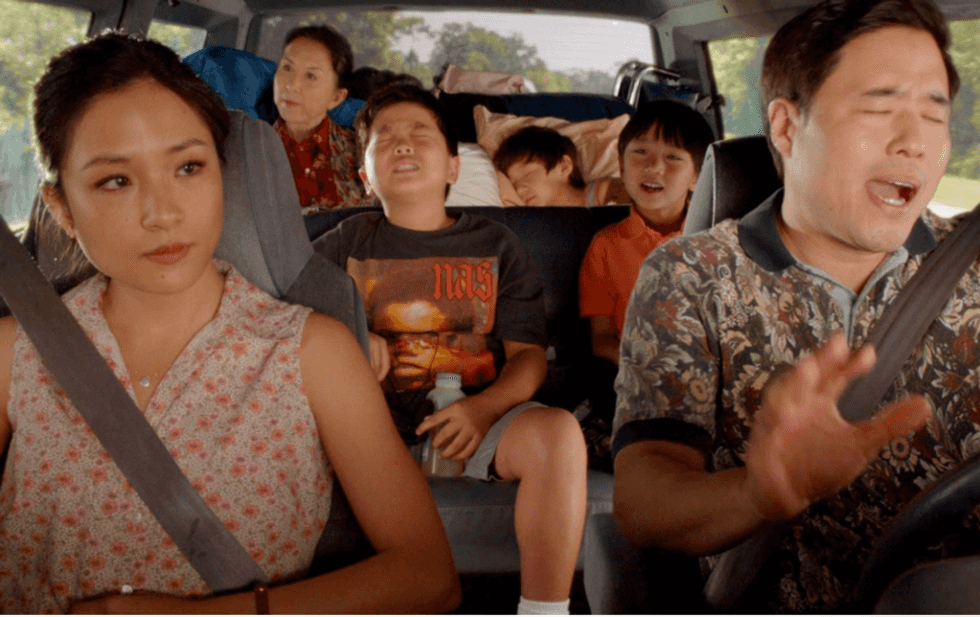
Before shows about Asian American families could successfully run multiple seasons and before mainstream media paid attention to the struggles of American minorities, I was pretty confused about race. As a first generation American citizen with non-English speaking parents, I often say I learned about American culture from after-school PBS cartoons. But my dad was the one who taught me how to gut a fish and de-bone a chicken and my mom made sure I respected my elders. By watching their example, I have learned the customs of my conservative Thai parents, but by watching Grey's Anatomy and The Tyra Banks Show, I learned about the social interactions and the cultural standards I continue to rely on today. So where does my parents' culture end and my adopted American culture begin?
It's something I've struggled with growing up in the current age of instant information and endless entertainment. Raised in a Texas suburb, I tried everything I could to be a "white Asian," distancing myself from people who looked like me to justify my value to my peers. I saw my parents' inability to communicate with fast food workers and middle school teachers as a symbol of their inability to assimilate into a superior culture. I've wrestled with versions of this sentiment for the greater part of my life. I understand now how much that inability to accept myself was due to the under-representation and misrepresentation of Asians in our media and our history books. Lately, because of the stark racial inequalities brought to light in the past year or so, I've been thinking a lot about my relationship with race.
(Photo from Wikipedia)
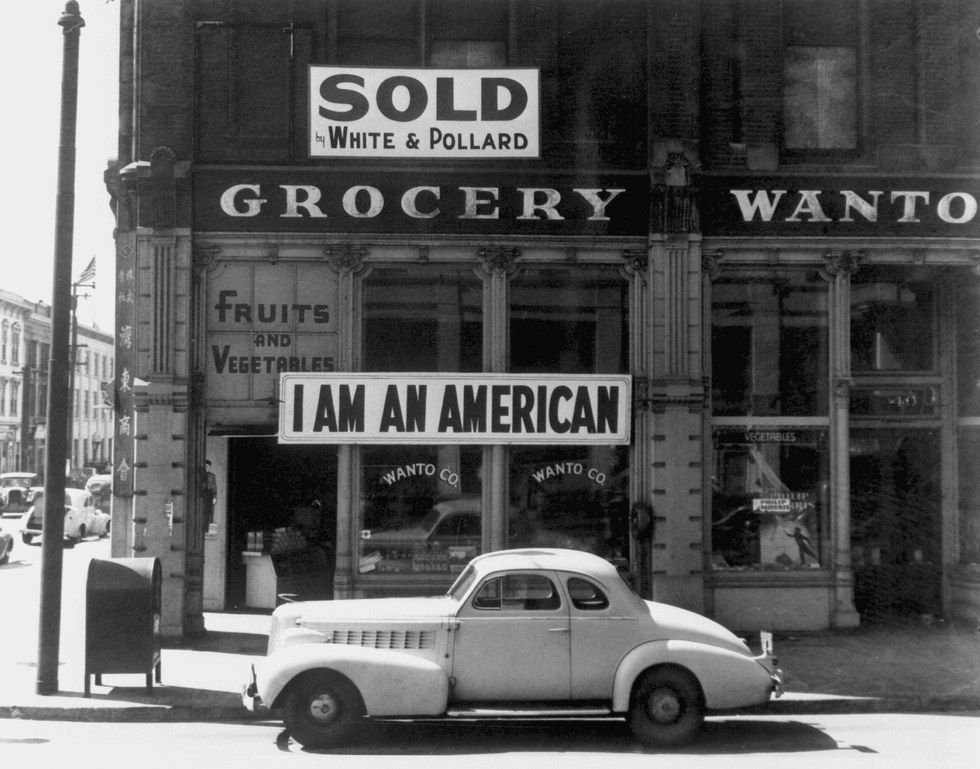
This past week marks the 74th anniversary of Roosevelt’s Executive Order 9066 which relocated Japanese Americans to internment camps during World War II. As a painful period in our nation’s history and in Asian American history, the Japanese internment camps must stand as a reminder of our need for unity and humanity in times of fear. This year’s anniversary is incredibly poignant following xenophobic comments made by our politicians and presidential candidates towards Muslims and the ongoing mistreatment of black people through systematic racism and police brutality. With racial tensions coming to a head, let the inhumanity of the camps be an example of what we desperately need to avoid: the mistreatment, ostracism and exclusion of another group of Americans. With race now being so widely discussed, we have to utilize this conversation to ensure a more tolerant America for generations that follow.
(Photo from OOGEEWOOGEE)
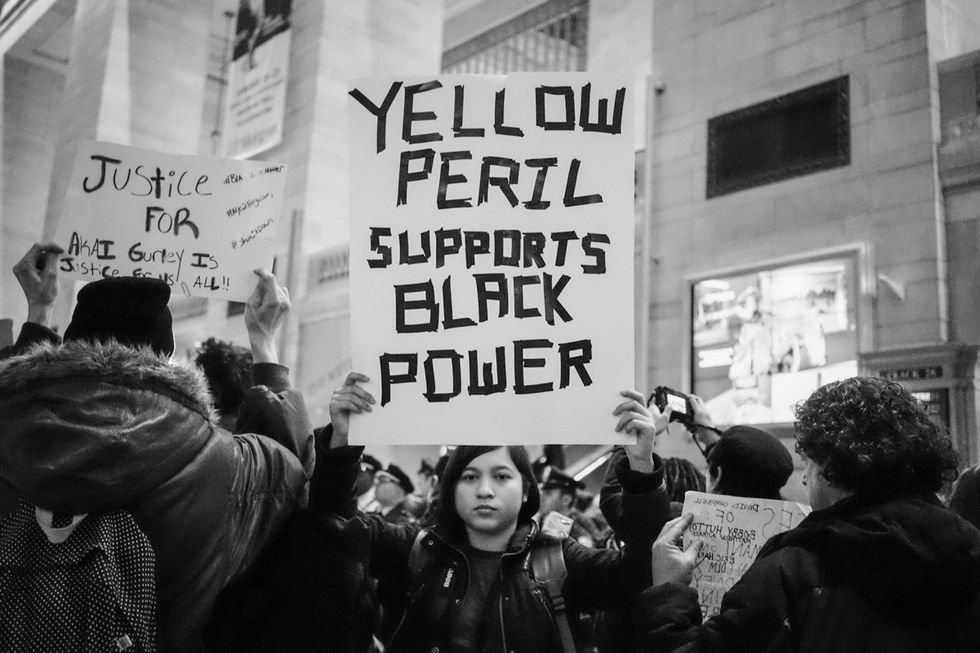
These days, I embrace my heritage. I’m proud of who I am and where my family comes from. In order to address these types of experiences and the strife of other Americans, I had to learn to accept myself. It's often painful to admit how long it took for me to come to terms with my heritage. Nowadays, I am beginning to see the idea of culture as something far more fluid than concrete. We create these borders to understand groups of people, and in the kind world we live in, the borders are blurring fast. Understanding my own culture has helped me to empathize with the struggles of other minorities. We need to strive to address ingrained racism both in society and in ourselves. It is important, now more than ever, that we, as young Americans stand together against racial discrimination and call for better representation of all minorities in both politics and media.