
 Having a disease that is not yet known or taken seriously can be difficult. As a disclaimer, I am not saying that this particular disease is more difficult than other more well-known diseases because it is not and, in some ways, is probably easier. Every thing that someone has to deal with like this is hard in a unique way and for different reasons. However, there are certainly some times when I wish that if I had to have a disease, it would be one that is more well-researched and that everyone has heard of, as it might make my life easier. I am often not taken seriously, or my disease is dismissed as an allergy, which it certainly is not, though allergies are something to also be taken seriously, especially while dining out.
I have Celiac disease, a genetic autoimmune disease where if the person ingests gluten, the villi in the small intestine get worn down. This may not sound like much, but it can cause the person to have severe stomach pains, become malnourished and be at a greater risk for developing other autoimmune diseases or even colon cancer. The only known cure for the disease as of now is following a strict gluten-free diet. I do realize how lucky I am because technically it is a disease that has a cure.
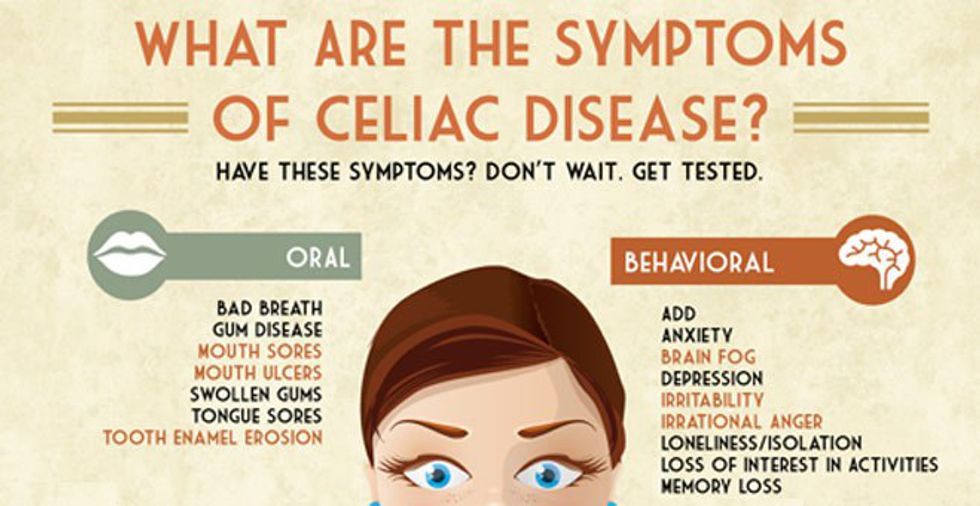
The problem with this, as you can probably imagine, is the recent gluten-free diet trend. In many ways, this has helped Celiac people get better access to gluten-free foods while dining out and shopping, and it has raised awareness, for which we are certainly grateful. In other ways, it has caused some people to dismiss the disease as a trend or a wheat allergy, when, in reality, it is very serious. As I mentioned above, a Celiac who ingests gluten, or is even exposed to a little bit while dining out or using a cosmetic product containing gluten, can face serious long-term consequences, while also suffering the short-term ones of feeling very sick. Stomach aches are also not the only symptom a Celiac can feel after being exposed to gluten. Other unpleasant symptoms can include headaches or migraines, vomiting, digestive issues and diarrhea, mood swings, irritability, fatigue and even depression.
The best way to solve this problem is by simply awareness and education. I think that in my lifetime I will see an increase in people being aware of how serious the gluten-free diet is for Celiacs, as it is already happening. My only hope is that as more restaurants start to offer gluten-free, they educate their staff in how vital it is to take a gluten-free request or Celiac person's information seriously while dining out to prevent these consequences. It has been very recent that Celiac has become a more well-known diagnosis, even among the medical world. Celiac can share symptoms with many other diseases, or it can be hard to diagnose a complaint of digestive or stomach problems. What complicates this even more is that some Celiacs only experience some of the symptoms, such as headaches and nothing else, while others do not have symptoms at all and, therefore, are unaware of the damage they are doing to their bodies.
As Celiac is genetic, it is important to look for this trend in families and to get tested, even if you think that it is remotely what you could be experiencing. It could definitely save someone's life, and the bright side is that there is a cure, though it may not be the most desirable. Hopefully, in my lifetime, Celiac disease will be taken far more seriously and more people will be aware and educated about it, which will make dining out and social situations far more easier.