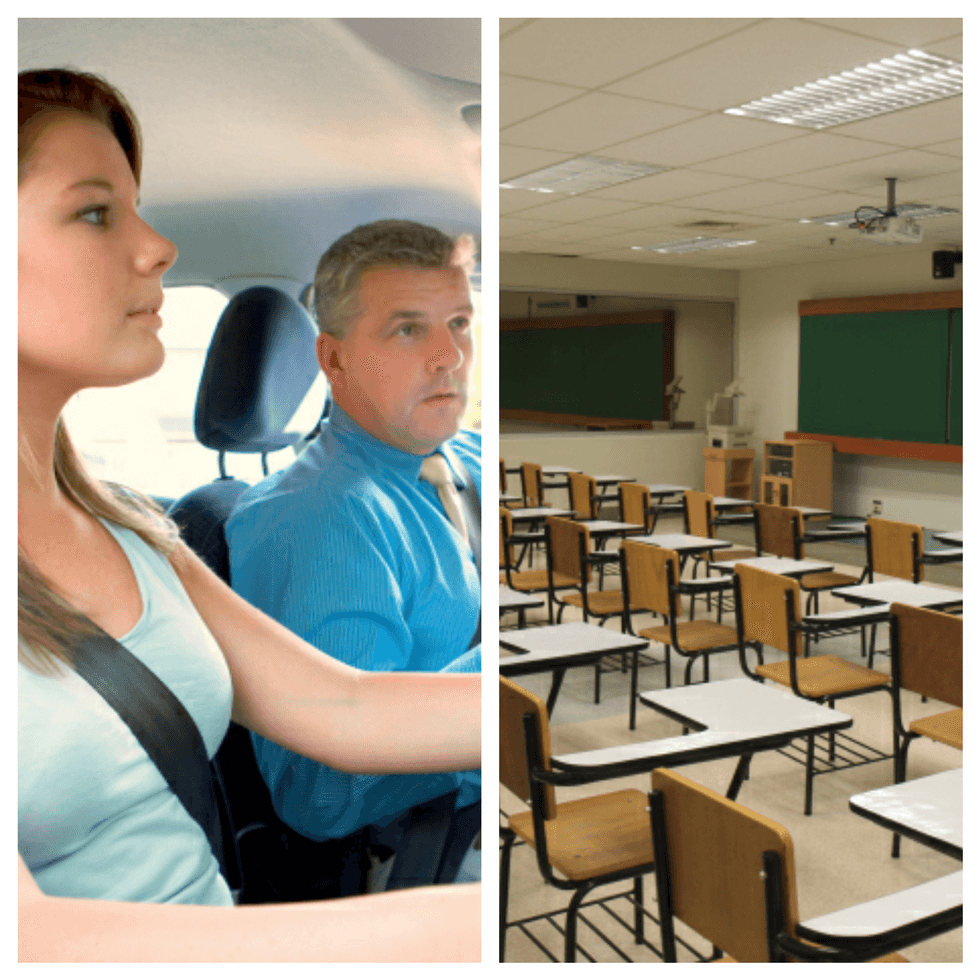
I failed my road test. Twice. This is not for a lack of trying. It is for a lack of attempting to pass the test using a model that it does not support. Let me explain, when I failed for the first time I was devastated because there has never been a test that I have not passed. It is because every “test” that I have ever taken has been in a classroom. So what is so different about these academic tests and a driving test? They are each based on a completely different system of being able to pass the exam. In school, the teacher (usually) tells you exactly what is on the exam, and as long as you study, you will pass. It is not like that on the road test. Driving throws curveballs at you. Yes, you can practice the driving maneuvers that will be expected of you on the exam but when you get in a car you can never predict exactly what will happen. This is because driving is real life, and real life doesn’t hand you neatly organized review sheets of what exactly will be expected of you in the journey ahead. It is up to you.
Just a few months after failing for the second time, I started to realize these subtle connections between the two types of exams and came to the conclusion that the problem is with our education system, not with the driving assessment system. It is failing students across the globe. What is the purpose of school if it does not prepare us for life? After all, it takes up a huge chunk of our lives. Almost 21 years! So shouldn’t that time be put to better use than learning which Microsoft Word fonts are the largest so you don’t have to type as much for your paper without your teacher knowing?
I feel that schools need to throw curveballs at kids. People (myself included, but it’s for the greater good) might not like to hear it, but students would benefit from the return of things like “Pop Quizzes.” They may think that it would hurt their grades but I argue the other way, because if students know that they are subject to a testing of what they learned at any given time, they will be more apt to continuously study the material and have it sink in deeper rather than just cram the material the night or week before the exam which they knew about weeks ago, because life is full of surprises. This is will more accurately align with the model of real life which can be represented by a road test because when you’re driving you never know when you will hit a pothole, when a stop sign will pop up, or the light will change.
So we might as well prepare now, because once we are out of school, how has all of the schooling helped us? Not a whole lot. The two segments of life (school, and post-school) are completely different. While you may keep some of the organizational, study skills and work ethic that it teaches you, which are all very important, the stuff that you are actually studying you are most likely going to either forget or not care about anymore come graduation.
In order to solve this problem at the high school level, I feel that education needs to be localized. When I was in high school, the entire curriculum was based off of an exam administered at the end of the school year called the Regents Exam which was designed by the state capital and then sent off to every school in the state. So then the teachers are mandated to teach only the material to be covered on this exam. They are, in essence “McDonaldizing” education. As you can imagine, this allows for very few “curveballs” and also limits engagement between the student and the material, because they cannot venture their curiosity of the material outside of the curriculum, because since the amount of material on the exam is so abundant any minute of curiosity and knowledge seeking is a minute wasted.
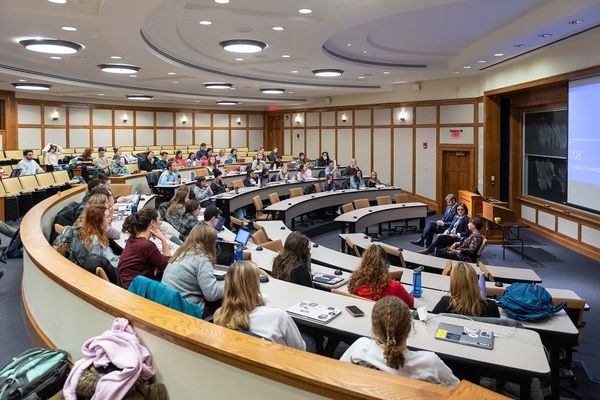
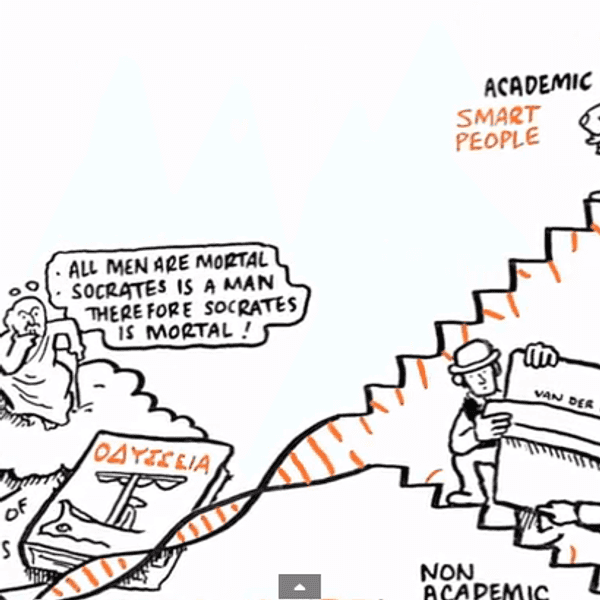
Now you may say that the college model is the opposite of that of the high school model and you would be correct since, although college curriculum must also stick to a strict “syllabus,” the purpose of college is the pursuit of knowledge and enlightenment, there is a problem with this as well. While college professors design the curriculum of their courses, not the state, most of the material covered in college courses are much too scholarly and most students cannot engage with the material, so students simply pull out the material that they “think” is important without really understanding at all why they think it is important.
When material is scholarly like this, it is most certainly to be absorbed for the time being and then thrown away when no longer needed and forget about remembering or even needing the information after graduation. Education as a whole needs to brought down to a “real life” model where not everything is wrapped up in neat packages and then maybe students will better understand real life situations such as why they have failed their road tests.