


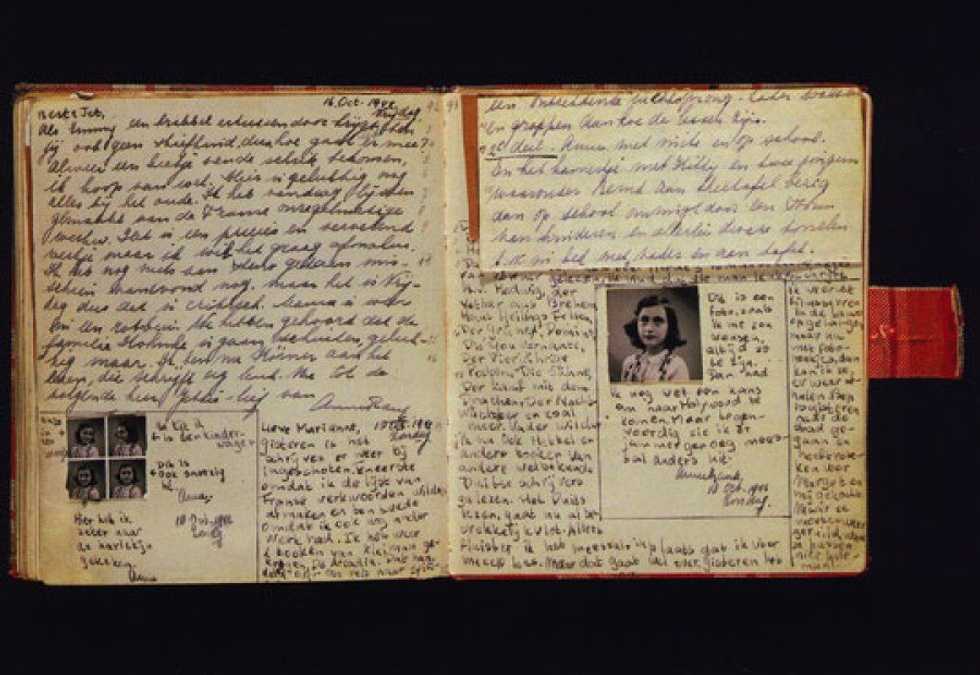
I study Public History. People always look at me quizzically and ask me why I chose Public History, and I always respond with "I want to work in a museum." They usually say something to the effect of, "Oh, that's awesome! What type of museum would you like to work in?" When I respond with "a Holocaust Museum" the person's face usually turns red, and they awkwardly try to shuffle around their words for something else to say. Once they find a muttered response it is usually something along the lines of, "but you aren't Jewish." That's quite true.
At this point, I'm used to the funny looks when I explain that I want to teach people about the Holocaust for a living. Yes, it sounds strange and morbid to be so enthralled with the systematic killing of over 6 million Jews and over 5 million other minorities, but there is a certain depth to the topic that draws me to it. The amount of questions that remain unanswered by scholars drives me to want to learn more about the topic; and the more I learn about my family in relation to the Holocaust has just made my study more personal. The Holocaust is something that I have been tied to for a long time; and it all began with a diary.
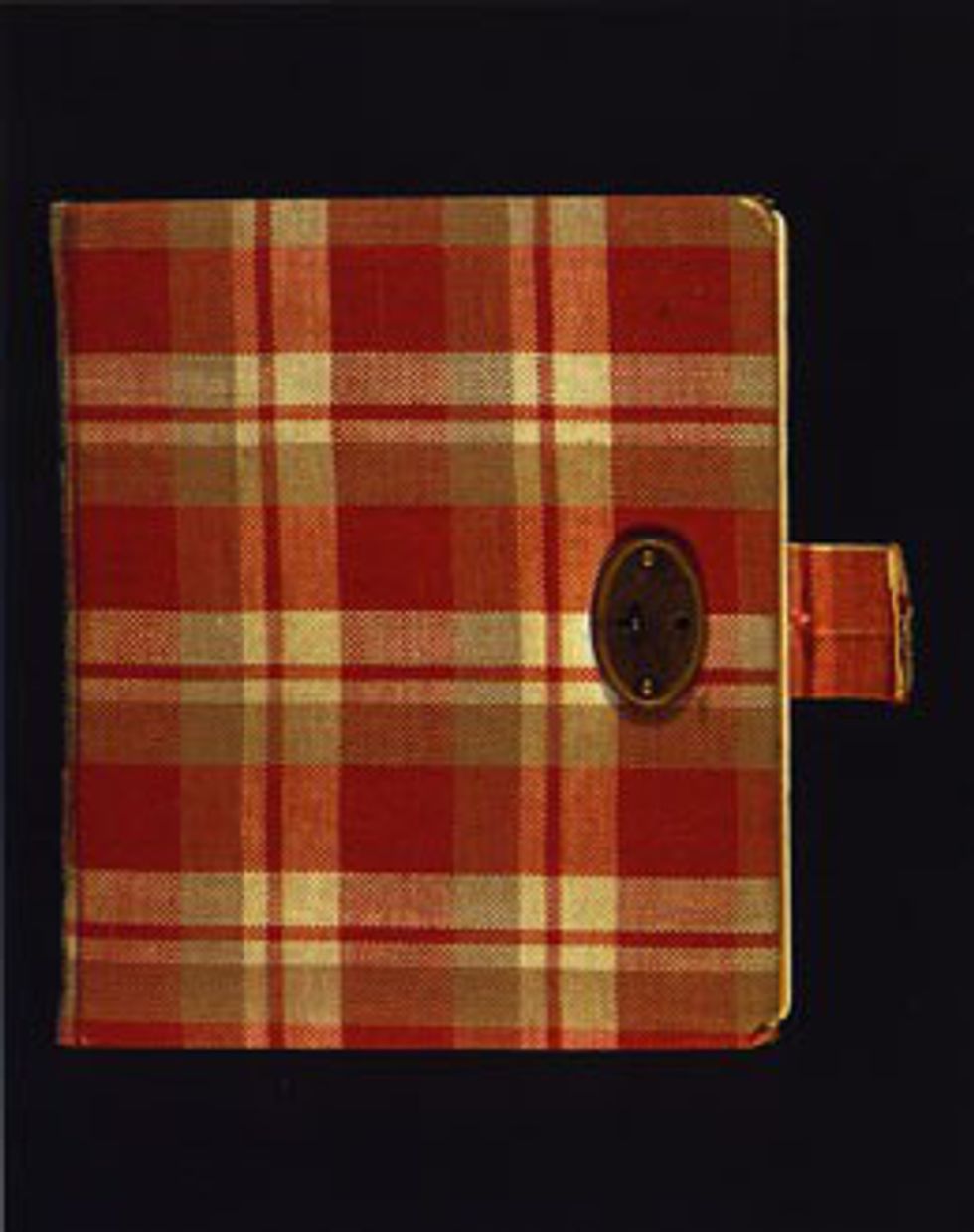
When I was in the fourth grade, my parents gave me my first copy of The Diary of a Young Girl by Anne Frank. This book completely changed my life. Granted, I had read a short biography of Anne Frank prior to picking up her diary, but The Diary of a Young Girl was the first book I had ever read that was by a victim of the Holocaust. For me, her diary was unlike any book I had ever read. Where the Junie B. Jones books had captivated me in my younger years and I enjoyed them so much I could not put them down, I couldn't put down Anne Frank's diary for different reasons; it captivated me and made me question the entire world around me. It made me angry. I know this sounds really deep for a ten year old, but I could not understand why an entire government - or even regime - would ever want to kill a 13 year old girl just because of the religion she practiced. I could not understand why the Nazis would hate people for being Jewish. I could not imagine how I would feel if I were in Anne's place.
Those questions still plague me over ten years later as a college student. In many ways, I think of Anne Frank as a lot like myself; intelligent, talkative and quick witted, with a large imagination, big dreams, and a mouth that can easily get me into trouble. When I read her diary for the first time, I remember being so heartbroken that she had to leave her cat behind when her family went into hiding. Knowing the love I had for my own cat at the time, I could hardly fathom being able to leave him behind knowing that I may never see him again. As a sophomore in college, I even adopted a cat and named it in honor of Anne's beloved furry friend, Moortjie.
When I was young, I was captivated by her relationship with Peter. The notion of being able to experience young love even in the most trying of times was fascinating. I wished I could have a love as innocent and pure as the love between Anne and Peter - but knowing me, I would probably end up being the forever-alone third wheel like Margot, watching as my little sister got the only bit of romance in the Annex. Anne's first-hand narrative of growing up made me feel like I was not alone in the awkwardness of my adolescence. She kept nothing from Kitty, and being able to read her experiences of relationships with her family and the other people of the Annex in her own words made me feel like someone out there knew how hard it was to be young and to yearn for those around you to stop treating you like a small child.
But the one thing I always noticed about Anne's writing was her positivity. Even in the worst of times, she tried to remind herself that there is good in the world. Her endless quotations of wishing for peace and remembering that there is beauty in the dark world that she knew was miraculous to me. Reading her positive words, knowing that she was in hiding for years in a cramped space with seven other people was baffling. If I were in her situation, I doubt that I would have been as positive. Every time I read her words, they make me want to strive to see the world the way she saw it - as a beautiful place with room to grow.
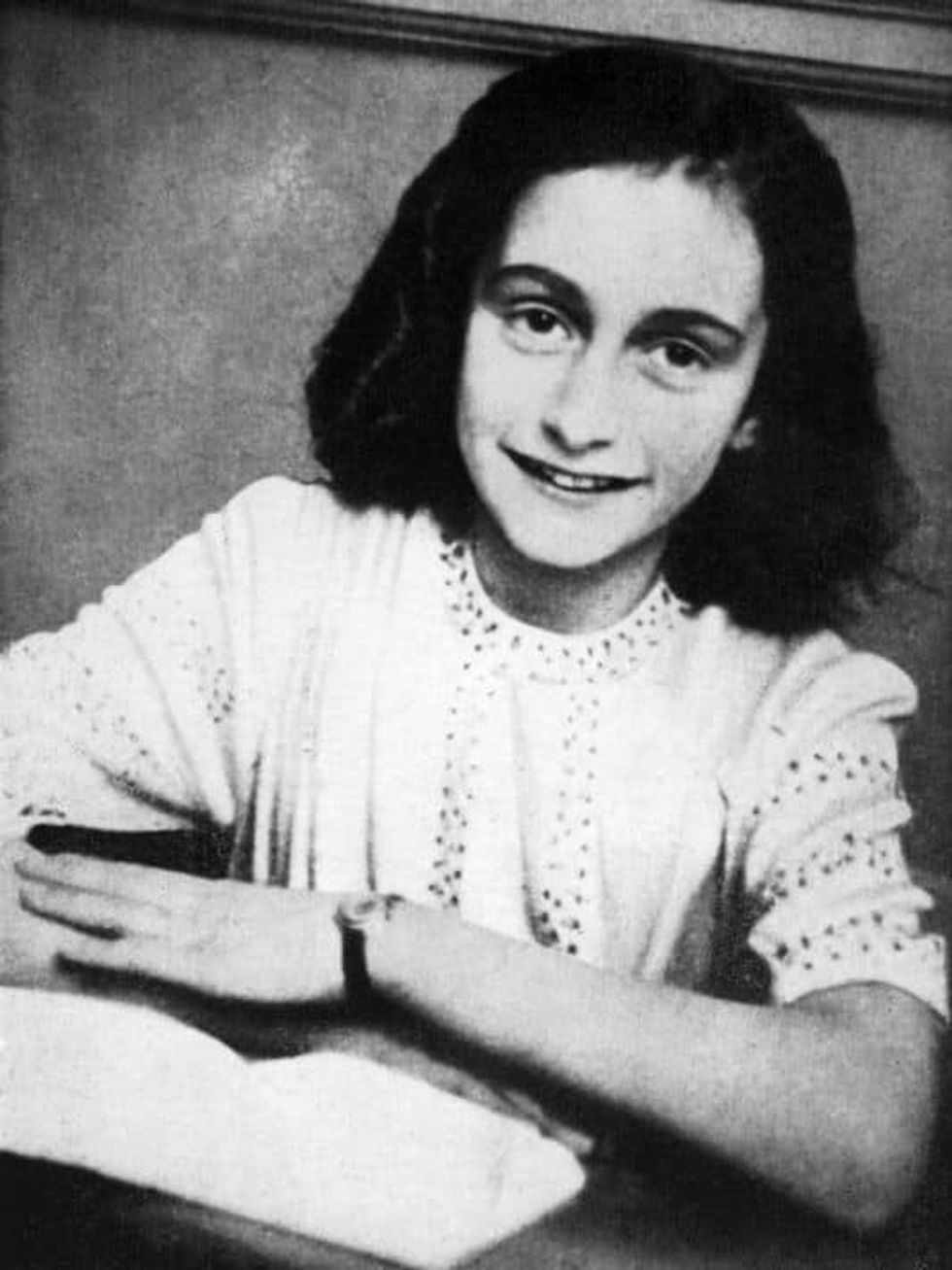
I own three copies of her diary and have read each one many times over. They sit on a shelf in my bedroom for all to see. I refer to them whenever I need a reminder that despite the ugliness, there is beauty in the world. Her story also inspires me to make sure catastrophes like the Holocaust will never happen again. Anne Frank's diary taught me that life is precious, and protecting the lives of all people is important. Educating others about Genocide and Fascism can help to prevent such a tragic and large scale loss of life from ever happening again. Anne Frank's story persuaded me to teach future generations of her legacy. In the words of Anne herself, "How wonderful it is that nobody need wait a single moment before starting to improve the world."














