
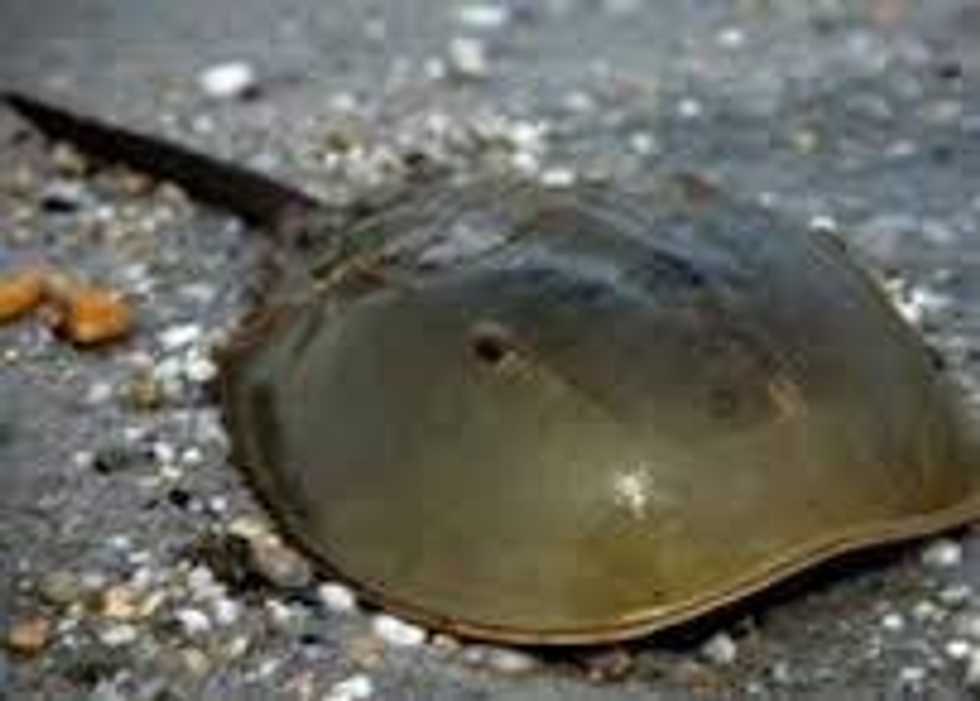
Let's get real, if you come across one of these on the shore you'll freak out. It looks like nothing that the natural world could create or a mutant dinosaur of some sort. As intimidating as they may be, they are virtually harmless and are actually some of the most beneficial medical instruments the world has ever seen.
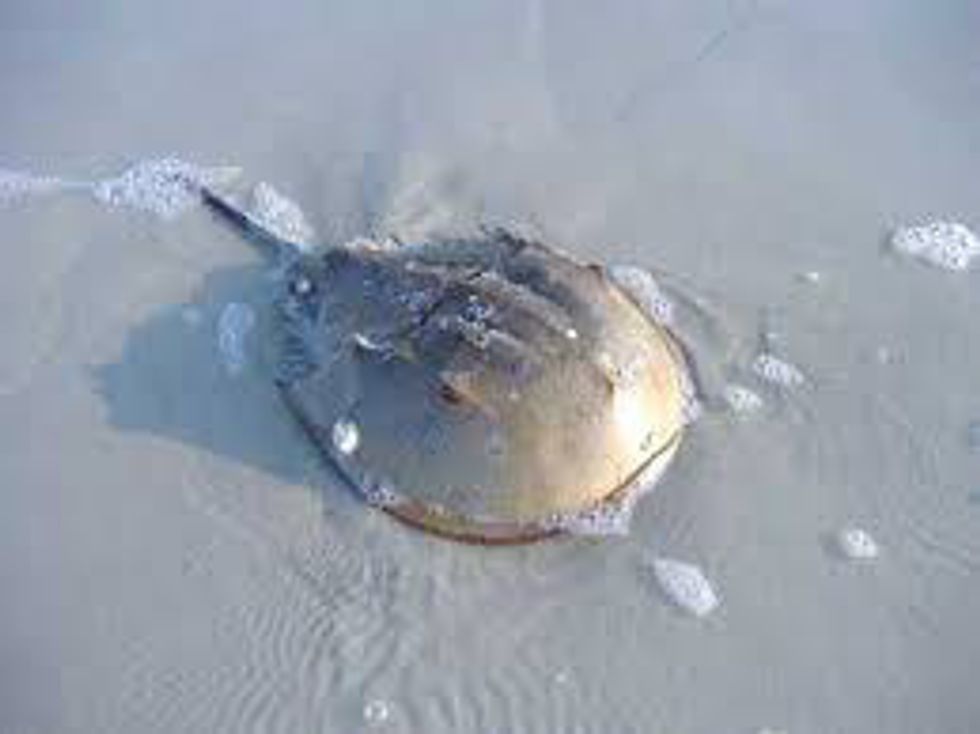
They use amebocytes instead of white blood cells to fight infection. Coagulant of horseshoe crabs (the chemical) works to kill foreign bodies within 45 minutes as opposed to mammals which takes two entire days (iflscience.com).
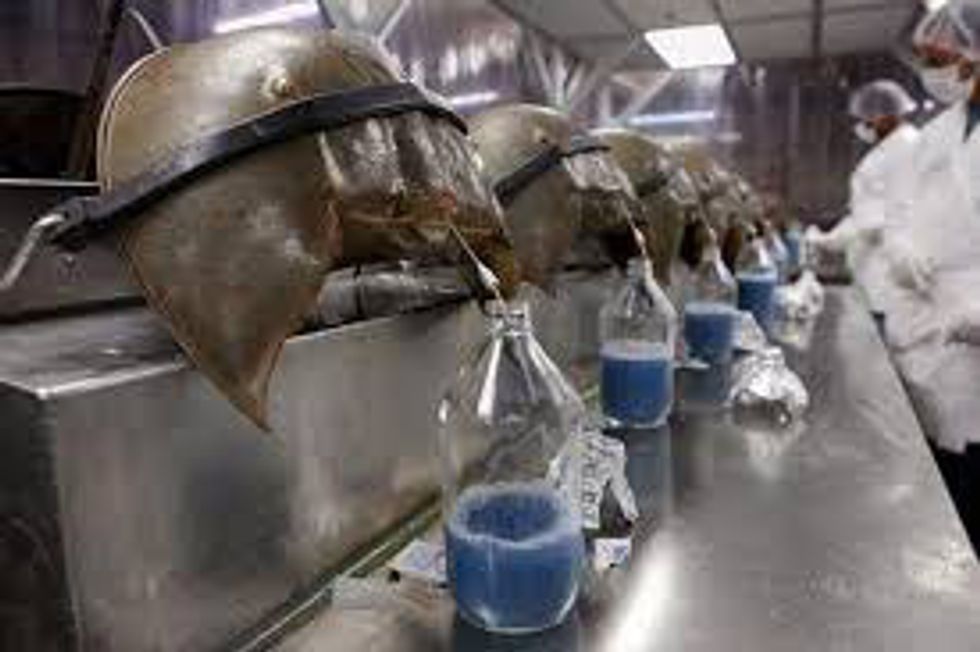
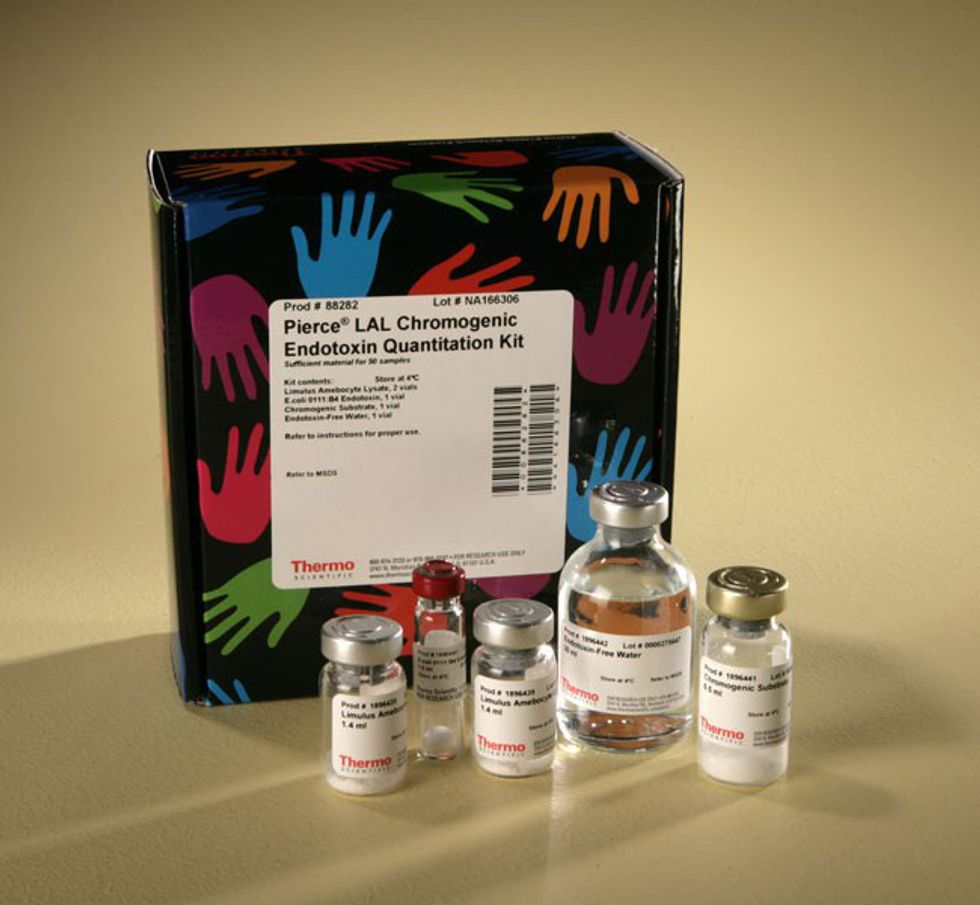
LAL (Limulus amebocyte lysate) is made with the chemicals from it's blood. It is used to detect toxins and other foreign bodies on medical instruments before invasive procedures (i.e. surgery and shots).
Designated facilities will take horseshoe crabs and "bleed" them, in a similar way that a person gives blood. Once a person gives blood, there is a time period where they cannot give blood again. The same goes for horseshoe crabs. Studies have shown that after a 3 month period, the crabs are ready to be returned to the wild at full health.
Unfortunately, the number of Atlantic Horsesho
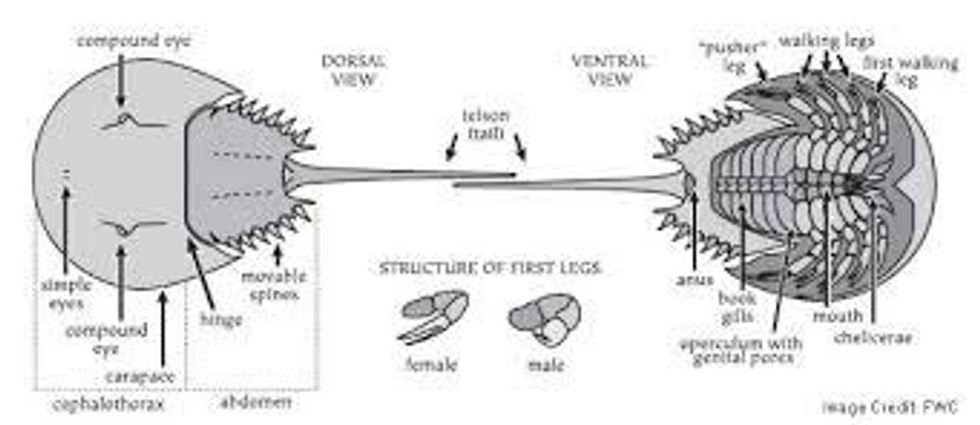
e Crabs has decreased over the past several years. If you see a dry horseshoe crab on the beach, I recommend returning it into the water past the surf. Their gills (underside of the creature) must remain wet in order to exchange oxygen with the environment. Also, if you find a horseshoe crab with a tag on it, please call the number listed! It is vital for population counts and other research! Don't worry, even though they have a lot of creepy legs and claws, they don't bite!
sources: