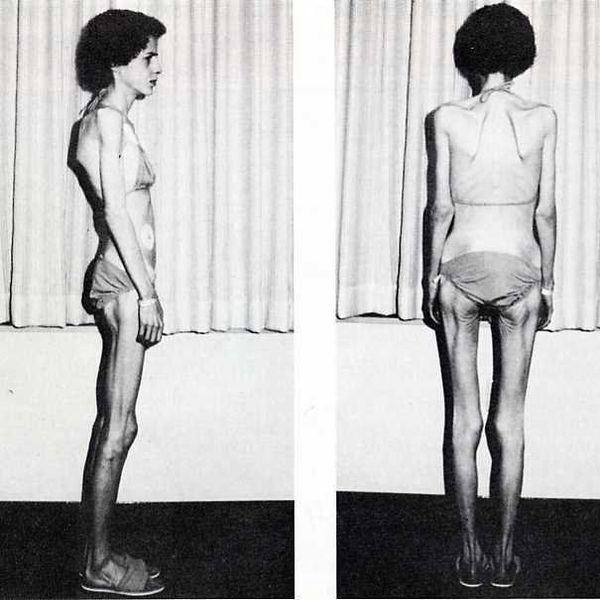

February is National Eating Disorder Awareness Month. Millions of people across the country suffer from eating disorders, but by increasing awareness and access to resources, early detection and intervention can be encouraged to help those afflicted with their recovery. Eating disorders have the highest mortality rate of any mental disorder, and can also be very misunderstood. Here are some "inside facts:"
1. It's not about food.
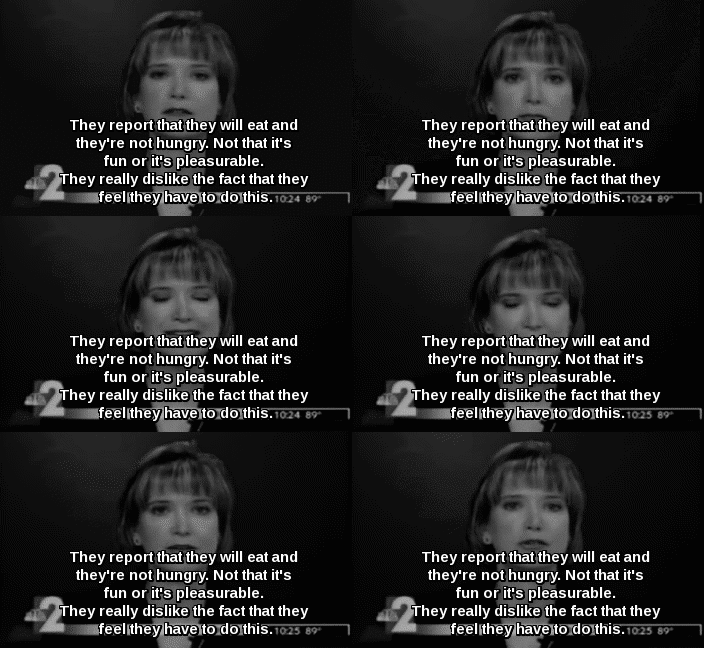
Eating disorders have various classifications of diagnosis, but all deal with disordered eating patterns. That being said, food is usually just a coping mechanism for a deeper issue: most people diagnosed with eating disorders also struggle with depression or anxiety problems as well.
2. Just because someone looks healthy doesn't mean they're okay.
Many people who regularly deal with eating disorders on a daily basis don't necessarily look emaciated, or appear weird at meals.
3. Just because someone doesn't have weird food habits doesn't mean they don't still struggle.
It's a daily conversation between yourself and your "ED" (eating disorder voice) to remember to say, "I have to pack lunch. I have to eat this meal," or calming your anxiety while you food shop or stare at a restaurant menu trying to remember that the ED thoughts don't define your actions.

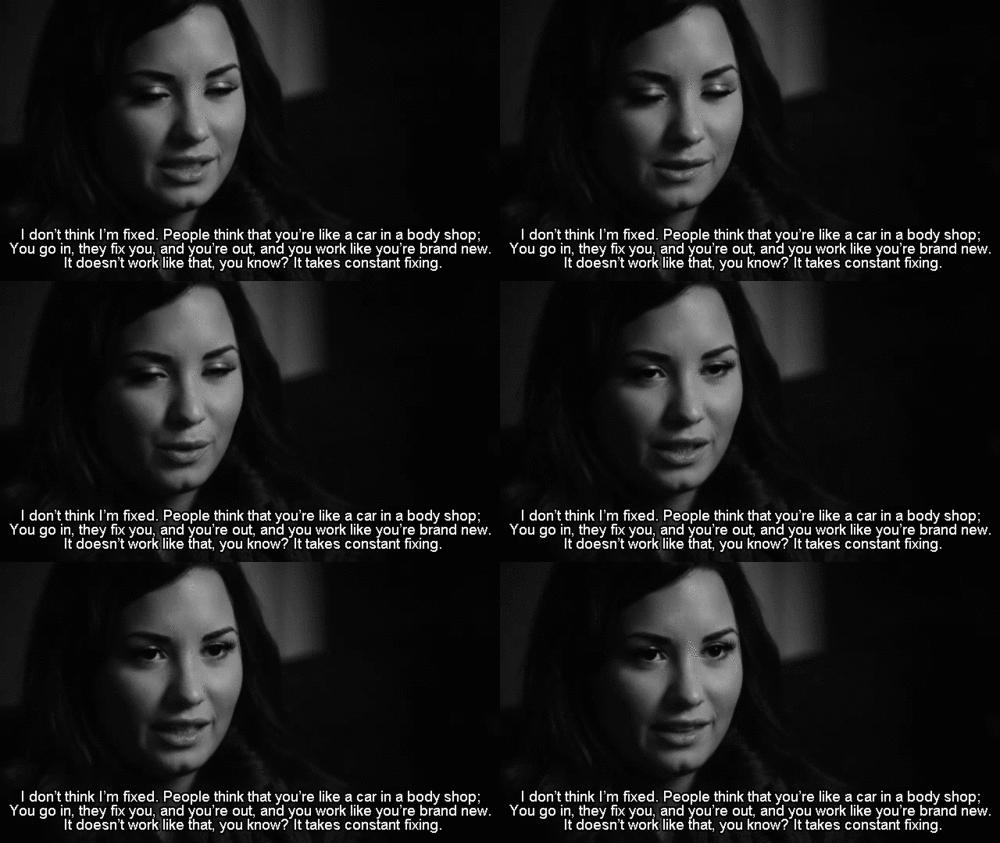
4. Recovery doesn't happen overnight.
Just because someone is back at a normal weight, or out of the hospital or seemingly eating regularly, does not mean they are not still struggling and actively still in recovery.
5. We understand sometimes this disease doesn't make sense.
A really great clinician who specializes in treating eating disorder patients once made the comparison that having an eating disorder is like speaking another language: you can really try to learn it and understand what's going on, but unless you're a "native of that country" (or in this analogy have an eating disorder), you'll never fully be able to understand. All we ask for and need is love and support.
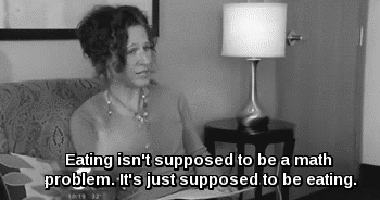
6. There are many eating disorder diagnoses.
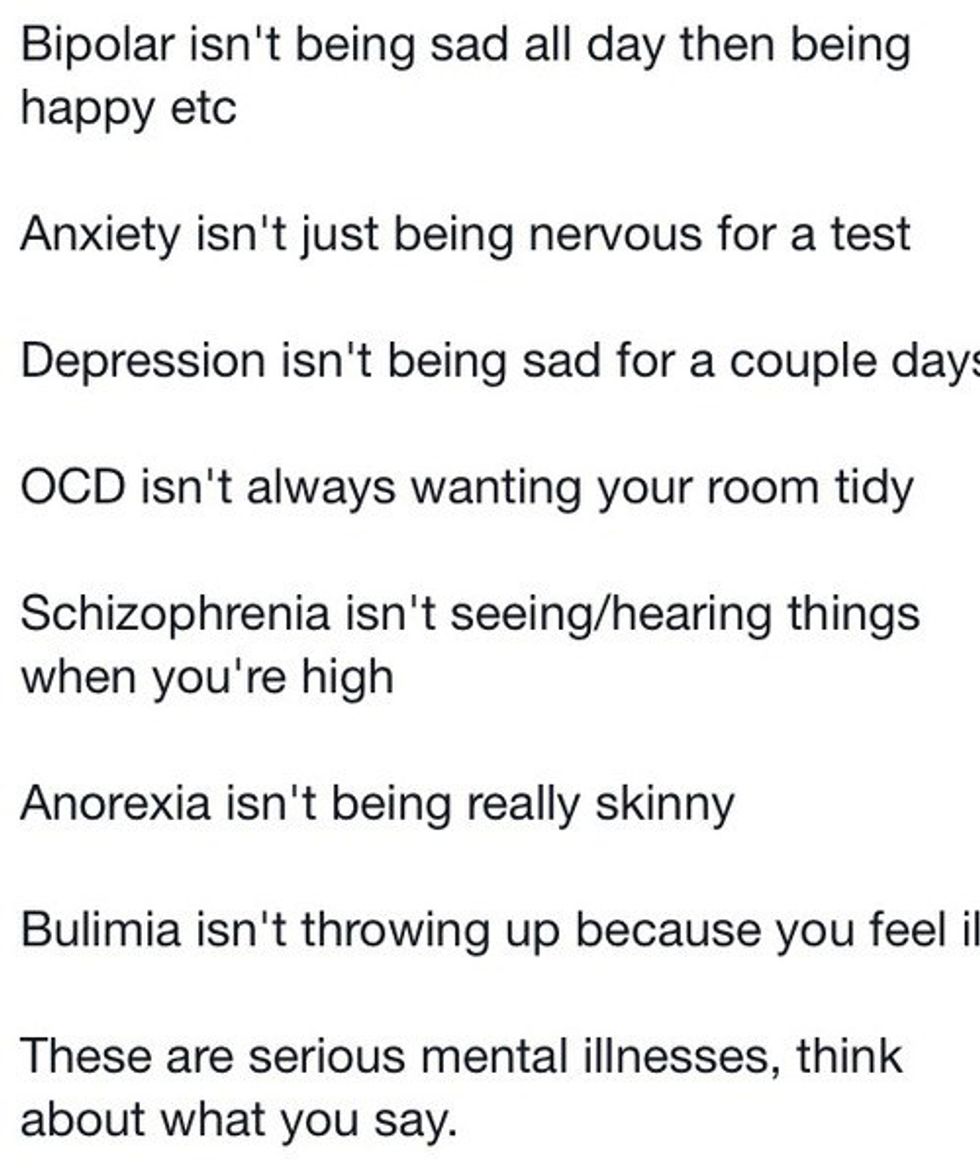
The stereotype of looking like an emaciated skeleton or sticking two fingers down one's throat isn't a qualifier for being someone who struggles with ED. As of 2013, the DSM-V diagnoses include anorexia nervous, bulimia nervous, binge eating disorder, EDNOS (Eating Disorder Not Otherwise Specified) and Unspecified Feeding or Eating Disorder.
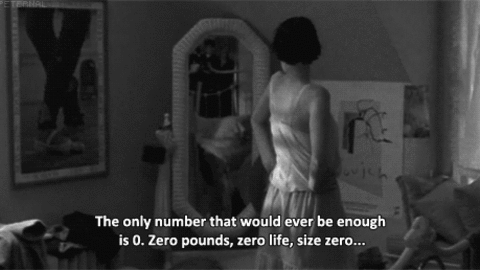
7. ED is never satisfied.
Aside from the very scary and very debilitating physical side effects of eating disorders, a big factor is there's never a point of satisfaction. Without treatment, the reason eating disorders have the highest mortality rate of any mental illness is that ED can never be satisfied: you're never skinny enough, or fit enough, or purged enough, or restricted enough.
8. Jokes can hurt.
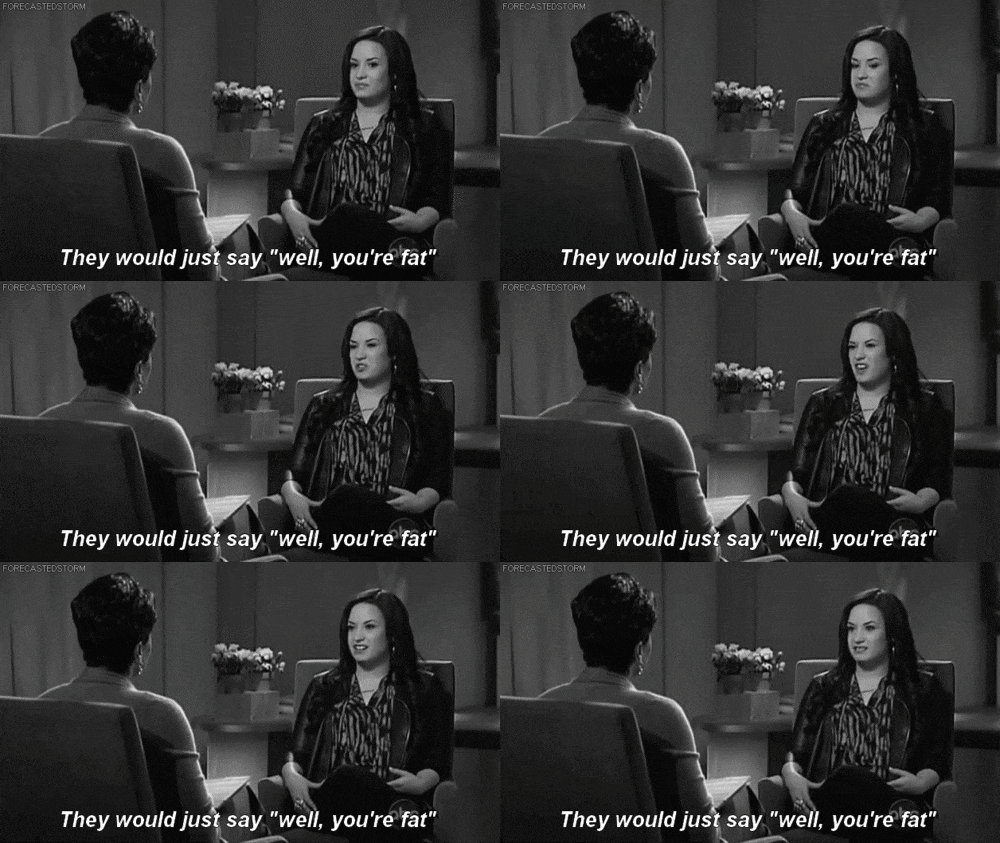
Much like any other type of sensitive social issue, jokes about eating disorders, or making light of them, are offensive and hurtful to those who's lives that been put in actual mortal jeopardy from them.
Comments like, "Oh, you can't have an eating disorder, you're not thin enough" or "I think I'll just go stick my fingers down my throat and throw up my lunch now, I ate too much today" or "I'm going to go on the anorexia diet to lose some weight" are actually really bothersome.

9. It affects guys, too.
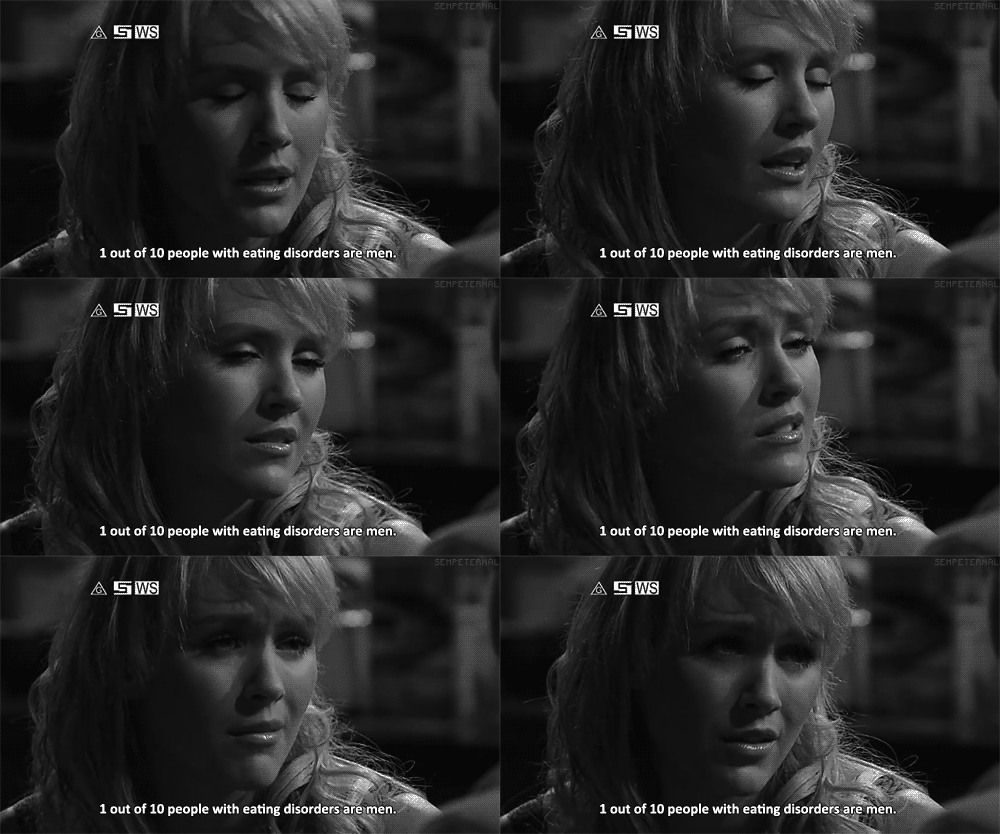
In the United States, 10 million men will suffer from a clinically significant eating disorder at some time in their life, including anorexia nervosa, bulimia nervosa, binge eating disorder or EDNOS. Mortally rates in men are higher than in women, and a diagnosis comes with an increase social stigma because people view EDs as a "women's disease." It's not.
10. Treatment is expensive and difficult.
Many insurance companies put a cap on the amount of time someone can spend in treatment for an eating disorder, limiting recovery time and many facilities don't even accept insurance, making the recovery process difficult and expensive. Increase awareness and a lowering of the social stigma surrounding mental illnesses can help this problem.
11. Many people struggle from a very young age.
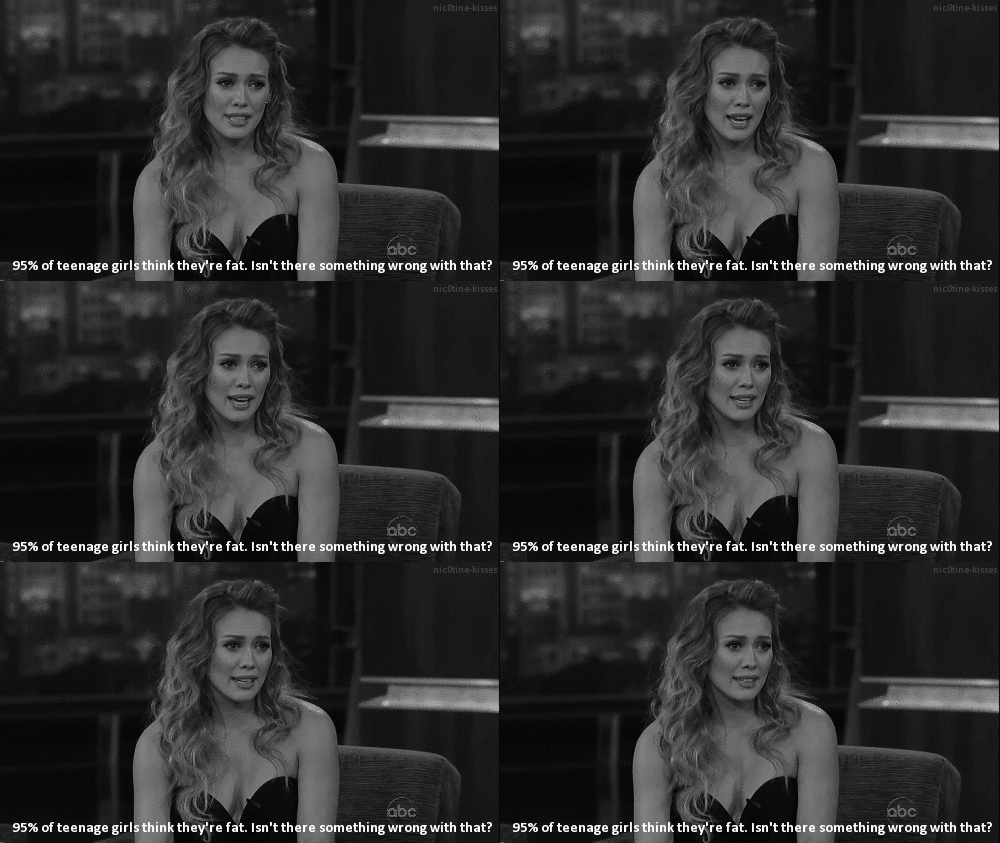
By age six, girls especially start to express concerns about their own weight or shape. 40-60 percent of elementary school girls (ages 6-12) are concerned about their weight or about becoming too fat. Girls as young as nine can be hospitalized for treatment or, if undetected, can severely struggle for decades on end.
12. There are many national resources and helplines.
From blogs to support groups or ED-specified group counseling and therapy, the last 3 decades have proven crucial and helpful for the detection and successful treatment of eating disorders. If you see someone you think may be struggling, reach out and help them. The National Eating Disorder Association (NEDA) has a website chalk full of information, resources, facts, helplines, fundraising ideas and more. If you have questions or concerns about yourself or a loved ones, visit http://www.nationaleatingdisorders.org.
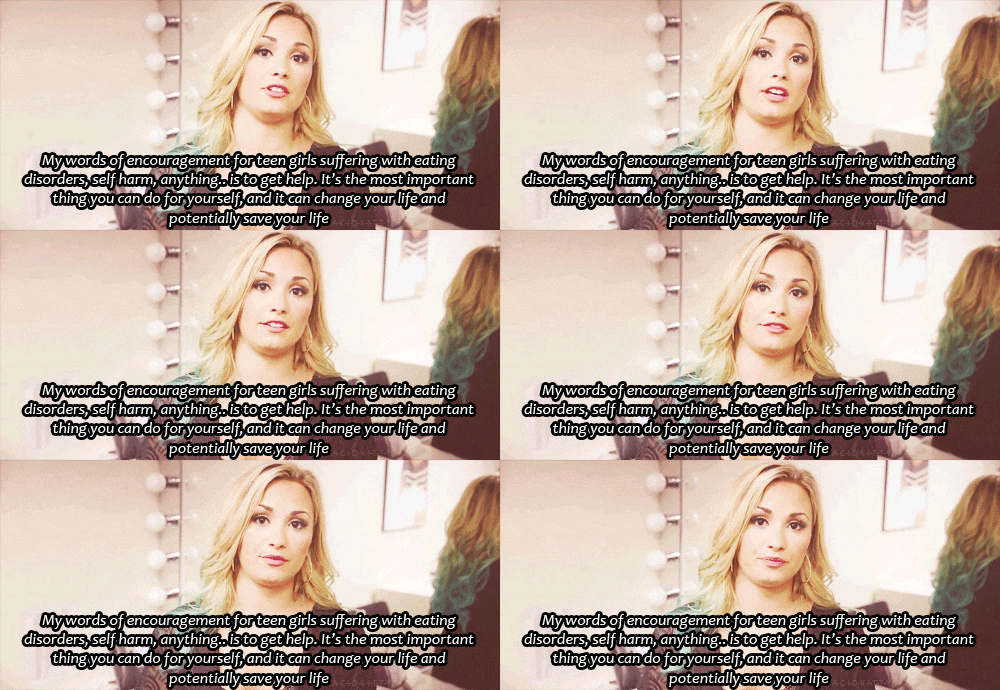
This year's theme, 3 Minutes Can Save a Life, is accurate and true. All it takes is one caring soul and one crucial conversation to aid someone in getting the help they need before the disease progresses. Recovery can be a long, hard, road, and if education and awareness can help aid the next generation, let's do it.