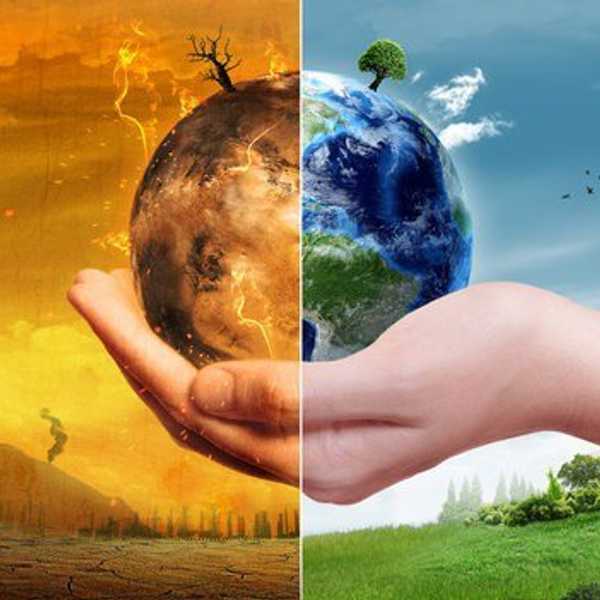

Contrary to popular belief, plant-based eating does not necessarily mean having to completely eliminate all forms of animal products from the diet. A plant-based diet strictly focuses on primarily consuming fruits and vegetables for the betterment of ones health, the justices of the animals and the improvement of the environment. This change in eating habits will foster a healthy heart and blood pressure due to a decrease in harmful components such as fats. It will also promote a less cruel or even cruelty-free lifestyle by lessening the amount of or completely eliminating the consumption of animals. Ultimately, this conversion will indorse a positive change in the environment all around the world by abolishing a significant amount of damaging animal agriculture practices. People should undoubtedly consider adopting a primarily plant-based diet because it has proven to prevent and even reverse chronic disease in some cases, significantly reduce the vast number of animals that are slaughtered each year and decrease the effects of greenhouse gas emissions and habitat destruction momentously.
Consuming fruits and vegetables has been proven to prevent and even reverse chronic diseases and cancer in some cases. Heart disease and hypertension are two of the leading causes of death in The United States, and by consuming a diet laden with produce, you can lessen your chances of being apart of that statistic. As Laura McMullen has noted in the U.S. News and World Report, "Harvard researchers tracked the health habits of about 110,000 people for 14 years and found that the higher folks' intakes of fruits and vegetables, the lower their chances of developing cardiovascular disease” (McMullen 1). More precisely, people who consumed an average of eight or so servings of fruits and vegetables a day were 30 percent less likely to experience a stroke or heart attack in their lifetime. McMullen also reports that a primarily plant-based diet can lower blood pressure, “About 1 in 3 American adults suffers from high blood pressure, meaning they're at higher risk for heart disease and stroke” (McMullen 1). We know that obesity is often a contributing factor to high blood pressure, so by partaking in a diet rich in naturally low-in-fat produce you can avoid the animal products that are chockfull of fats.
Without a doubt, protein is a vital component in a healthy diet and often times people assume that an intake of predominantly plant-based food means less protein. Contrary to popular belief, there are plant and animal proteins and beyond their finer functional characteristics such as amino acids, they essentially provide us with the same amount of nutrients, but animal protein also consists of an array of fats. In fact, animal protein has proven to significantly increase the risk of premature mortality from an array of medical problems. As Dean Ornish from the The New York Times points out, “A study published last March found a 75 percent increase in premature deaths from all causes, and a 400 percent increase in deaths from cancer and Type 2 diabetes, among heavy consumers of animal protein under the age of 65, those who got 20 percent or more of their calories from animal protein” (Ornish 1). Ornish concluded that a plant-based diet and lifestyle changes could reverse progression of even severe coronary heart disease. “Episodes of chest pain decreased by 91 percent after only a few weeks. After five years there were 2.5 times fewer cardiac events. Blood flow to the heart improved by over 300 percent” (Ornish 1). He has determined that eating habits geared towards whole-foods are naturally low in animal protein, refined carbohydrates and unwholesome trans, saturated and hydrogenated fats; in turn, promoting a healthy existence.
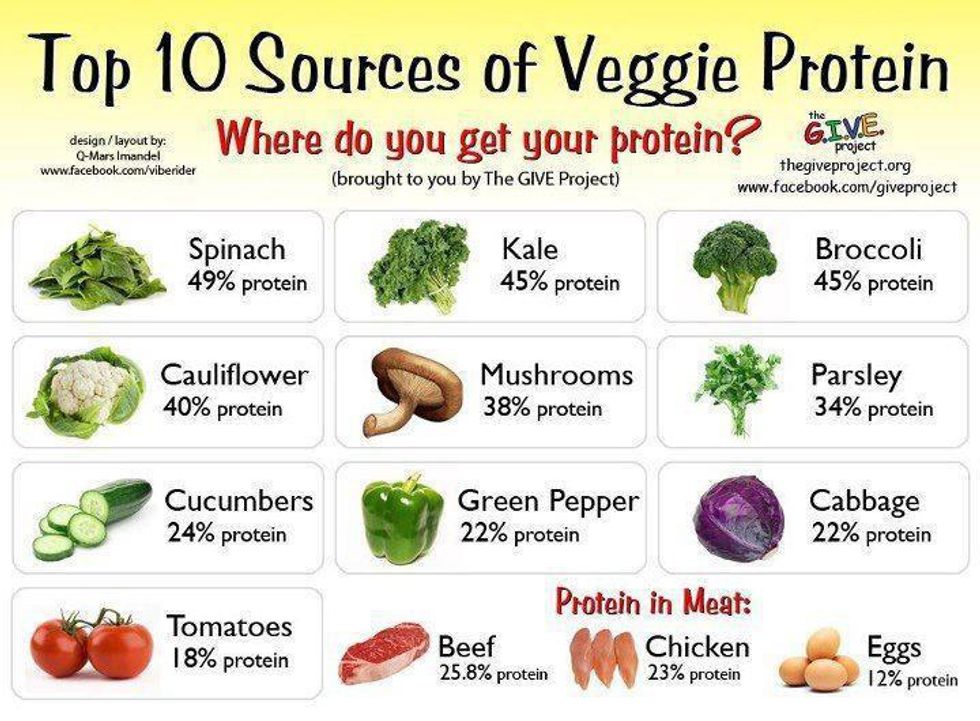
It is undoubtedly concerning that so much of the decline of the environment is a result of animal agriculture. Green house gas emissions are completely devastating habitats and species around the globe as we speak. According to Carol Smith from the United Nations, “Scientists project that if the trend continues, the situation will be worse yet with greenhouse gas emissions up by 80 percent by 2050” (Smith 1). For one, fruits and vegetables have a significantly smaller amount of greenhouse gas admissions compared to animal products. People often don’t realize the tons of carbon dioxide admissions livestock production is accountable for. Smith also articulates that, “While the difference in greenhouse gas emissions for animal-based versus plant-based foods is well known, emissions per gram of protein for beef and lamb are about 250 times those of legumes; pork, chicken, dairy, and fish have much lower emissions” (Smith 1). This information verifies that it is vital to reduce the amount of animal products consumed annually, especially livestock. According to Smith, even seemingly less environmentally damaging meats such as fish, when caught by trawling, which involves dragging fishnets along the ocean floor, can have three times the emissions of fish caught by traditional methods, such as spear, hand and line fishing (Smith 1). So, if you insist on continuing to eat animal products, make conscious choices to decrease your personal carbon footprint. Simple strategies such as purchasing grass fed livestock, seafood that is caught using traditional methods, etc. would make all the difference. Focus on sustaining yourself with ecofriendly produce that, in the process, will nourish your body with purposeful calories.
 While eating a plant-based diet is exceptionally beneficial to the health of humanity, the animals and the planet in general, it certainly isn’t fool proof. There are so many other contributing factors to diminishment in health, animal cruelty and the gradual deterioration of the earth. If plant-based eating were the answer to all of life’s anomalies such as cancer, mercilessness towards animals and global warming, then anyone in their right mind would significantly reduce, if not eliminate, animal products from their diet. Nevertheless, it certainly won’t hurt and moreover will be a constructive modification to at least make a conscious effort to consume primarily produce. In this day in age, the world is constantly changing, becoming more progressive and is uncovering new information. The world is slowly realizing that the most popular food system, or a diet high in animal products, and especially meat is not sustainable in the long term based on health and fossil energy requirements. A meat-based diet requires more energy, land, and water resources than any other animal-product restrictive diet. Do yourself, the cohabitants, and the environment a favor by indulging in as many plant-based, whole foods the planet has to offer. It will thank you.