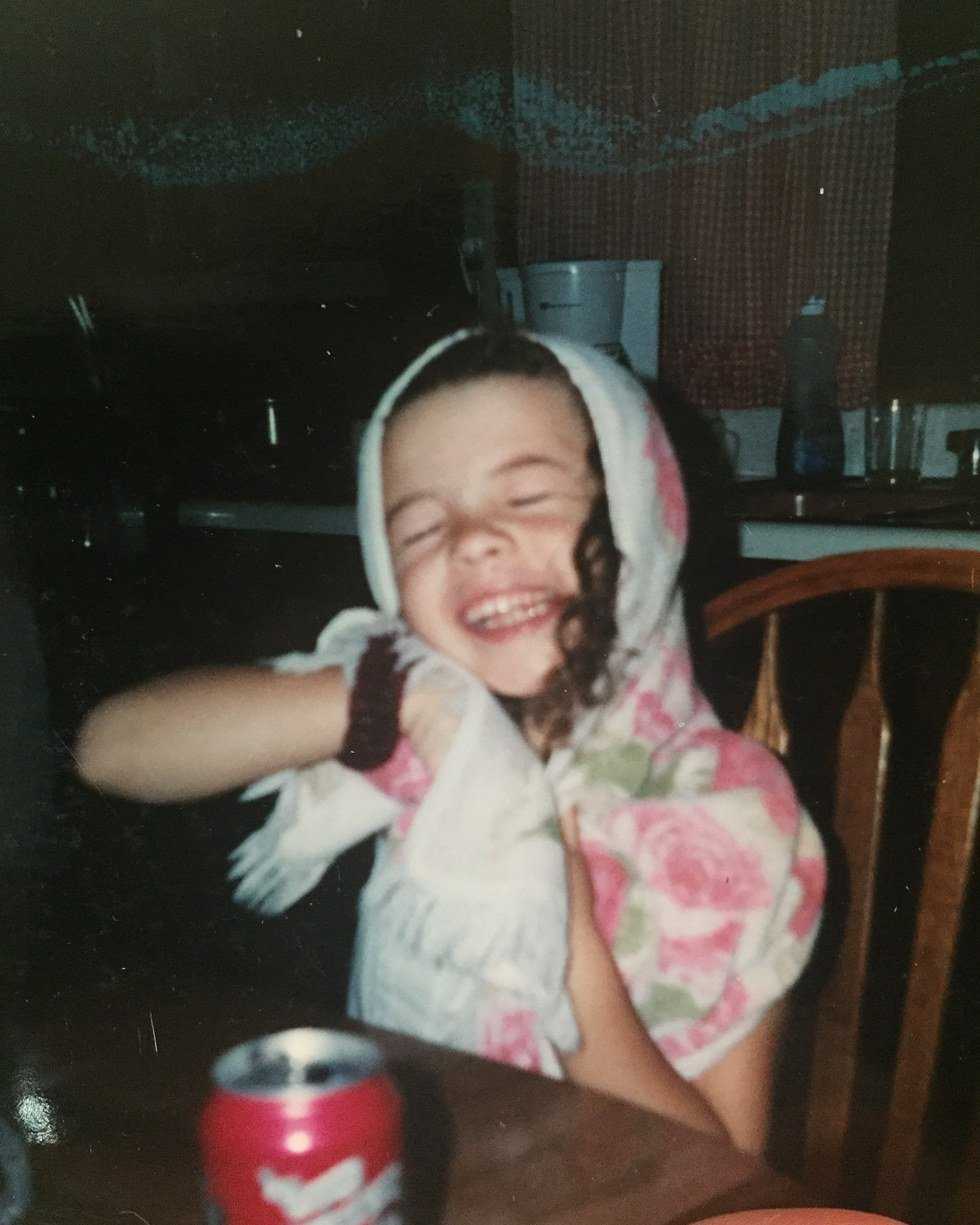
When you come to college, you realize that everyone is different. Everyone has a different background, everyone has a different story. No two people match perfectly regarding where they come from, no two people are alike. It can be a really big cultural shock, in the best kind of way. College is a wonderful place to learn more about where other people originate, and it's a great way to meet and befriend students who are different, or similar to you.
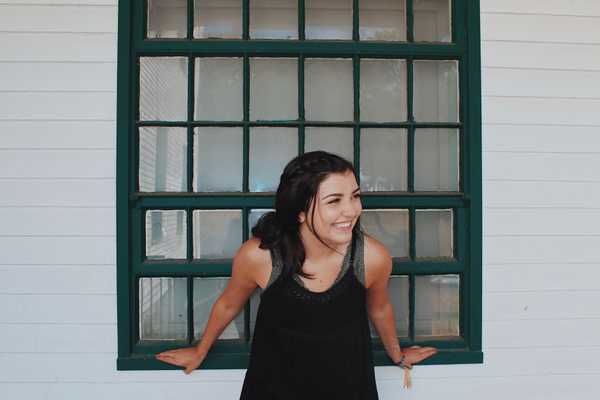
I understood the meaning of diversity at an early age. I am biracial, or "mixed." That is me up there in the picture! My father was white, my mother was black, and I was the product. I did not realize when I was little what it meant to be mixed, I did not see color. I remember during one Christmas when I was 6 or 7, my mother got me a black Barbie doll and told me that it was important that I knew both sides of my race were beautiful. At the time I was so young, I didn't see why she felt the need to tell me so, but now that I'm 21 and have come to love and understand my racial background, I see why she bought that doll.
I have very curly, very thick hair. Although I normally keep it dyed black, it's actual color is a deep chocolate brown. It is the only thing that sets me apart from being considered one race, because my skin is only slightly tanner year-round than every else's, and I don't think I have any significant facial features that allow people to say "She's ____, you can tell by her eyes, nose, mouth, etc." The reason I have focused in on my hair as the main aspect of being mixed is because of that very fact: it is what most clearly labels me as different, as "other."
When I was little, I could not style my own hair. I didn't understand how because of how much of it there was! It was wild and crazy and my grandma always did it for me on Saturdays. I hated my hair then. My grandmother did not. She kept it braided in two long plaits and that was that, but she always told me that I would appreciate it one day. I can still remember how much I would cry; I was very tender headed at that age and it took at least an hour to comb my hair out because I would scream so much (I was ridiculous. I promise it only takes 2 minutes now. I'm a pro.) I did eventually learn how to take care of it, although about two years ago for some reason I started straightening it and only stopped this week in an attempt to get back in touch with my biracial roots.
I would go to school as a child and not really know where I fit in at times. Sometimes people would say things like "You're too white for this," or "You're just not black enough for that," or "You're the whitest mixed girl I've ever met." These things used to hurt every time I would hear them. I was raised in a Caucasian household. I didn't know what it meant to "act more white than black" as a mixed person. I didn't know how my peers seemed to know more about my race than I did.
I have dealt with males saying disgusting things to me because of my appearance, whether it be sexual innuendos that insinuate I can offer them something white or black girls can't, or just plain old name calling. I remember once in middle school, a boy called me a "half-breed." This is a derogatory term for someone of two or more races and it insinuates that I am less of a person simply because I am not entirely one race or the other. The boy was overheard by a teacher (who also happened to be African American) and he was expelled. I never saw him again...and no one ever said anything so hateful to me again, either.
I have three siblings. Two are mixed, just like me, and one is African American. I was not raised with them, so every time that I do get to see them, I am astounded by just how much we resemble each other. I am the only one out of four children who got thick, curly hair. My older sister has freckles and wavy red hair. My brother has straight black hair. My little sister has beautiful ebony skin. We are all beautiful. We all dealt with struggles growing up, struggles that are not meant to happen to anyone, child or adult, because of race.
As I grew older, I was singled out less for my race and actually accepted more because of it. My appearance is unique. It is what makes me different. I learned to do my hair in high school and embraced it's fullness, its bounciness. I was constantly receiving compliments on it and these are what helped me to understand and appreciate (just like my grandmother had said I would!) my hair. Just the other day I went to work with my hair natural and so many people were shocked and surprised, but they loved it. No one had anything derogatory or negative to say because they knew that it was me, my hair represents a part of me that I don't ever want to be ignored or traded in.
Society has taught people that it is not okay to be different, when in reality, being different is so incredibly desired that people have had surgeries and alternations done to make themselves resemble a person of another race. There is a stigma about mixed-race individuals -- that they received the 'best of both races,' whether it be white and black like me or Asian and white, Cambodian and black, etc. I don't believe this stigma.
NO RACE IS MORE BEAUTIFUL THAN ANY OTHER. If you are of one nationality or sixteen, it does not matter. You are still as miraculous and incredible as anyone else. I wish that I had known this at a younger age because it would have saved me a lot of heartache over not understanding who I was or who I would become.
I am proud of my heritage. I have been accused before that I am not so. This is not true. I LOVE who I am, my appearance, and where I come from. I have embraced my skin, my hair, my face, my body. I grew up with mixed feelings about being biracial (pun so intended), and now I have become a young woman who understands and respects her own ethnicity, as well as the many ethnicities of others.
If you are a biracial individual, LEARN THAT IT IS WONDERFUL! It sets you apart in a way that only other biracial people will understand, but it makes you unique, and you should love every inch of yourself.
We all bleed the same color, no matter what race, or races, we identify with.