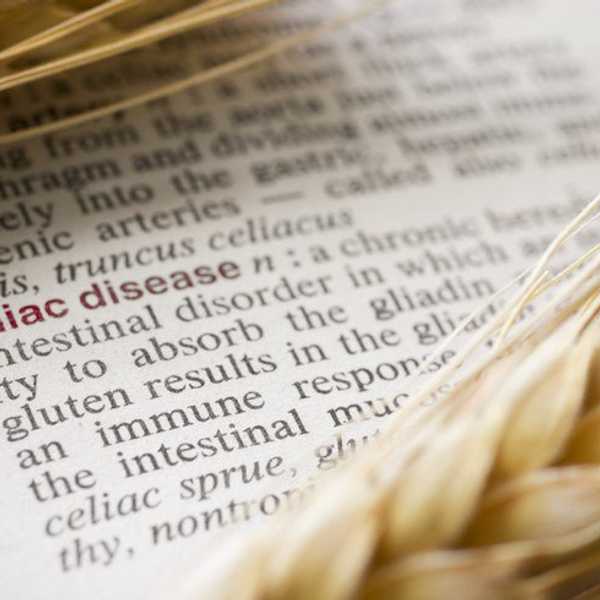

Some think being gluten-free is just another hipster California trend, but many of us actually have a real allergy.
For us, our bodies can’t digest gluten because… well, genetics. It’s just like diabetes or heart disease. It’s an illness we cannot control, and one we didn’t ask for. And while some of us may self-diagnose -- just like people do with any illness -- there exist a number of us who have been diagnosed by professional doctors.
Let me ask you this: People take peanut allergies seriously, so why is gluten treated like such a joke? For one, nut allergies are often assumed to be a life-or-death situation. The allergy is associated with the image of young kids choking and having their throats close up. In comparison, the symptoms after eating gluten tend to take place behind the scenes. The fact is that it’s hard to believe what we can’t see.
“What happens when you eat gluten?” Well-meaning friends and curious strangers alike always ask this question. I wish they wouldn’t. Personally, I’ve grown tired of answering this question only for people to doubt the accuracy of what I’ve said.
Because I know they actually care about me, I try to be positive about it. I simplify my answer and tell them that avoiding it is pretty awesome because it keeps my depression and anxiety at bay. (The real answer is an endless list of symptoms that is always changing. And it would ruin the pleasantries of the “chill” hangout we’re all used to.) But they can’t seem to believe that eating something as *innocent* as bread could make me depressed. After all, it’s just bread, right? The thing is, it’s not just depression, and it’s not just bread.

Did you know that ADHD is a common symptom of celiac disease? So is fatigue, stunted growth, seizures, anemia, skin rashes (dermatitis herpetiformis if you want to be exact), recurring miscarriages, arthritis -- the list goes on and on. All of this information comes straight from the Celiac Disease Foundation.
So the answer to your question is endless, and it really varies from one person to another. I can’t answer the question for everyone with the illness.
That being said, you might wonder what your role in all this is. “That’s really tough,” people will offer sympathetically. But then they walk away because it’s just so awkward talking about it. Besides, they have their own issues to deal with, and that’s legitimate too.
I am not asking you to swoop in and save the day, take me by the hand, and feed me gluten-free food one spoonful at a time. But I am asking you to believe me after I’ve spent countless hours at the doctor (not to mention lots of money), researched it over and over again, and scoured the grocery store one aisle at a time in the hopes of finding one item I can eat for dinner that day.
I also ask -- and this is a big one -- that you don’t question why I’m not sure what I can eat. At some point, all of us are new to this and we’re still figuring it out too. If you know I can’t eat it, it’s cool to point it out to me. I’ll probably say thank you. But don’t judge me because I have to whip out my phone and do a little research at the table. The first few months are especially hard, as I adjust to figuring out which foods I can eat, both at home and out with friends.
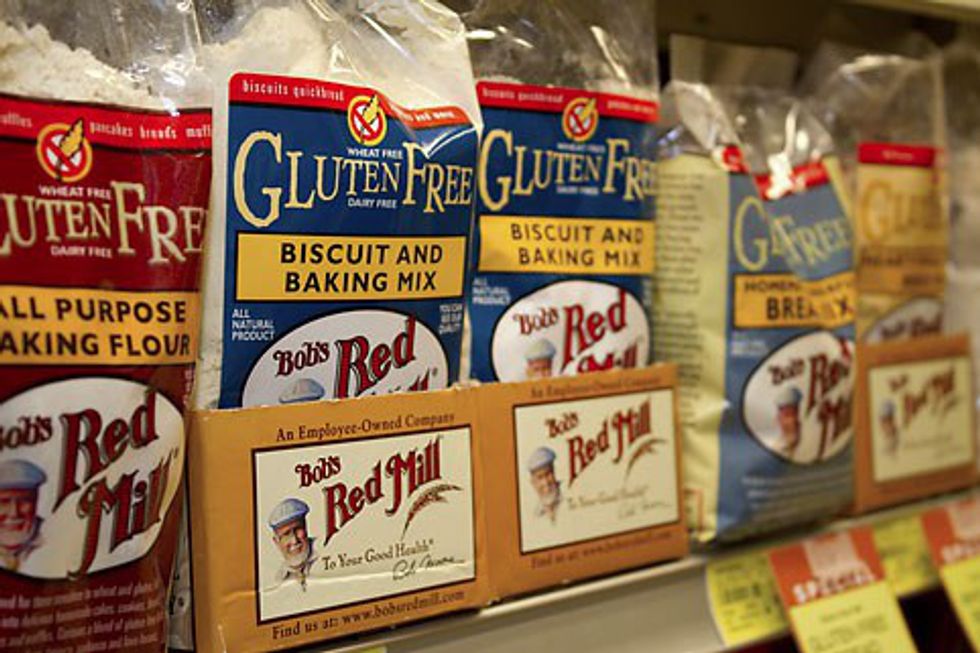
Gluten is mostly associated with bread, but it also sneaks its way into soups, salad dressings, and even sushi. Yup, the good ol’ Cali roll is off the menu. The American palate, specifically, has gotten into the habit of adding gluten to everything. That’s because it’s just like a glue for ingredients: it keeps foods like cake from falling apart into a crumbly mess. (The word gluten has the sound “glue” in it, so it’s easy to remember this way.) Other cuisines like Asian food also include gluten in the way of soy sauce, rice vinegar, and mustard.
When eating with friends, just be honest about the choices. If you know for a fact there won’t be gluten-free options, don’t suggest otherwise. Chances are your friend will be understanding and eat something beforehand. Or they’ll politely decline and wait for another non-food-related hangout. They’re a big kid. They can fend for themselves. But just be honest with them. And don’t try to feed them gluten because “it’s just a little bit.”
Honestly, one of the best things you can do is do some research on your own time. Nothing fancy, but just a little Google search makes all the difference. If you recognize that gluten equals more than white bread, you’ll already be leagues ahead of other people.