It’s been a long time coming.
The race to see who would become the Democratic nominee for the 2016 presidential election was close from beginning to end; candidates Bernie Sanders and Hillary Clinton traded off primary victories from state to state, keeping the competition unpredictable until the very end.
It’s no secret that I was holding out for Sanders to win the election; I helped campaign on my campus, I went to the rally he held in my city and I used my voice through the Odyssey to talk about his platform.
You can imagine my disappointment when I, along with hundreds of thousands of other Democratic voters who backed Sanders, we found out that Clinton was the inevitable party nominee after a sweeping victory in the final round of primaries.
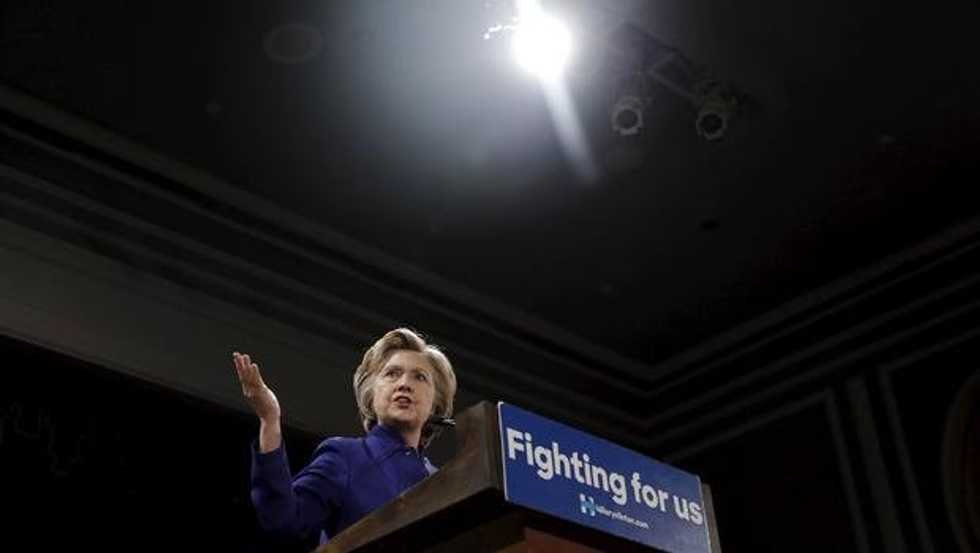
I just don’t think, despite her campaign slogan, that we are “Ready for Hillary.”
It’s not that I can’t appreciate a historic moment, and it’s certainly not because Clinton is a woman; I’m sure one day in the future, I’ll be able to use this moment as a way to encourage the next generation of female leaders and say, “You can be anything you want to be.” And that is truly incredible.
However, I’m concerned about her as a leader. I’m concerned with the inconsistencies in her statements. I’m concerned with her tendency to pander to what she believes voters want rather than sticking to a set of core beliefs. I’m concerned with her past actions as a government official.
At the end of the day, though, she is our best-case scenario. We are about to enter the campaign for the general election, and we, as the Democratic party of the United States, have to be united now more than ever.
Among Sanders’ supporters, there’s a lot of talk about what to do if/when he doesn’t receive the official nomination. Some are urging him to run independently, some are arguing for us all to write his name in and others have jumped ship completely and pledged their November vote to Donald Trump.
Pro tip: Don’t do any of those things.
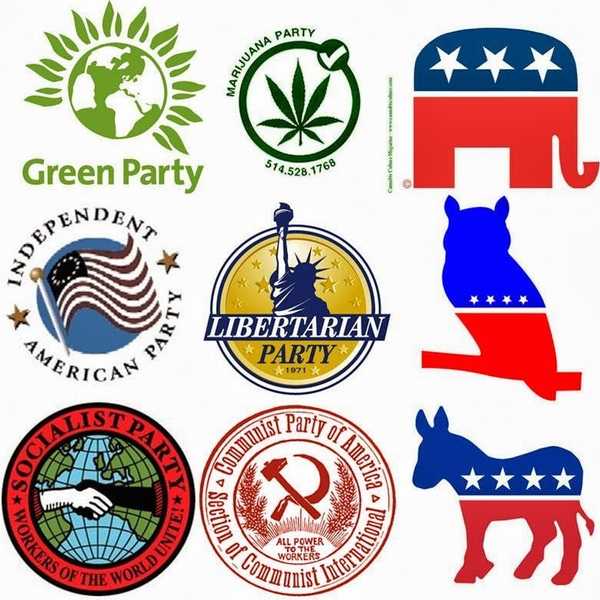
The government of the United States of America relies heavily on its two-party system. And, no offense, but it kind of sucks. A lot. We’ve created a political culture in which people will vote for anyone, regardless of their policies or values, because that candidate’s name is tied to the party on their voter registration card (read: Donald Trump). As members of what is supposed to be one of the best free nations in the world, we deserve a system in which third parties or independent candidates who more accurately represent our wants as a country have a chance in winning a general election.
However, that takes time, and we’re not there yet.
Writing in Sanders’ name on a ballot, voting for him as an independent candidate, voting for a third party candidate or not voting at all is basically just giving votes to Trump. I don’t know about you, but when it boils down to it, I’d rather pick the lesser of the two evils. Clinton may be a lot of things, but an openly xenophobic, sexist, racist reality television star with seemingly no concept of how political policy works is not one of them.
If you’re a Sanders supporter and the idea of voting for Clinton is conflicting for you, don’t forget that the general election doesn’t just elect the president. Our government is made up of a system of checks and balances, so the people you vote into Congress are hugely important. Request an absentee ballot so you can fully research each candidate before casting your vote; there are representatives running who are interested in carrying Sanders’ values and policies into actions. Let’s elect them.
When it comes down to it, our presidential elections are nearly the farthest thing from perfect. However, if we understand how the system works and how our votes affect it over time, we can make educated decisions that will have long-term, positive effects.