
“Be patient.” If you’re anything like me, you hate to hear these words, even from family and friends. Whether it is the end of something unpleasant or the anticipated result of hard work, we like results, and we like them now. The American culture has been structured around instant gratification, from fast food to fast internet speeds to fast shipping, so waiting seems even more unpleasant. Why wait when we can get it now?
There’s something to be said about living in the moment. It’s tempting for us to imagine and plan for the future, to imagine what it would be like to have all dreams fulfilled. While thinking about the future is prudent, obsessing about it steals the value of today. Even if each day itself isn’t very spectacular, we should be grateful for the little things we have, like food, water, shelter, and warm clothes. Many of us are so privileged that it never occurred to us how different our lives would be if we had to struggle for basic needs. These little necessities are overlooked if our projections of the future are fixated on the next biggest accomplishment, moment, or purchase.
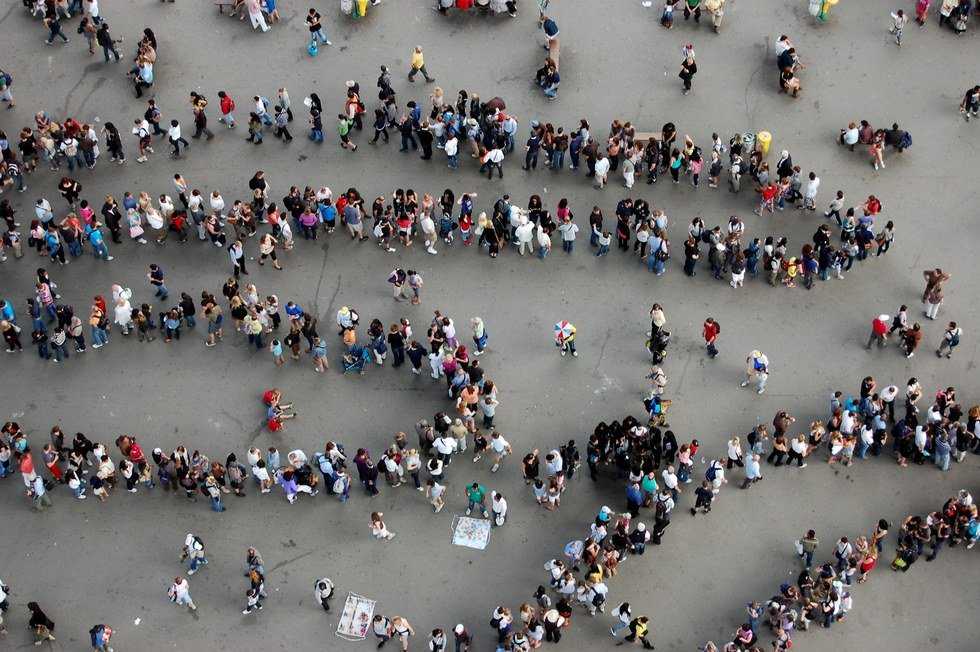
Patience can also be a character builder. How many times have we waited in line and muttered bitterly because it wasn’t moving as quickly as we’d like? How many times have we accidentally run through a red light because we didn’t want to wait the extra couple minutes? These are simple, everyday examples, but both have their root in selfishness— we believe our everyday circumstances should reflect how valuable we perceive our time to be. Add in a planet with billions of people thinking the same way, and there arises a problem.
If our time is too precious to spare in moments we are forced to wait, why would we voluntarily give time away to help others when there are innumerable other things we could be doing? By stepping back and acknowledging that others’ time is just as important as our own, we are able to see when and where we can help, by donating a minute here and an hour there. We are more forgiving when others stand us up for plans (a personal challenge, I admit), forget to return things, or generally cause us distress. Taking responsibility for such actions instead of blaming it on being “too busy” improves our relationships with those we care about, and helps to empathize instead of antagonize.
Patience is not easy, but it can help us be more mindful and better relate to others. It’s so common for us to complain when things don’t go our way, and to put ourselves and our time at the forefront of our concerns. The present can seem dull compared to our big goals for the future, and so we are blind to what we already have. When we remind ourselves the value of waiting, we can see our lives for what they are: presently meaningful and full of future possibilities.